Toggle light / dark theme

Scientists transport protons in truck, paving way for antimatter delivery

The BASE experiment aims to answer this question by precisely measuring the properties of antiprotons, such as their intrinsic magnetic moment, and then comparing these measurements with those taken with protons. However, the precision the experiment can achieve is limited by its location.

“The accelerator equipment in the AD hall generates magnetic field fluctuations that limit how far we can push our precision measurements,” said BASE spokesperson Stefan Ulmer. “If we want to get an even deeper understanding of the fundamental properties of antiprotons, we need to move out.”

This is where BASE-STEP comes in. The goal is to trap antiprotons and then transfer them to a facility where scientists can study them with a greater precision. To be able to do this, they need a device that is small enough to be loaded onto a truck and can resist the bumps and vibrations that are inevitable during ground transport.

Solving computationally hard problems with 3D integrated photonics

As technology advances, the limitations of conventional electronic computers are becoming increasingly apparent, especially when tackling complex computational challenges. NP-complete problems, which grow exponentially with size, represent some of the toughest puzzles in computer science. These issues have significant implications across various fields, including biomedicine, transportation, and manufacturing. In the quest for more effective…

Not Toyota, not Hyundai: This brand unveils the real hydrogen engine with an unexpected detail

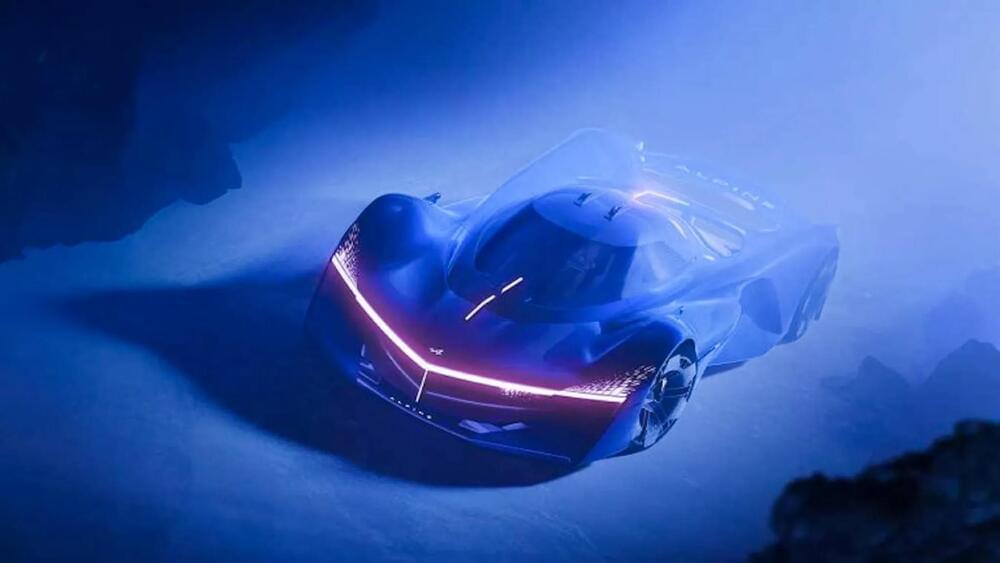
In a bold move towards sustainability in the automotive industry, Alpine has introduced its new V6 hydrogen engine. The engine is a groundbreaking development that merges high-performance engineering with eco-friendly technology. This innovative engine represents a significant leap for the French automotive brand, showcasing its commitment to advancing hydrogen as a viable fuel alternative in the world of motorsport and beyond.

While Japanese automobile company Toyota continues to be leading the hydrogen revolution, other automobile companies are following closely behind. While some have placed all their bets on electric vehicles being the future of sustainable engines, others are looking at ways to continue producing the internal combustion engine. The answer may be found in hydrogen technology whereby traditional internal combustion engines can be adapted to support the alternative fuel source.

Alpine previously introduced a hydrogen powered car in 2022. Now, the newer model is twice as powerful as the last. The car features a 3.5-litre, twin-turbo V6 engine. It produces a power output of 740bhp, and can reach up to 9,000rpm with 770 Nm of torque. The two hydrogen engines are located in the sidepods and behind the cockpit. The model has been in the works for two years and is a testament to Alpine’s continued dedication towards sustainability.

New Design Overcomes Key Barrier to Safer, More Efficient EV Batteries

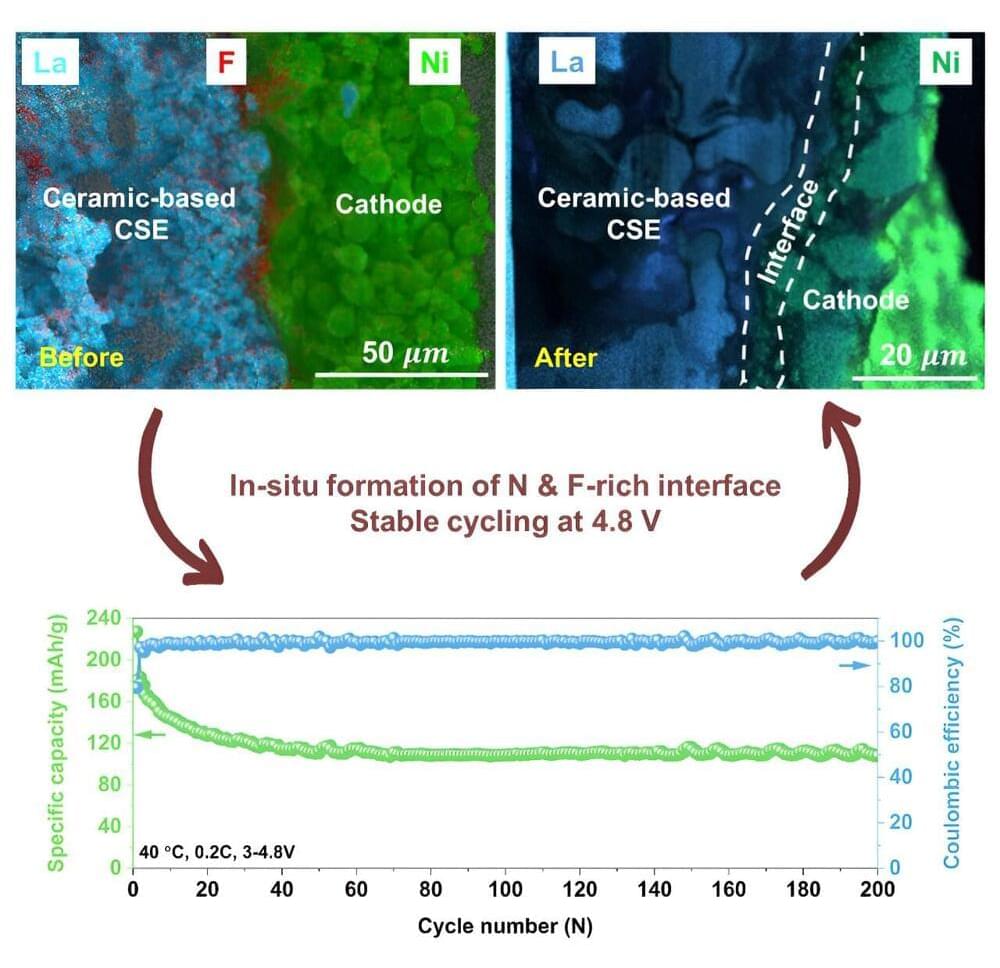
Researchers at McGill University have made a significant advance in the development of all-solid-state lithium batteries, which are being pursued as the next step in electric vehicle (EV) battery technology.

By addressing a long-standing issue with battery performance, this innovation could pave the way for safer, longer-lasting EVs. The findings are published in the journal Cell Reports Physical Science.

The challenge lies in the resistance that occurs where the ceramic electrolyte meets the electrodes. This makes the battery less efficient and reduces how much energy it can deliver. The research team has discovered that creating a porous ceramic membrane, instead of the traditional dense plate, and filling it with a small amount of polymer can resolve this issue.

/* */