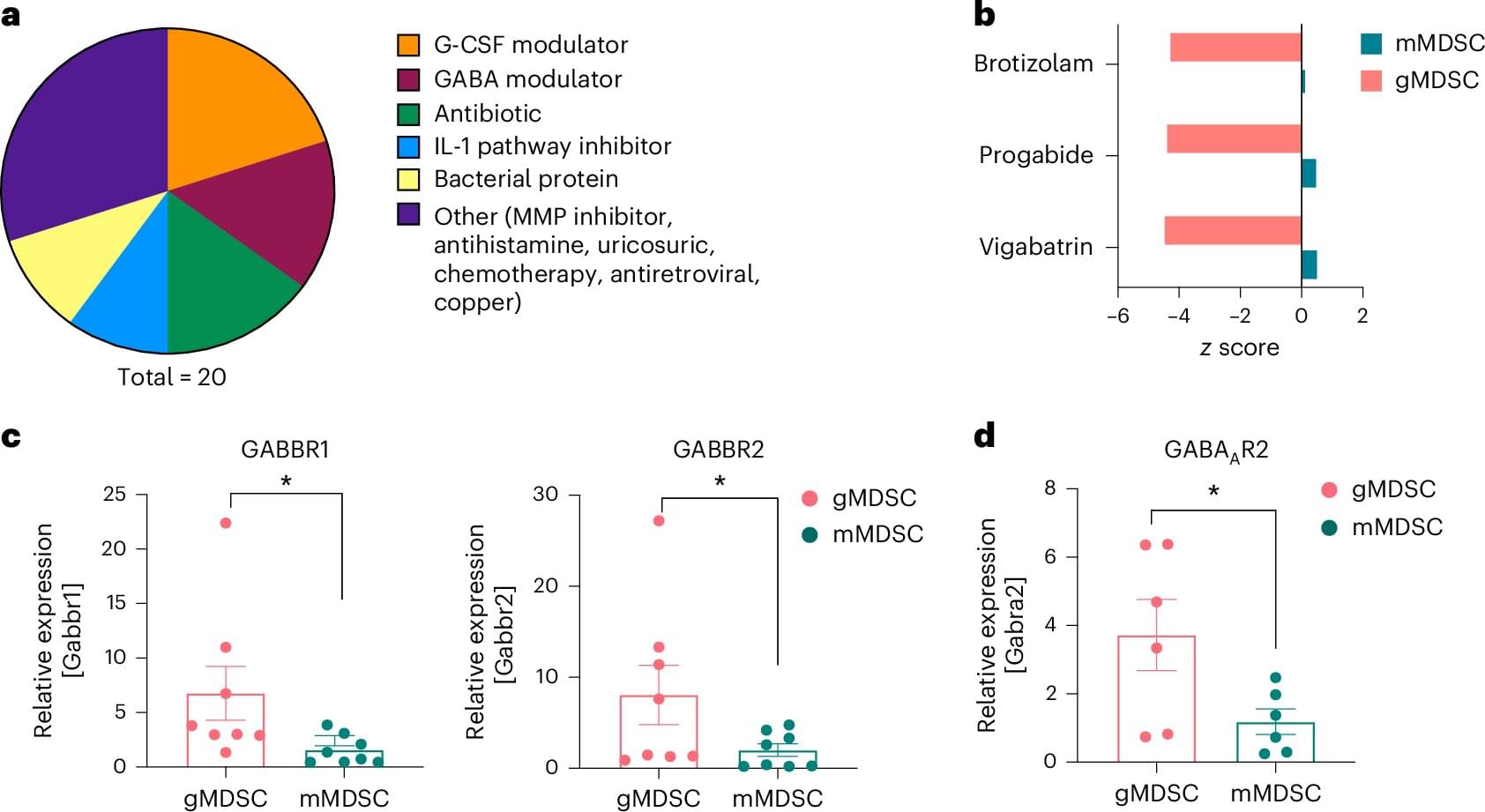
Researchers have identified a critical biological difference in how glioblastoma develops in male and female laboratory models, pinpointing an immune pathway that fuels tumor growth only in females. The study shows that the neurotransmitter GABA boosts the cancer-protecting activity of immune cells in female models—but not male models—and that blocking that signal improved outcomes. The findings could one day lead to new drug targets and therapeutics specifically for women. The paper is published in the journal Nature Cancer.
Men and women experience many diseases very differently. Certain diseases present more commonly in one sex than in the other, some conditions may cause different symptoms in men and women, and some treatments work better—or not at all—for one sex over the other.
Cancer is no exception. There are major differences in male and female immune systems, and this system is critical both for cancer growth and for successfully becoming cancer-free. For example, some immunotherapies work better in men than in women, and vice versa.