Computing ecosystems are changing dramatically. AI, quantum computing, exascale supercomputers, biological DNA, chemical and neuromorphic technologies will change the world.

What really happens in the quantum world?
In this conversation, physicist Sean Carroll explores some of the deepest mysteries in quantum mechanics: the famous double-slit experiment, wave function collapse, the Many Worlds interpretation, entropy and the arrow of time.
Speaking to New Scientist reporter Jacklin Kwan, Carroll discusses why electrons appear to behave like waves, how observation seems to affect reality and whether the universe constantly branches into countless parallel worlds. Carroll also explains the measurement problem, the challenges of interpreting quantum theory and why physicists still debate what quantum mechanics is actually telling us about the nature of reality.
Carroll is a theoretical physicist, cosmologist and author whose work focuses on the foundations of physics, quantum mechanics, cosmology and the nature of time.
Chapters.
0:00 Introduction.
0:39 The double slit experiment.
5:20 The Cophenhagen interpretation.
9:05 Is there a \.
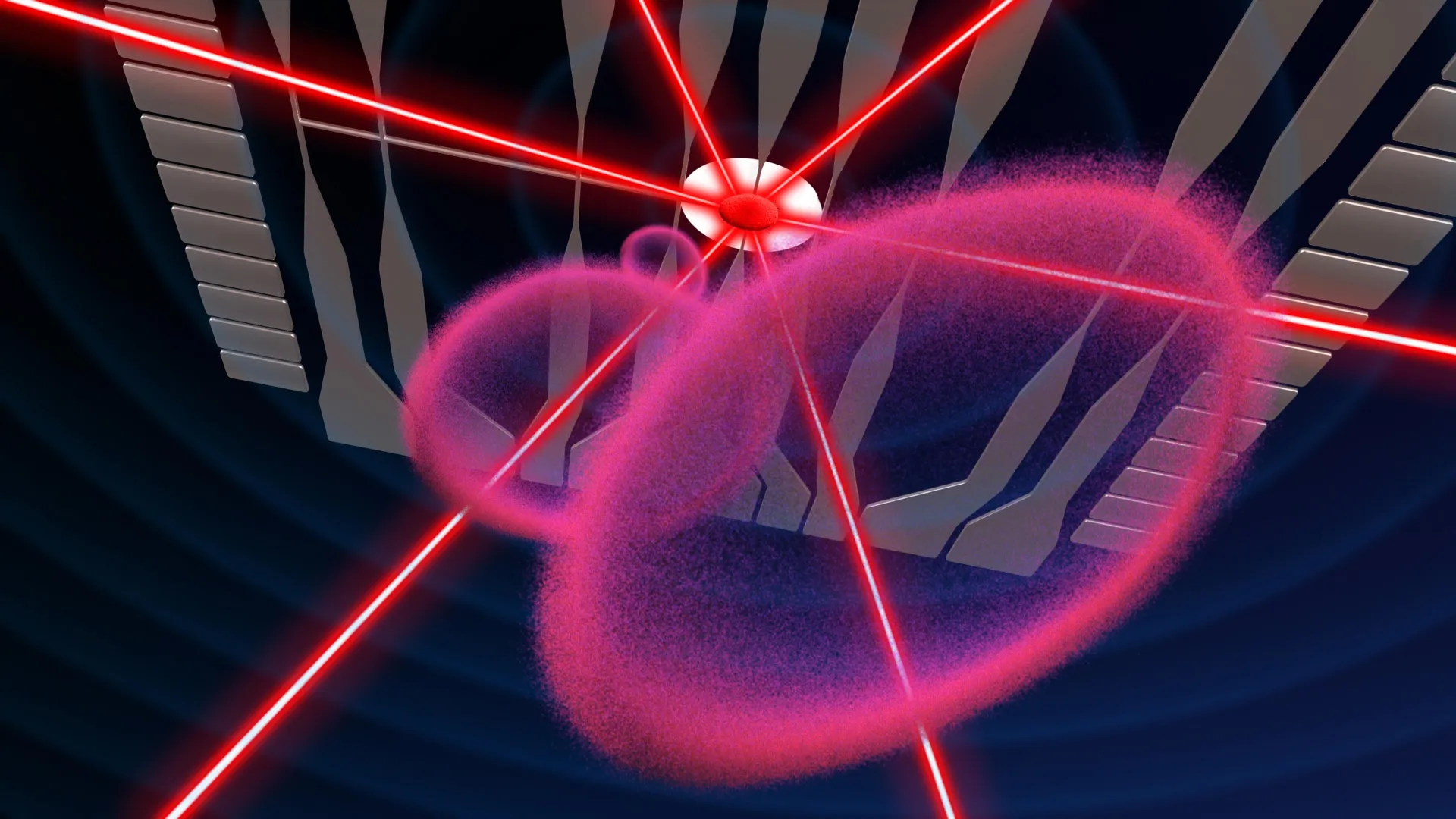
NASA’s upgraded Cold Atom Lab is turning the International Space Station into a frontier for quantum research, creating ultra-cold matter that behaves in astonishing ways. The experiments could unlock new discoveries about the universe while paving the way for powerful future technologies in space and on Earth.
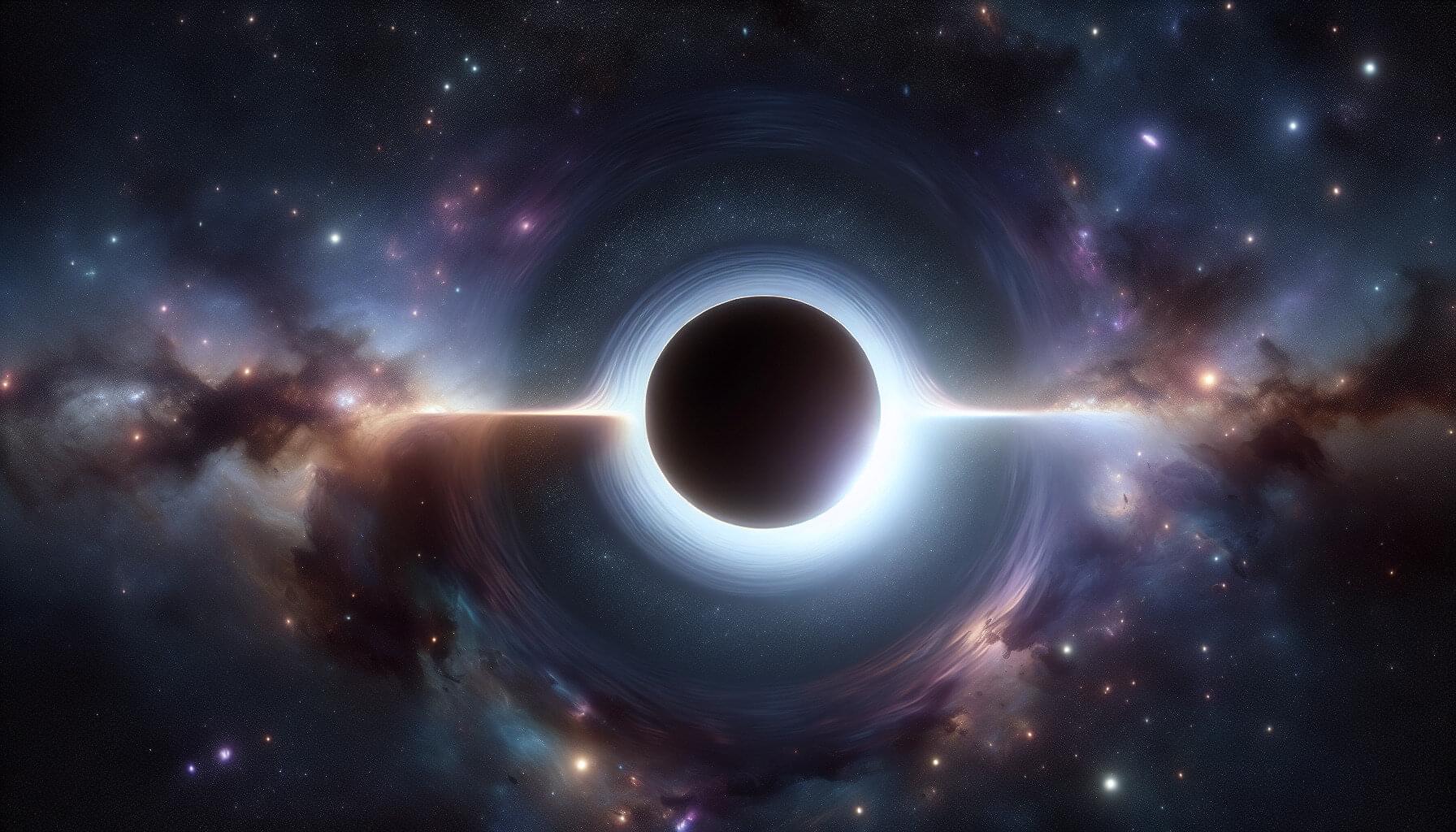
Modern physics theories highlight the key role of horizons—boundaries beyond which information cannot reach an observer—in a variety of cosmological and gravitational phenomena. Two renowned examples of these boundaries are event horizons in black holes and the cosmological horizon of the de Sitter spacetime, a model of an expanding universe with a positive vacuum energy.
Many quantum theories predict the existence of quantum states or excitations in the proximity of horizons, which are known as edge modes. Edge modes are additional degrees of freedom that can emerge when space is divided into two distinct regions. Rather than being distributed throughout space, they are typically localized near or on the boundary that divides the two regions.
Researchers at the Abdus Salam International Center for Theoretical Physics and the University of Amsterdam recently set out to calculate the contribution of edge modes to the Euclidean partition function, a quantity that encodes information about all possible quantum states of a system and their statistical properties.
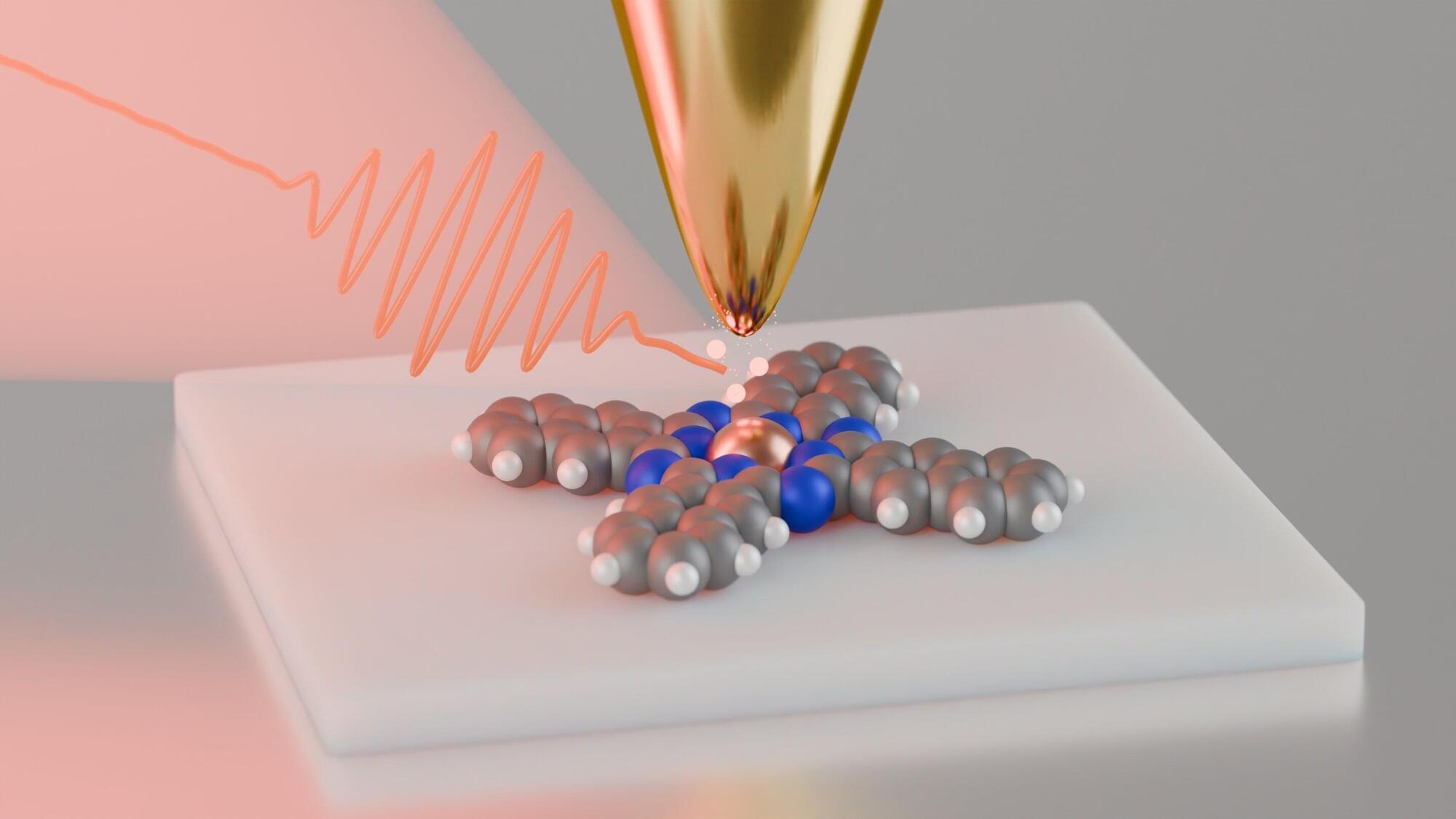
In a recent study, Manish Garg, independent group leader at Max Planck Institute for Solid State Research (MPI FKF), succeeded in probing the local properties of bright and dark excitons in the organic superconductor copper naphthalocyanine (CuNc). The findings are published in the journal Nature Communications.
This study was the result of the efforts of an international collaboration that brought together the MPI for Solid State Research in Stuttgart, the Università della Calabria and the Universidad Autónoma de Madrid.
By combining scanning tunneling microscopy with wave-packet interferometry, the authors gained remarkable—and previously inaccessible—insights into exciton dynamics. The insights gained with this technique can be of paramount importance both in the field of energy materials—where excitons play a central role in light-harvesting technologies such as solar cells—and in quantum technologies, as excitons are considered a promising platform for quantum computing.
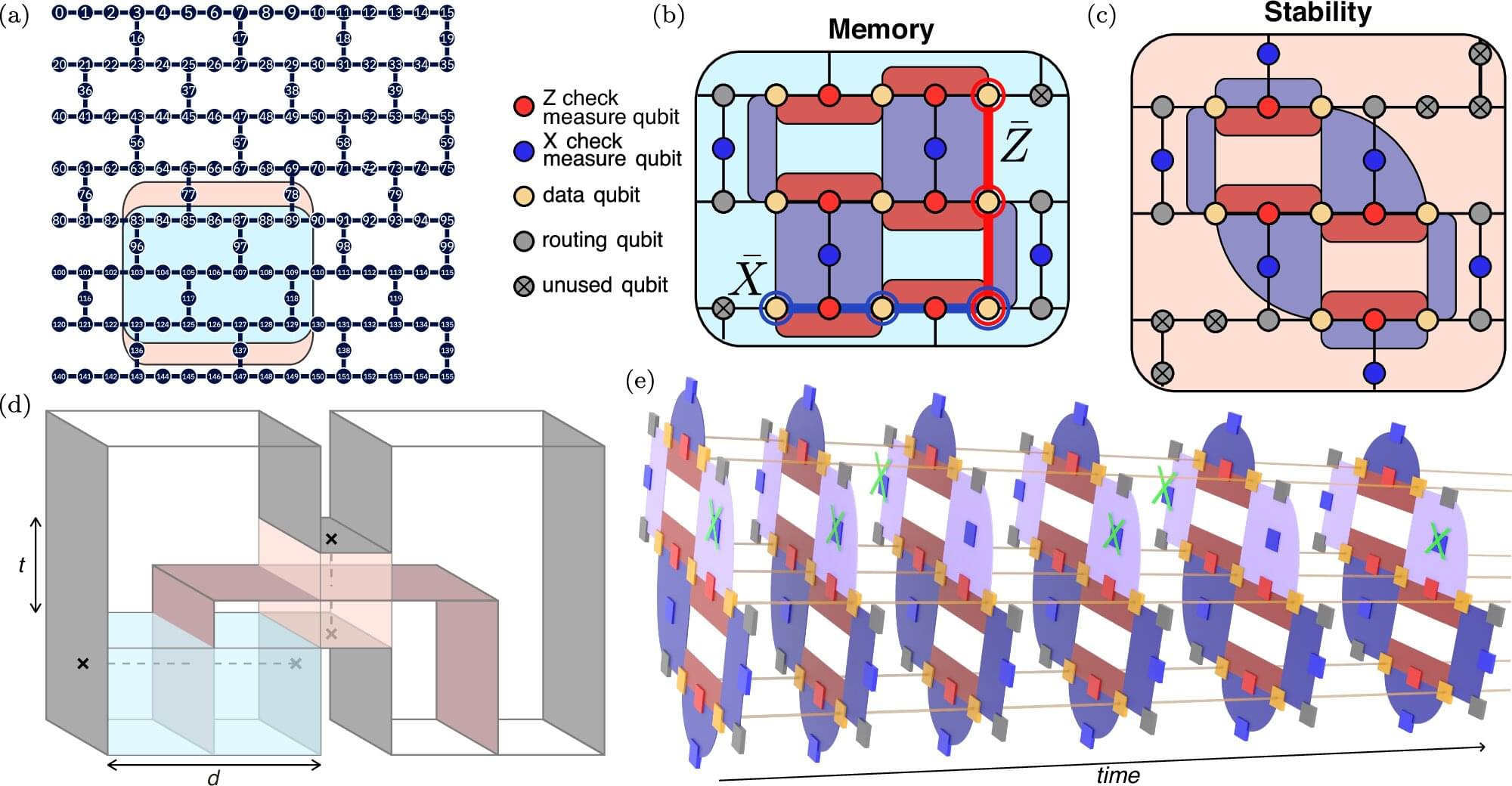
Researchers from the University of Sydney, working with IBM, have identified and quantified important factors limiting the performance of quantum computers and demonstrated ways to overcome their impact.
The findings, which improve understanding of how errors emerge during quantum computations, could significantly advance the reliability of quantum technology.
The paper has been published in Nature Communications.
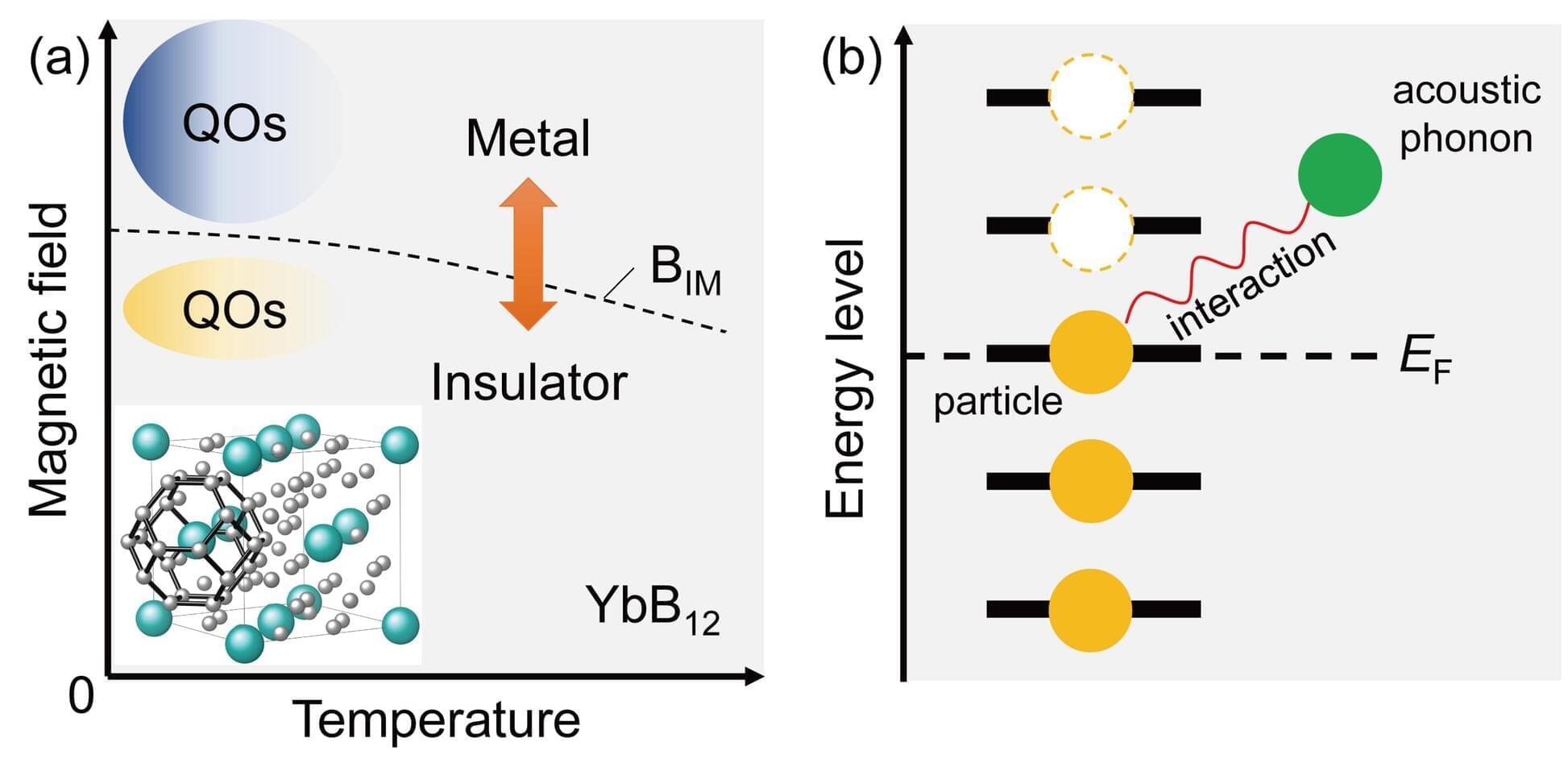
Magnetic quantum oscillations have been unexpectedly observed in insulators, where freely moving charge carriers are not expected to exist. A joint study by researchers from Tokyo University of Science, The University of Tokyo and Kobe University investigated this puzzling behavior in the Kondo insulator YbB12 using ultrasound.
The findings are published in the journal Physical Review B.
While no oscillations were detected in the insulating state, clear signals emerged after the material became metallic, offering new insight into unusual quantum behavior in next-generation materials.
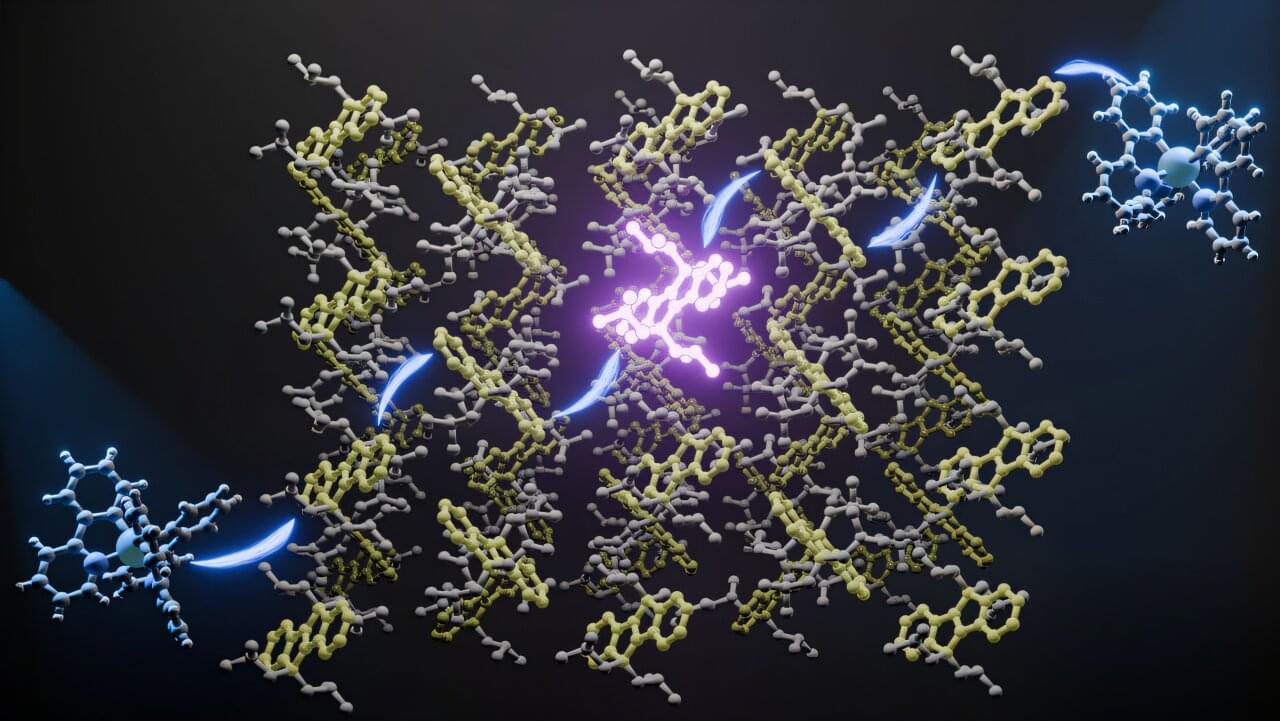
Two cups of warm water don’t make one cup of boiling water. But in the quantum world, multiple low-energy photons can combine to produce a single, higher-energy photon.
A research team at Kyushu University has developed a solid-state molecular material that “upgrades” visible light into ultraviolet (UV) light under ordinary outdoor sunlight, achieving a conversion efficiency of 1.9%. The study is published in Nature Communications.
Harsh UV light is something most people try to avoid in summer, yet it is indispensable in fields ranging from air purification and resin curing in 3D printing to gel hardening in dental fillings and nail art. Despite its importance, UV accounts for only about 6% of the sunlight reaching Earth’s surface, with only a fraction of that being practically usable.

Using a “bootstrap” approach, researchers show that a small set of assumptions may naturally lead to a string-theory description of certain high-energy processes.
String theory has been a remarkably influential conceptual framework for modern theoretical physics. While its description of nature in terms of tiny strings captures the imagination, the string framework has had profound impact in a broad range of subfields, going well beyond its lead role as a viable theory of quantum gravity. For instance, it has led to deeper understanding of black holes and their relation to entanglement and quantum information [1], and it has provided theoretical benchmarks for explaining quark–gluon plasma observations in quantum chromodynamics [2]. As a complement to direct calculations, theoretical physicists would like to understand string theory as emerging from a set of fundamental principles that any theory of nature must respect. Consistency with these bedrock conditions, so goes the idea, could perhaps make string theory inevitable.
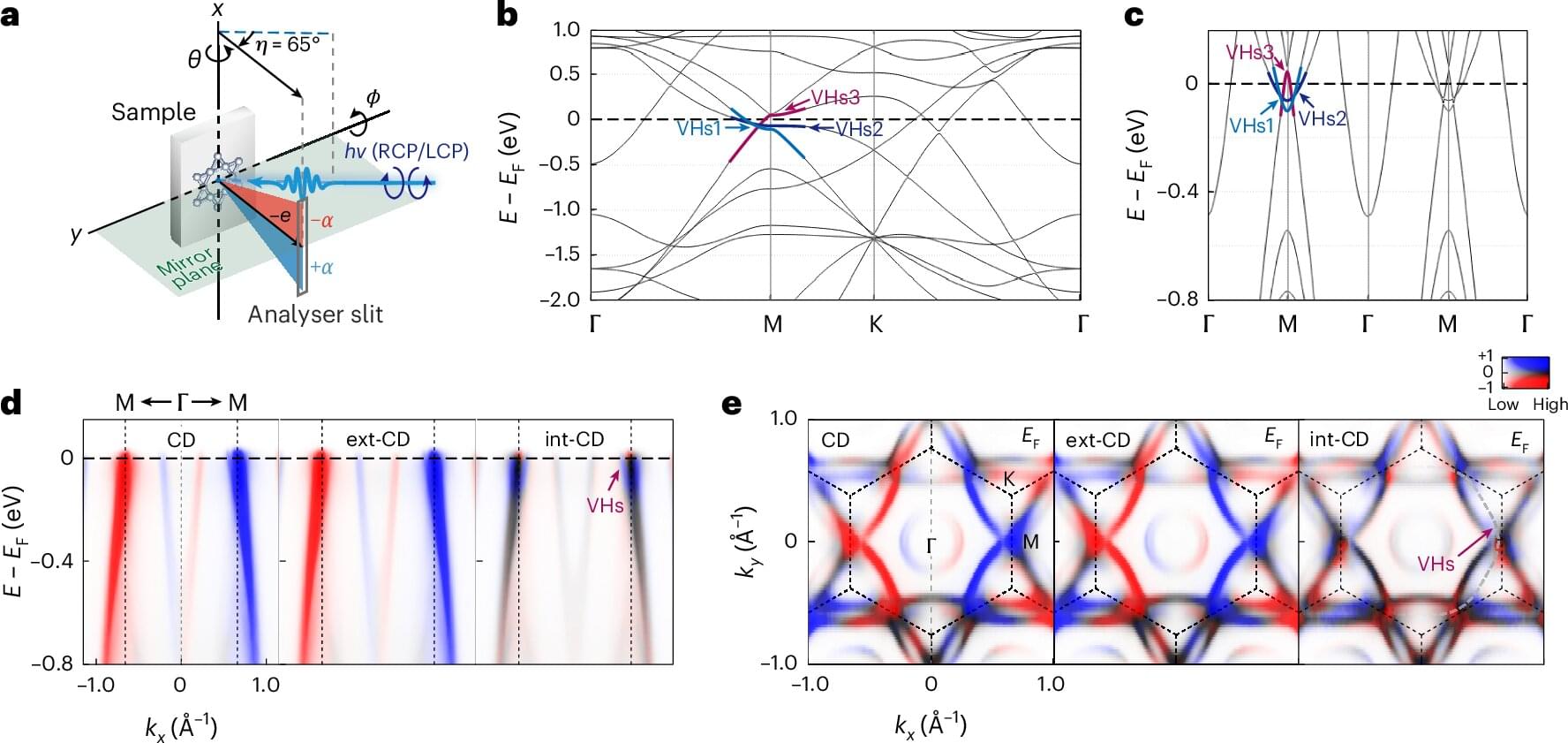
Physicists have long suspected that a peculiar quantum state lurks inside a class of materials known as kagome metals, but proving its existence has been elusive. Now, a team led by Yeongkwan Kim at the Korea Advanced Institute of Science and Technology has performed experiments on a kagome metal that provide the strongest evidence yet for this exotic state.
Published in Nature Physics, the team’s results could shed new light on how these materials transition into superconductivity.