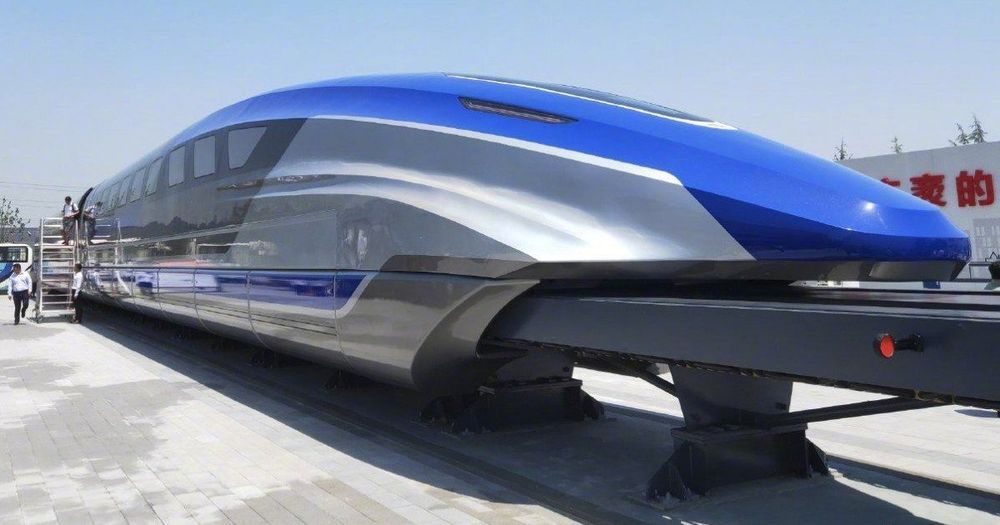
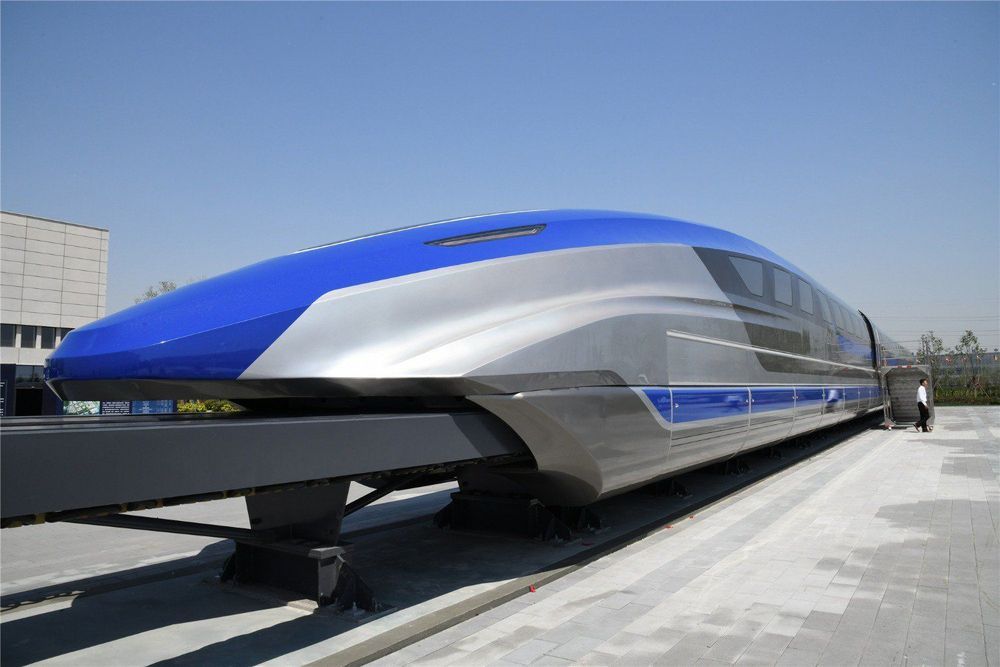
A 4.5-hour plane trip would reportedly take just 3.5 hours by maglev.
Read more
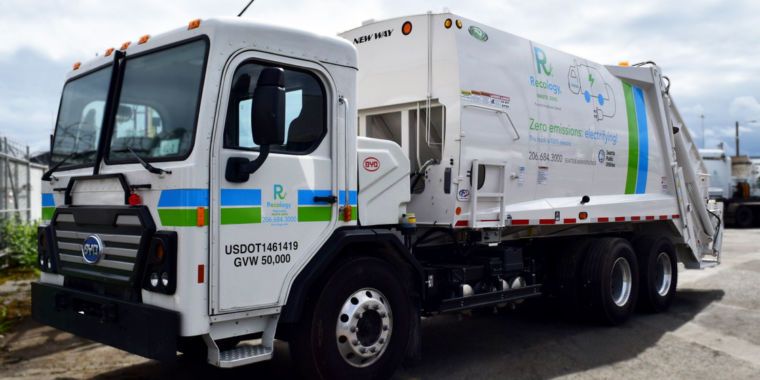
Despite this, electric garbage trucks are still few and far between. BYD’s main competitor is Motiv Power Systems, which has sold small fleets of class 8 side-loading garbage trucks to Los Angeles and Sacramento, California. Wrightspeed, which was also making hybrid-electric garbage trucks—featured in this article from 2015—appears to have gone dormant, despite a contract to supply the New Zealand cities of Auckland and Wellington. And recently, Volvo announced a battery electric garbage truck, the FE Electric, although it appears to be limited to the European market.
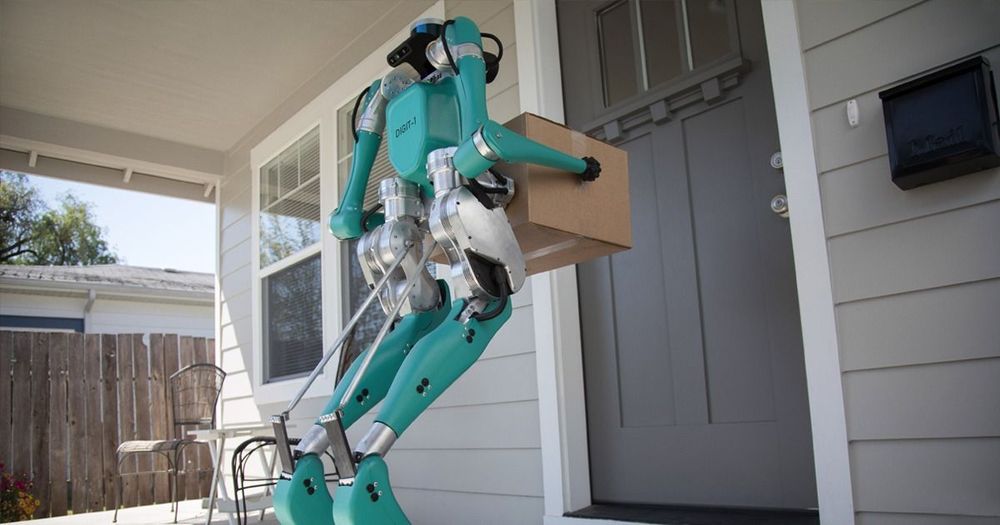
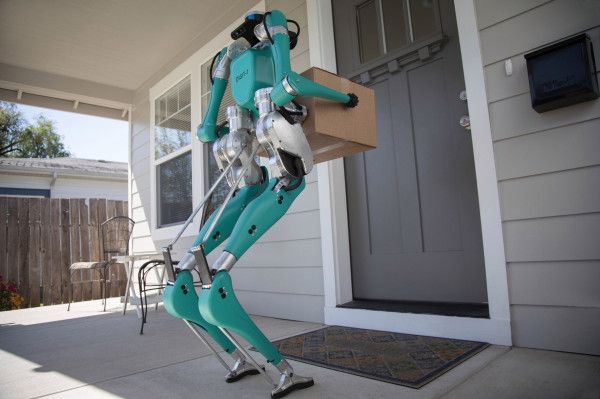
Autonomous vehicles might someday be able to navigate bustling city streets to deliver groceries, pizzas, and other packages without a human behind the wheel. But that doesn’t solve what Ford Motor CTO Ken Washington describes as the last 50-foot problem.
Ford and startup Agility Robotics are partnering in a research project that will test how two-legged robots and self-driving vehicles can work together to solve that curb-to-door problem. Agility’s Digit, a two-legged robot that has a lidar where its head should be, will be used in the project. The robot, which is capable of lifting 40 pounds, can ride along in a self-driving vehicle and be deployed when needed to delivery packages.
“We’re looking at the opportunity of autonomous vehicles through the lens of the consumer and we know from some early experimentation that there are challenges with the last 50 feet,” Washington told TechCrunch in a recent interview. Finding a solution could be an important differentiator for Ford’s commercial robotaxi service, which it plans to launch in 2021.
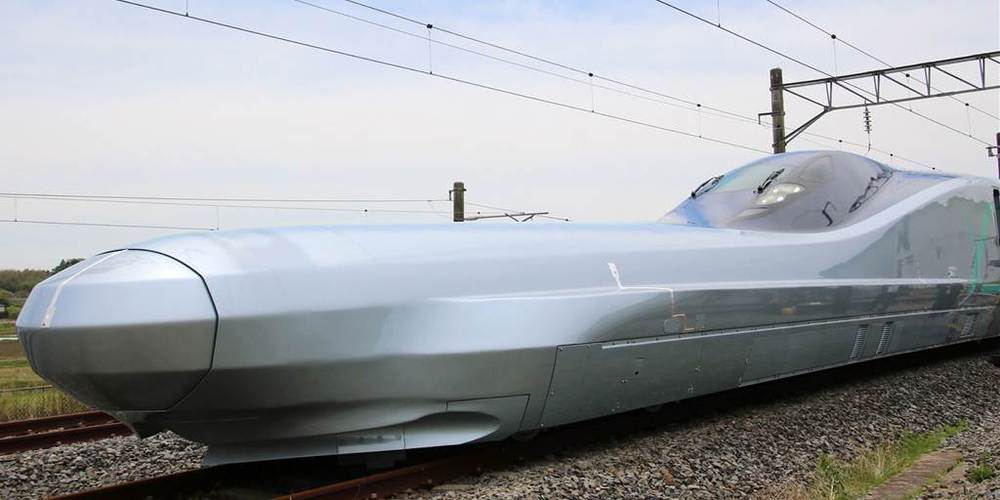
The picture of a “bullet train” speeding past Mount Fuji is an iconic image of modern Japan.
In recent years, however, Japan has lost the “world’s fastest train” title to China — if only by a few miles per hour. But now, Japan plans to reclaim that crown, with a new bullet train that will whisk between cities with journey times that rival passenger jets.
The Alfa-X train, unveiled by rail company JR East, will carry passengers at up to 224 miles per hour, outpacing the fastest Japanese bullet trains in commercial service today by almost 25 miles per hour.
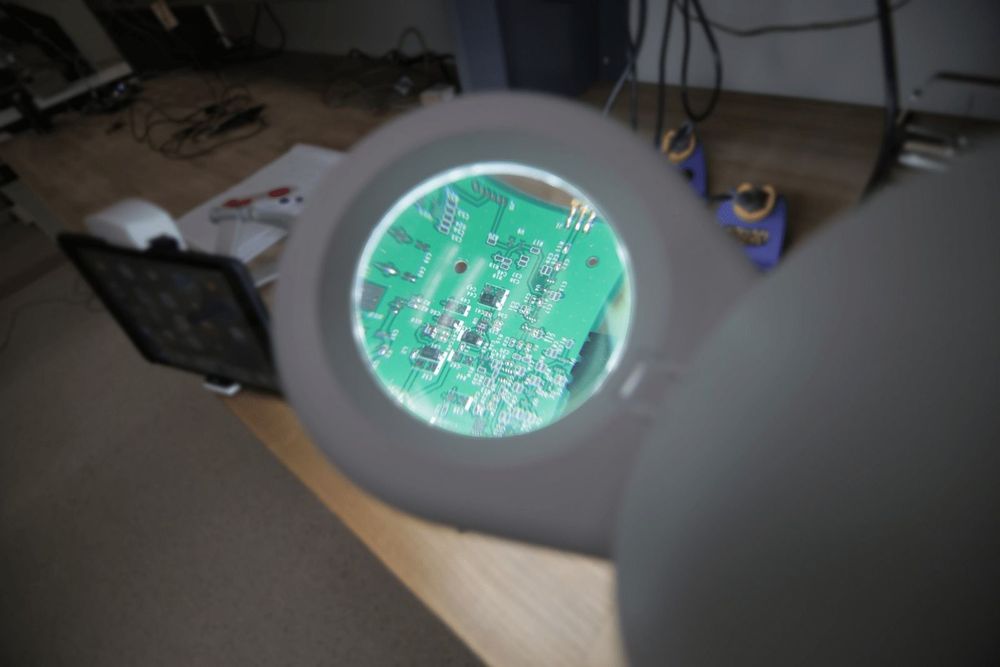
The idea of “liquid silicon” conjures images from a Terminator film. Fittingly, it is a nascent ’80s computing concept brought to life with modern fabrication techniques, with the potential to alter the course of the future for computer hardware.
“Liquid Si,” with its delicate layers of mono-crystalline silicon and stacked transistors, have real-world implications in the post-Moore semiconductor landscape.
Building unified computer hardware that incorporates system memory, I/O logic, and disk storage into the same module represents a long-standing goal for microchip architects, and attainment is closer now than ever. Using a process called monolithic 3D integration, modern fabrication machines can execute chip designs with silicon and semiconductor circuitry layered on the bottom, solid-state memory arrays on top, and a dense metal-to-metal bus sandwiched in between.