Click on photo to start video.
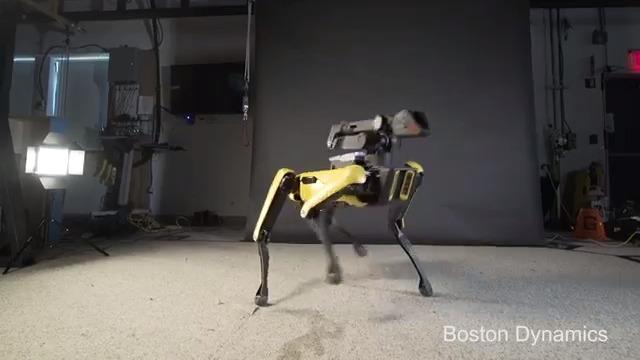
Dancing to bruno mars uptown funk you up.
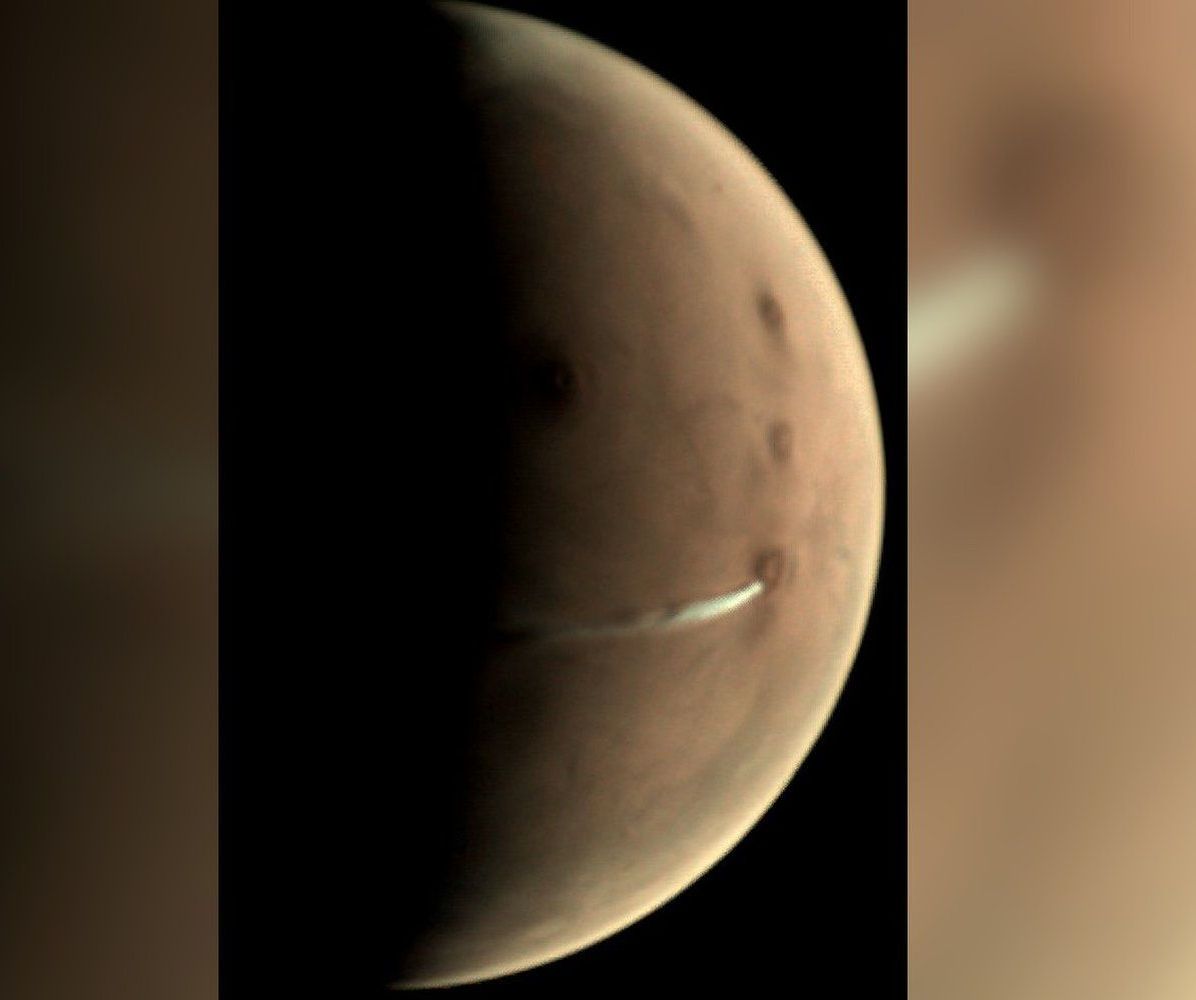
A mysterious white-colored plume extending some 950 miles (just over 1,500 kilometers) has been spotted on the leeward side of the Arsia Mons volcano on Mars.
Unlike other Martian cloud structures that seem to poof in and out of existence, this one has staying power, with the lengthy plume hovering near Arsia Mons since Sept. 13 and seen as recently as Nov. 12, according to the European Space Agency. The agency’s Mars Express camera has been recording images of the mountainous cloud.
“Montane clouds are very common on Mars, but it was the length of the cloud and its duration that makes it interesting,” said Francois Forget, a senior research scientist at the National Center for Scientific Research (CNRS) in Paris. “Usually, it is more localized to the volcano.” [The 7 Most Mars-Like Places on Earth].
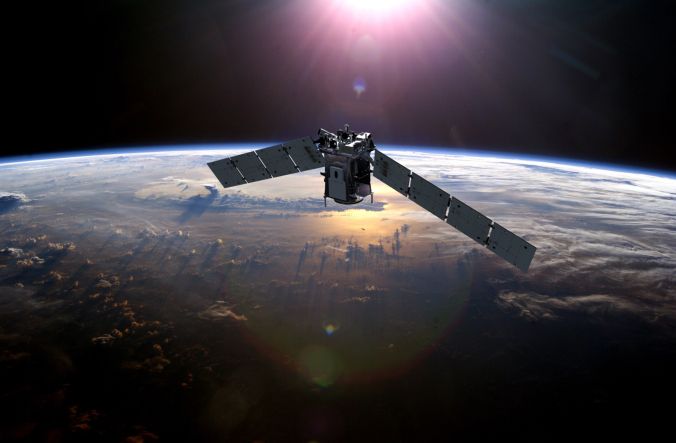
“It could happen in a matter of months,” says Martin Mlynczak of NASA’s Langley Research Center. ________________
“The sun is entering one of the deepest Solar Minima of the Space Age,” wrote Dr Tony Phillips just six weeks ago, on 27 Sep 2018.
Sunspots have been absent for most of 2018 and Earth’s upper atmosphere is responding, says Phillips, editor of spaceweather.com.
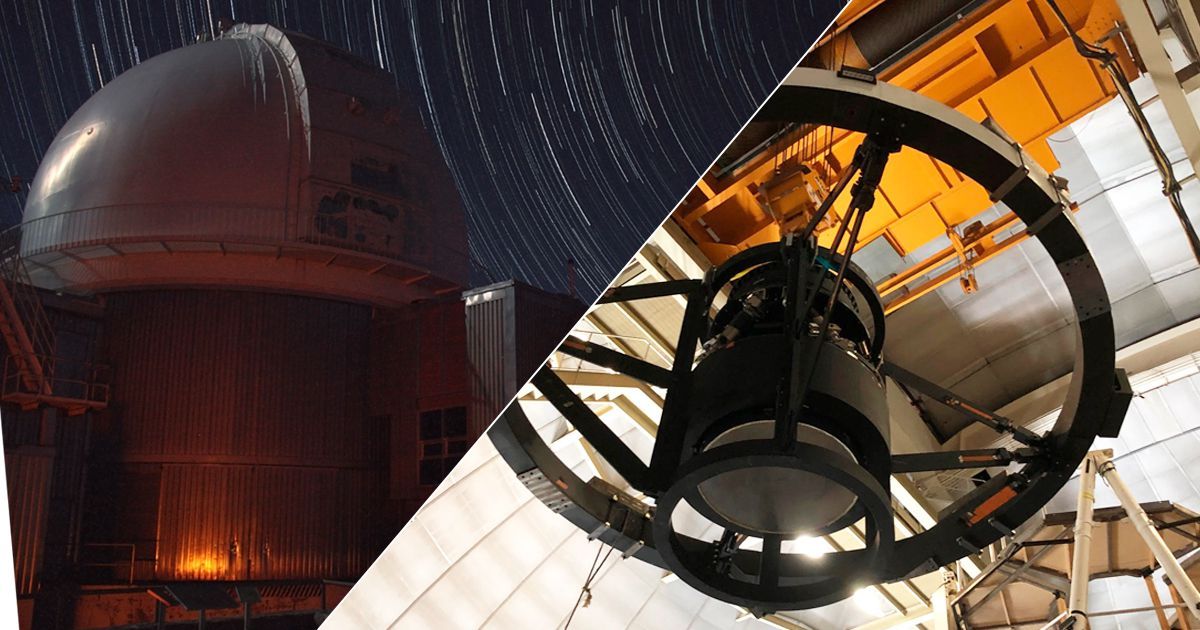
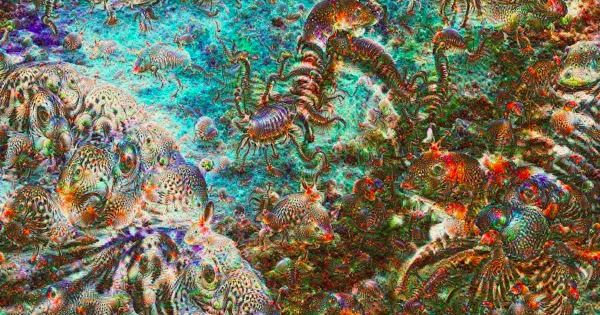
Deep learning has been making it possible for powerful machines to approximate and imitate abilities and techniques once thought to be uniquely human. Mathematicians have struggled to explain how they work so well and may now get some answers by looking outside mathematics and into the nature of the universe.
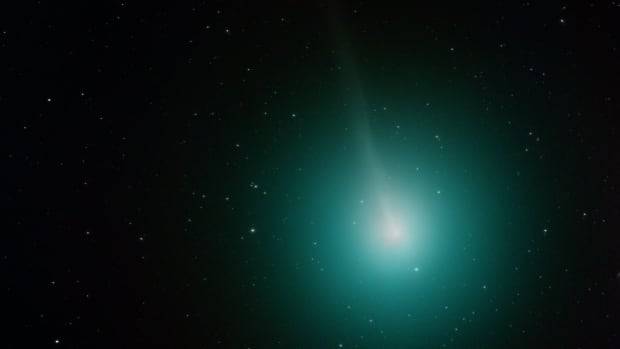
If you have clear skies and are willing to brave the chilly temperatures, you might want to head to a dark site and look for a passing visitor.
Comet 46P/Wirtanen, first discovered in 1948, will have its closest encounter with Earth on Dec.16. But it’s already visible in the sky.
While this is the brightest comet of the year and the 10th closest comet in modern times, don’t expect one with a well-defined tail, a hallmark of comets.
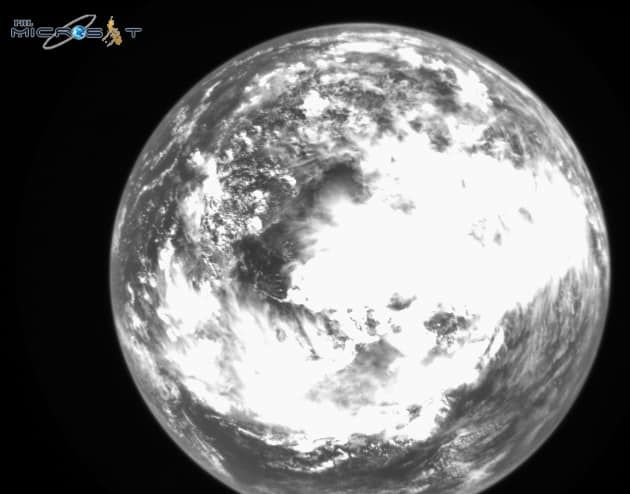
While things have seemed quiet after Diwata-2’s launch into space last October 29, the team has been busy working on the initial tests and calibration of Diwata-2’s payloads. Stay tuned for more images and updates in the coming weeks! Read more about the first few images here: https://bit.ly/2E9oi6m&h=AT3JRdu_Q1bmVIKgKhh6i5isF4r0_KorJah…-f_F-Lf8F8 #Diwata2 #D2nMe
By Luke Miller
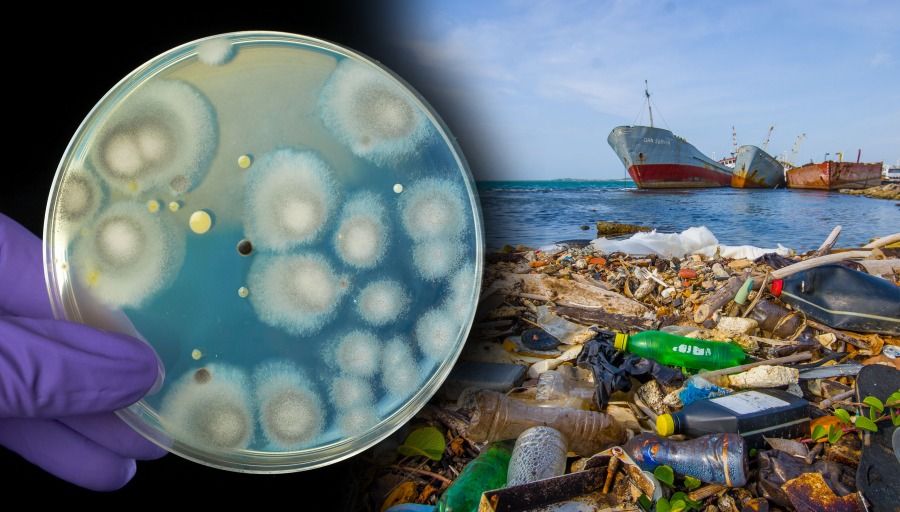
A fungus that can “eat” plastic has been discovered in Pakistan. This discovery could tackle the growing plastic problem the planet is currently facing, by cutting the lifespan of plastic from up to 1000 years, to just weeks.
One of the largest environmental problems we are currently facing is plastic. Taken from sas.org pollution facts and figures: