This alert has been successfully added and will be sent to:
You will be notified whenever a record that you have chosen has been cited.
To manage your alert preferences, click on the button below.
Elon Musk’s ventures, particularly Tesla’s robotaxis and advancements in AI, are poised to revolutionize the economy and society, with significant potential for growth, discovery, and profound implications for the future ##
## Questions to inspire discussion.
Robotaxi Economics & Business Model.
🚖 Q: What determines robotaxi success beyond achieving autonomy? A: Success depends on unit economics, fleet scalability, and supply elasticity during peak demand, not who reaches autonomy first, with the ability to integrate privately owned vehicles into a single economic system being critical.
💰 Q: What margin advantage does Tesla’s robotaxi model have over competitors? A: Tesla projects 35% margins by 2030, significantly higher than Uber’s 7.9% and Waymo’s break-even margins, enabling rapid revenue growth.
📈 Q: What revenue growth is expected for Tesla’s robotaxi business? A: Tesla expects 4.4-5x growth in robotaxi revenue over the next 5 years, potentially greater due to untapped use cases like long road trips.
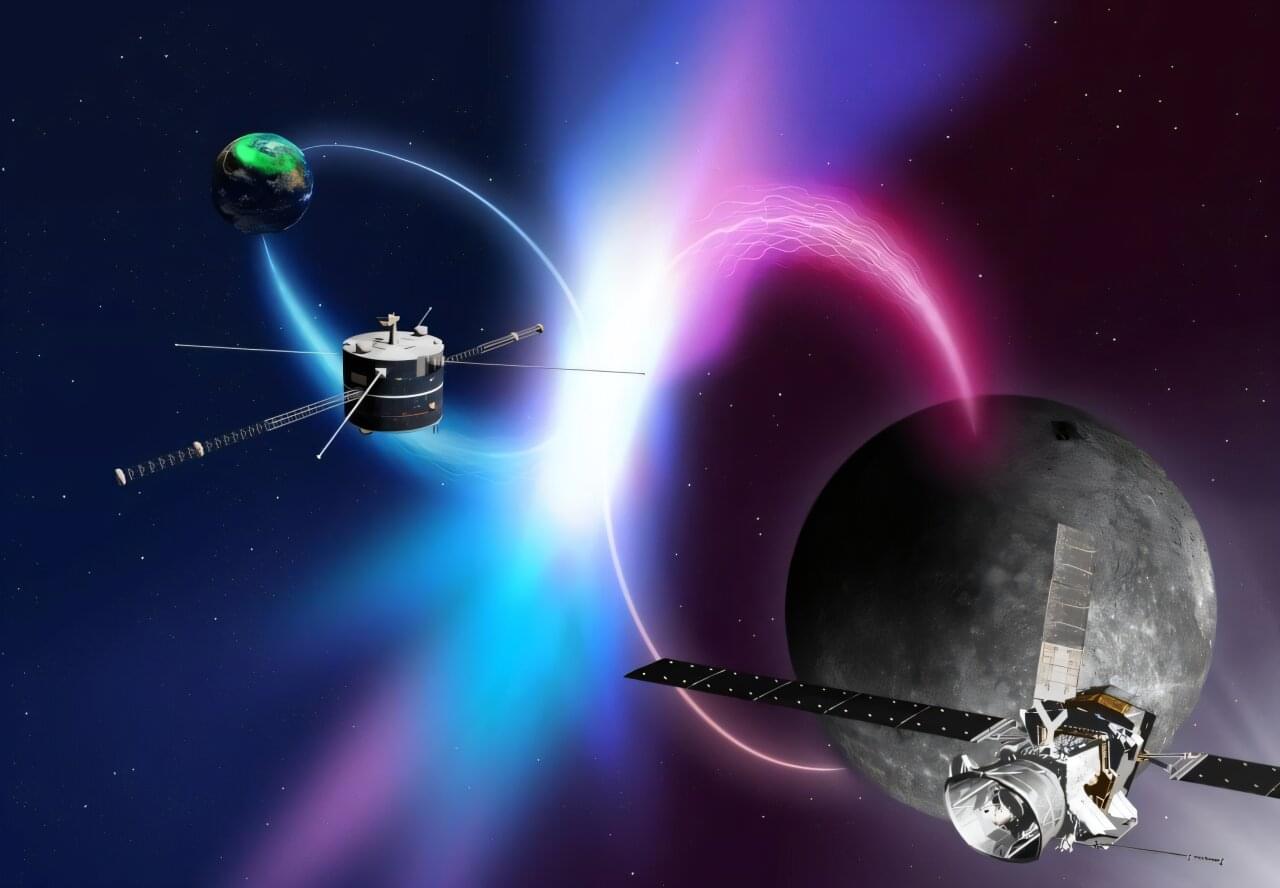
An international team from Kanazawa University (Japan), Tohoku University (Japan), LPP (France), and partners has demonstrated that chorus emissions, natural electromagnetic waves long studied in Earth’s magnetosphere, also occur in Mercury’s magnetosphere exhibiting similar chirping frequency changes.
Using the Plasma Wave Investigation instrument aboard BepiColombo’s Mercury orbiter Mio, six Mercury flybys between 2021 and 2025 detected plasma waves in the audible range. Comparison with decades of GEOTAIL data confirmed identical instantaneous frequency changes.
This provides the first reliable evidence of intense electron activity at Mercury, advancing understanding of auroral processes across the solar system.
As commercial interest in quantum technologies accelerates, entrepreneurial minds at the University of Waterloo are not waiting for opportunities—they are creating them.
Among them is Alex Maierean (MMath ‘24), CEO of Phantom Photonics and part-time Ph.D. student at the Institute for Quantum Computing (IQC). Her startup is developing ultra-sensitive quantum sensors that can filter out background noise and detect the faintest signals, even down to a single photon—the smallest unit of light. This offers new levels of precision and stealth for industries operating in extreme environments, from the depths of the ocean to outer space.
Launched in 2023, the Velocity startup emerged from fundamental research at an IQC lab led by Dr. Thomas Jennewein, IQC affiliate and adjunct faculty in the Department of Physics and Astronomy. Today, the startup is based at Velocity where it has established a dedicated lab space to continue to develop its quantum sensor technology and build its core team.
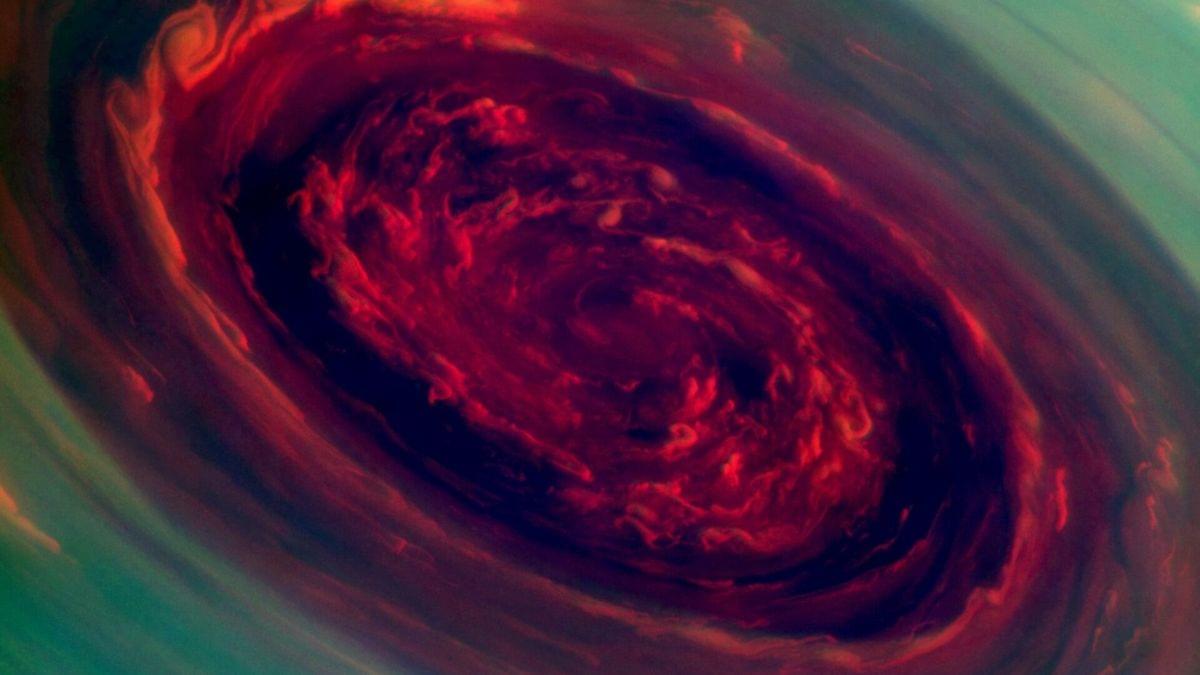
The two largest planets in the Solar System – Jupiter and Saturn – have a lot in common. They’re made of very similar stuff, they spin at similar speeds, and radiate internal heat similarly. Heck, they even both hoard moons in a similar way.
However, there’s a difference between the planets that has long puzzled scientists: the giant, vortical storms that cap their poles.
Saturn has one huge storm on each pole.
Sharing my latest Forbes article: by Chuck Brooks.
Thanks for reading and sharing!
#cybersecurity #tech #ai #quantum #space Forbes
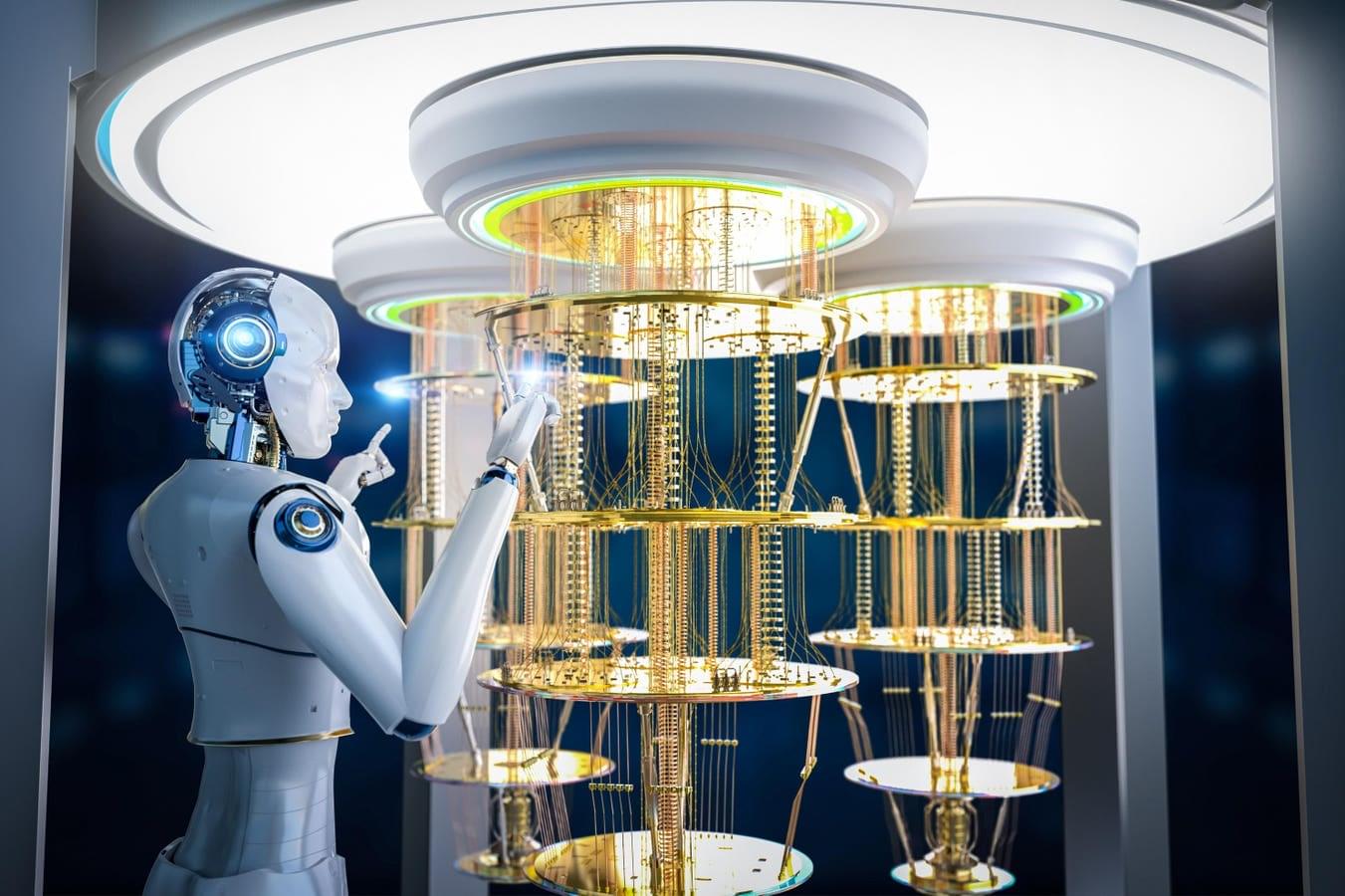
Artificial intelligence and quantum computing are no longer speculative technologies. They are reshaping cybersecurity, economic viability, and managing risk in real time.