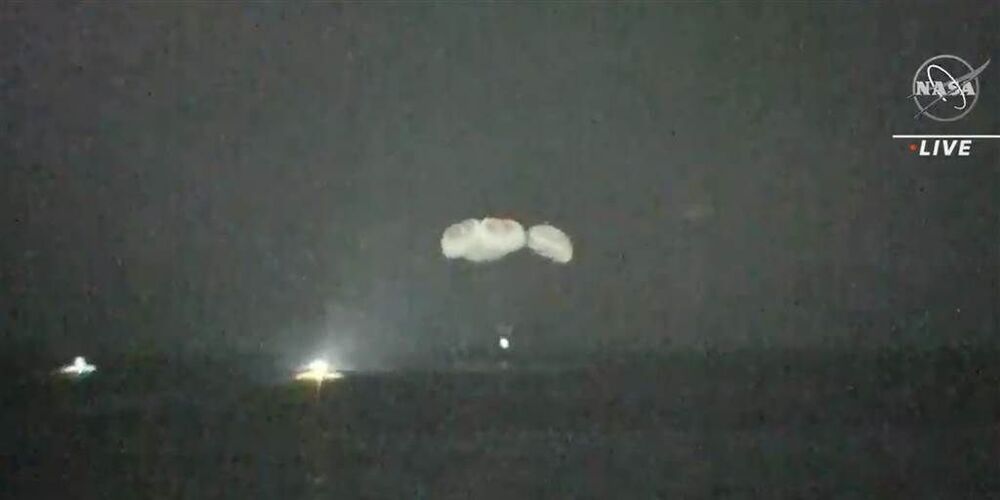
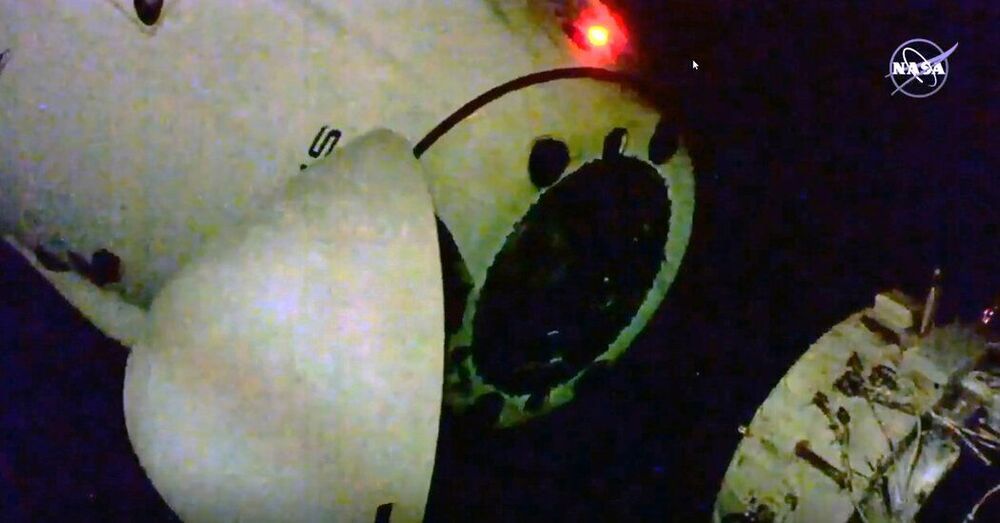
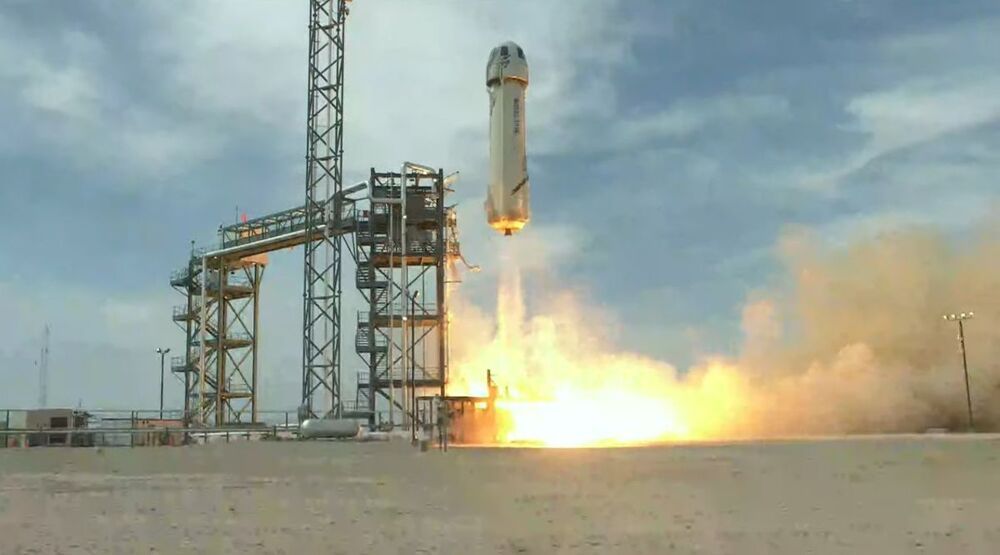
The Dragon capsule parachuted into the Gulf of Mexico off the coast of Panama City, Florida, just before 3 a.m., ending the second astronaut flight for Elon Musk’s company.
It was an express trip home, lasting just 6 1/2 hours.
SpaceX and NASA are targeting Saturday, May 1 at 8:35 p.m. EDT, or 00:35 UTC on May 2, for Dragon to autonomously undock from the International Space Station (ISS) and splashdown off the coast of Florida on Sunday, May 2 at approximately 2:57 a.m. EDT, 6:57 UTC, completing its first six-month operational mission to the Station.
A series of departure burns will move Dragon away from the orbiting laboratory, followed by the vehicle jettisoning the trunk to reduce weight and mass to help save propellant for the deorbit burn. Once complete, Dragon will re-enter Earth’s atmosphere and deploy its two drogue and four main parachutes in preparation for a soft water landing.
Aboard the spacecraft will be NASA astronauts Mike Hopkins, Victor Glover, Shannon Walker, and JAXA astronaut Soichi Noguchi, who flew to the space station on Dragon six months ago when Falcon 9 launched the spacecraft from historic Launch Complex 39A (LC-39A) at Kennedy Space Center in Florida on Sunday, November 15, 2020.
Upon splashdown, the Dragon and the astronauts will be quickly recovered and returned to Cape Canaveral and Houston respectively. Once the mission is complete, Dragon will be inspected and refurbished for future human spaceflight missions.
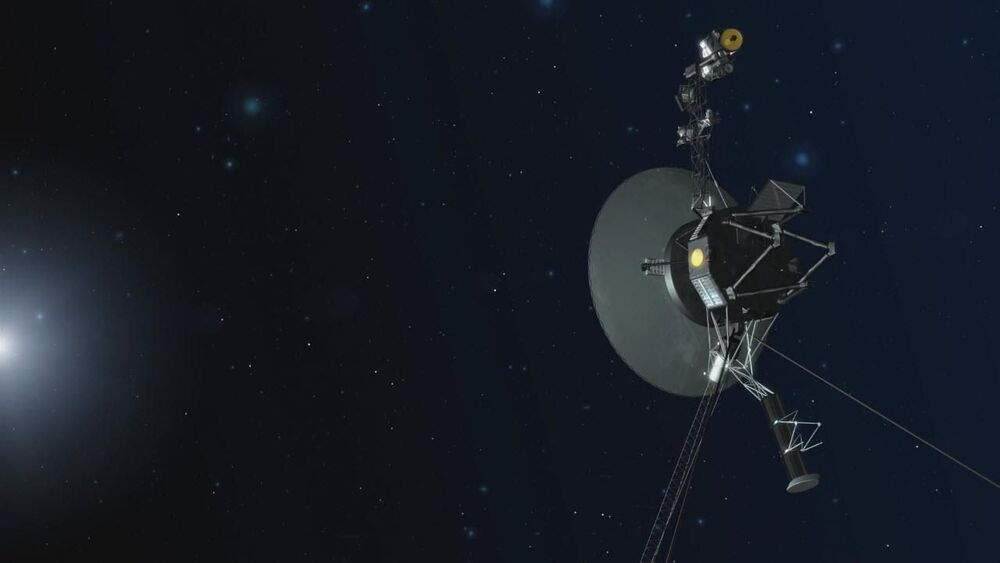
Voyager 2 joined Voyager 1 outside the heliosphere one year ago. Now, five new papers reveal what it has found out there.
Only two of humanity’s spacecraft have left the Solar System: NASA’s Voyager 1 and Voyager 2. Voyager 1 left the heliosphere behind in 2012, while Voyager 2 did the same on Nov. 5th, 2018. Now Voyager 2 has been in interstellar space for one year, and five new papers are presenting the scientific results from that one year.
The heliosphere is a bubble-shaped region of space with our Sun in the center. Think of it as an inflated cavity full of plasma that comes from the Sun. The edge of the bubble is where the plasma from our Sun gives way to the interstellar medium (ISM.) Voyager 2 left the heliosphere behind and entered interstellar space at about 18 billion km (11 billion miles) from Earth.
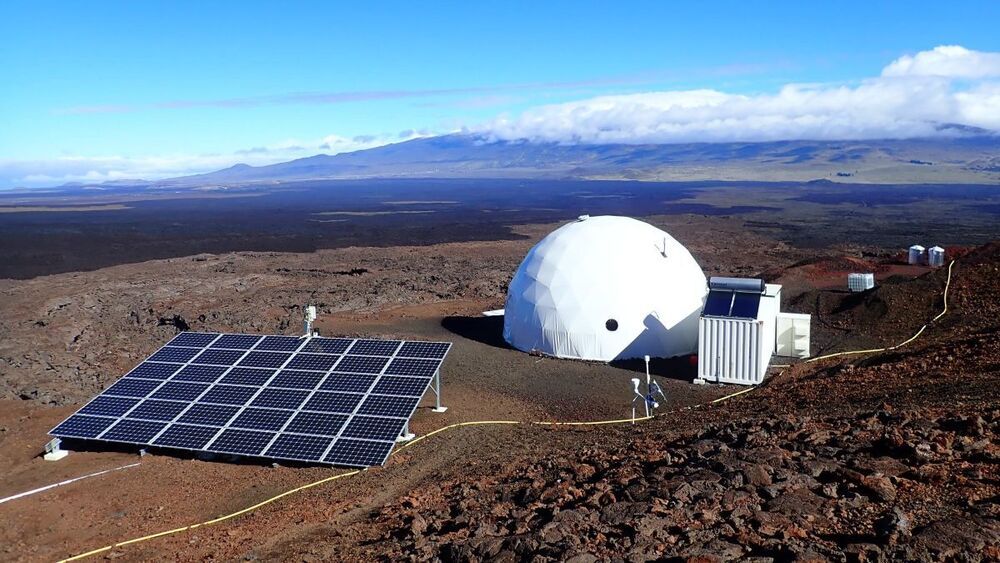
The HI-SEAS mock extraterrestrial base is part of an intensifying effort to get humans ready for living on other worlds, which could well be soon. NASA recently selected SpaceX as the company to build its Artemis lunar lander. At some point, our visits will have to become stays if human space exploration is to go beyond its 20th-century heyday.
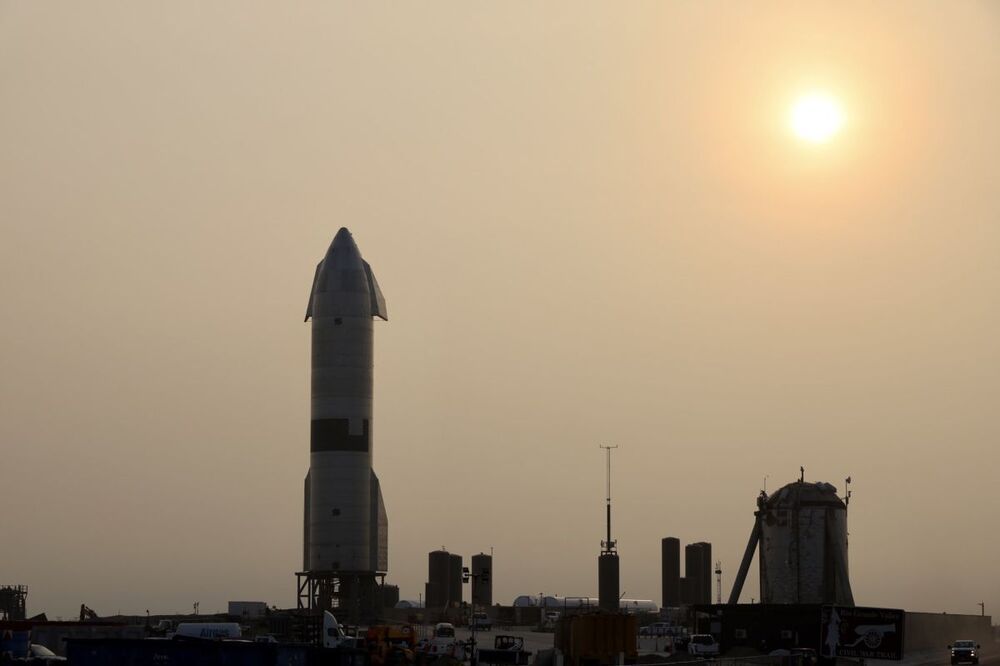
SpaceX performed the first static fire test on Starship SN15 today (April 26), prepping the vehicle for a high-altitude test flight in the near future.