Starlink and SES will bring satellite to modular data centers in remote areas.
Category: satellites – Page 129

Three Percent of SpaceX’s Starlink Satellites Died
Piling Up
SpaceX has launched about 775 Starlink satellites so far but plans to have 42,000 by the time the constellation is complete. At a three percent failure rate — assuming it stays consistent — that amounts to 1,260 immobilized satellites waiting to smash into other stuff in space.
“I would say their failure rate is not egregious,” McDowell told Business Insider. “It’s not worse than anybody else’s failure rates. The concern is that even a normal failure rate in such a huge constellation is going to end up with a lot of bad space junk.”
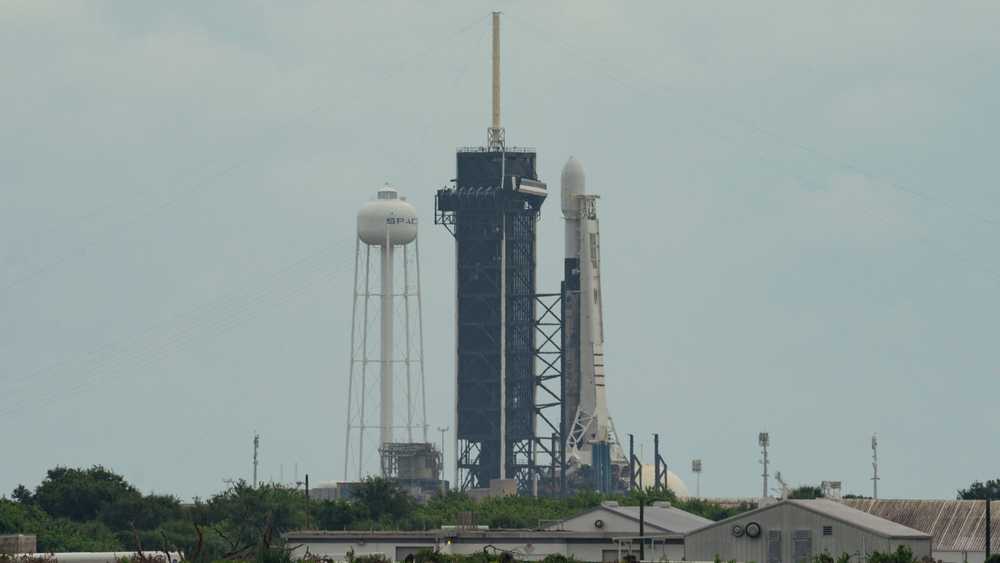
SpaceX targeting this weekend for Starlink launch from Kennedy Space Center
SpaceX is targeting this weekend for its next Falcon 9 rocket launch from Kennedy Space Center, this time with another batch of Starlink internet satellites.
If schedules hold, teams will give the go-ahead for the 230-foot rocket to launch from pad 39A at 8:27 a.m. Sunday, the opening of an instantaneous window. It must launch at that time or delay to another day.
About eight minutes after liftoff, the rocket’s 162-foot first stage will target an autonomous landing on the Of Course I Still Love You drone ship in the Atlantic Ocean. SpaceX’s fleet of ships and the booster should return to Port Canaveral a few days later.

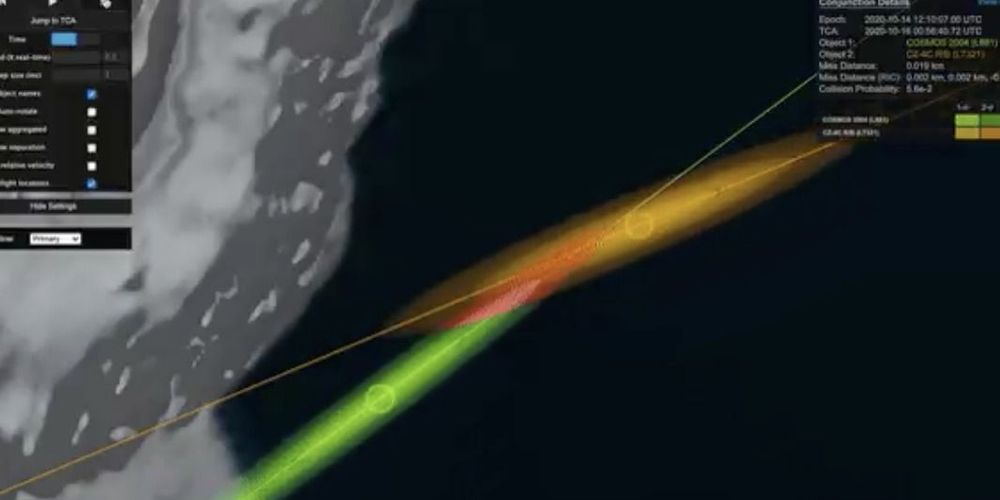
Two Dead Satellites May Collide Tonight. That’s Really, Really Bad
Experts are worried about what could happen up in low-Earth orbit.
On Tuesday, LeoLabs, a company that monitors the paths of space junk in low-Earth orbit, announced on Twitter it was tracking a potential conjunction—that’s space-speak for a mid-orbit crash—tonight between a defunct Soviet satellite and a discarded Chinese rocket stage.
SpaceX hopes to launch two batches of Starlink satellites from Florida in one week
Elon Musk is looking to get caught up after several weeks marked by delays.
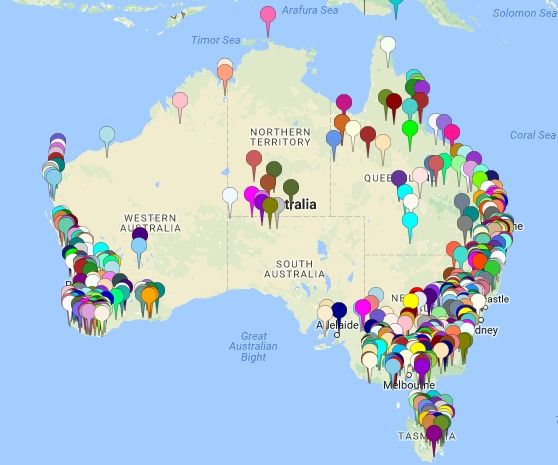
Australlite: There have been lots of posts about SpaceX StarLink starting services in Australia
In 2016, I proposed LEO HTS Mega Constellation a viable solution for Australia’s broadband national coverage. I have been doing research on these constellations right from the beginning and they are inevitable!
Introduction
Utilizing the announced Lower Earth Orbit (LEO) satellites constellations of OneWeb, SpaceX, LeoSat & Samsung to provide high speed connectivity to entire Australian continent with performance better than fiber networks. This project can eliminate high cost NBN roll out to scattered populations and will considerably improve disaster management. Providing high speed connectivity for mobile communication, internet, high resolution TV broadcast as well as utilizing technologies like IoT & Cloud for improvement in security, education, health, agriculture, livestock farming, mineral resources, wildlife, and environment without any coverage black-spots. This network will not require any infrastructure installations and will help the Government to generate revenues by issuing spectrum licenses to local as well as foreign investors for providing services directly to the end user.
2011 Census
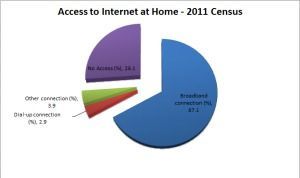
Source: Regional Statistics by ASGS, 2010–2014.

Space is becoming too crowded, Rocket Lab CEO warns
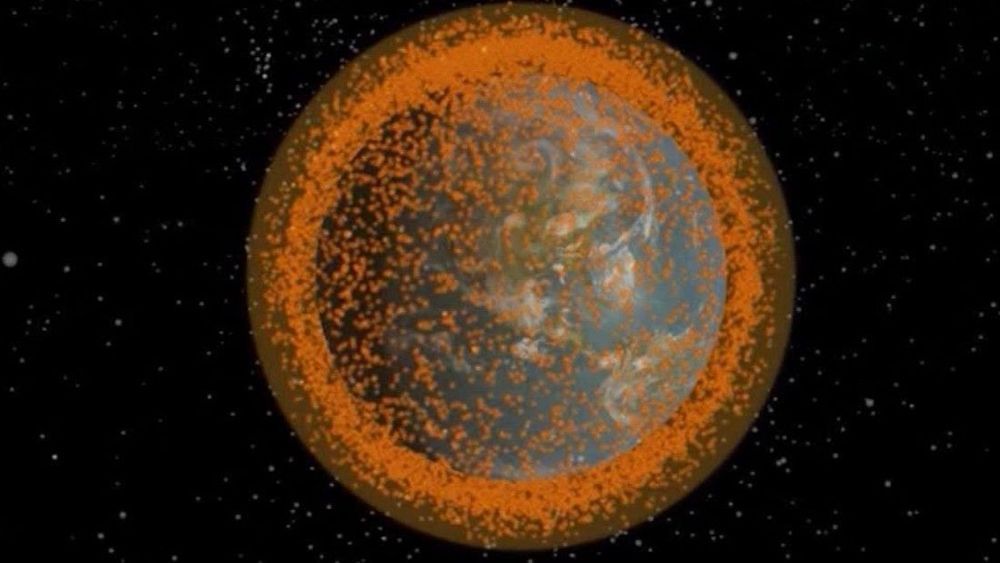
In 1978, NASA scientist Donald Kessler warned of a potential catastrophic, cascading chain reaction in outer space. Today known as “Kessler Syndrome,” the theory posited that space above Earth could one day become so crowded, so polluted with both active satellites and the detritus of space explorations past, that it could render future space endeavors more difficult, if not impossible.
Last week, the CEO of Rocket Lab, a launch startup, said the company is already beginning to experience the effect of growing congestion in outer space.
Rocket Lab CEO Peter Beck said that the sheer number of objects in space right now — a number that is growing quickly thanks in part to SpaceX’s satellite internet constellation, Starlink — is making it more difficult to find a clear path for rockets to launch new satellites.
SpaceX’s Satellite Internet Service Latency Comes in Under 20 Milliseconds
SpaceX disclosed the benchmarks in a presentation the company sent to the FCC last Friday. It also revealed the public beta for Starlink is coming to multiple US states.