Toggle light / dark theme

Scientists unveil new way to electrically control spin for ultra-compact devices using altermagnetic quantum materials

Spintronics, an emerging field of technology, exploits the spin of electrons rather than their charge to process and store information. Spintronics could lead to faster, more power-efficient computers and memory devices. However, most spintronic systems require magnetic fields to control spin, which is challenging in ultracompact device integration due to unwanted interference between components. This new research provides a way to overcome this limitation.

As published in Materials Horizons, a research team led by the Singapore University of Technology and Design (SUTD) has introduced a novel method to control electron spin using only an . This could pave the way for the future development of ultra-compact, energy-efficient spintronic devices.

Their findings demonstrate how an emerging type of magnetic material, an altermagnetic bilayer, can host a novel mechanism called layer-spin locking, thus enabling all-electrical manipulation of spin currents at room temperature.

Hidden side channels in quantum sources could compromise secure communication

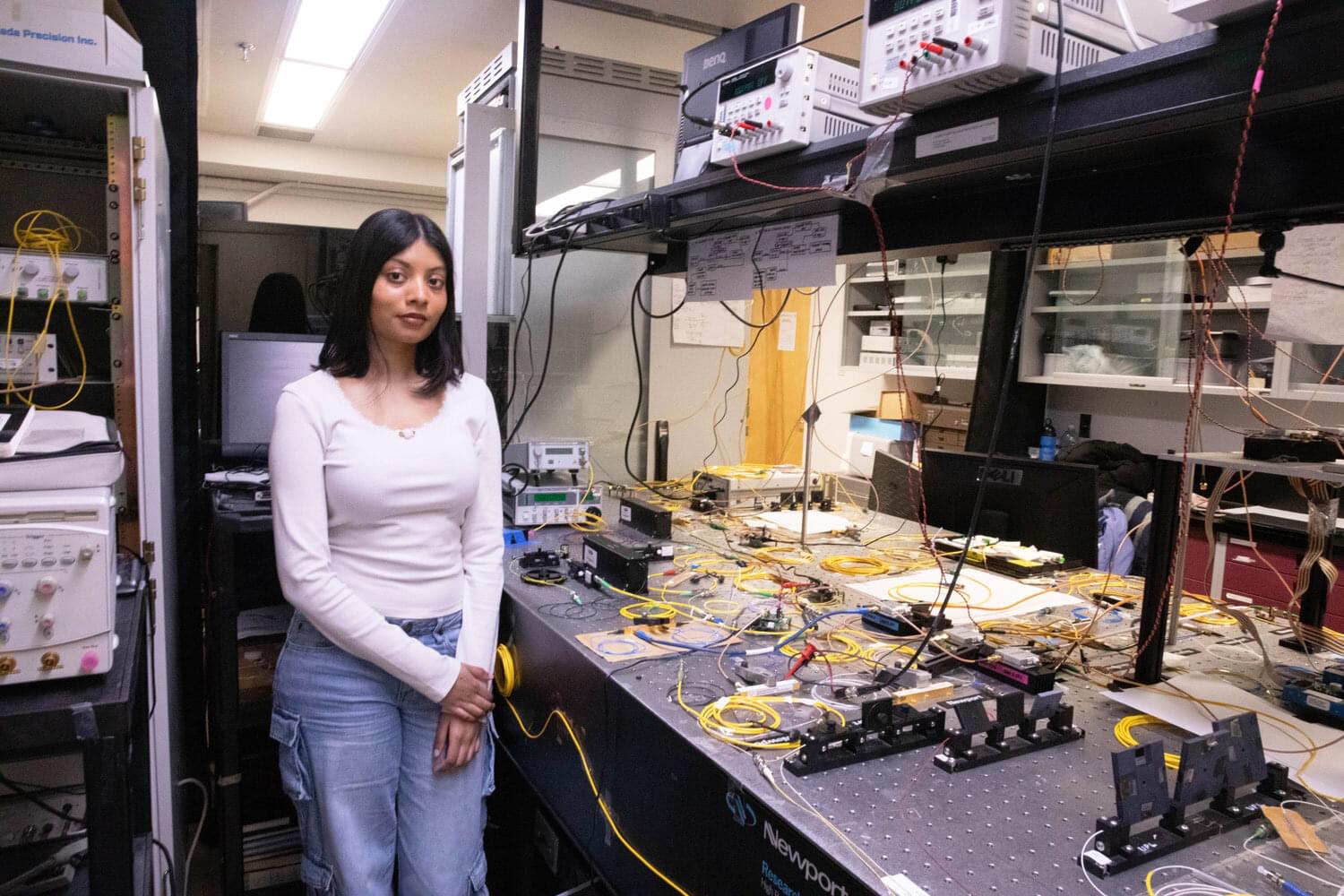
A team of researchers from University of Toronto Engineering has discovered hidden multi-dimensional side channels in existing quantum communication protocols.

The new side channels arise in quantum sources, which are the devices that generate the —typically photons—used to send secure messages. The finding could have important implications for quantum security.

“What makes quantum communication more secure than classical communication is that it makes use of a property of quantum mechanics known as conjugate states,” says Ph.D. student Amita Gnanapandithan, lead author on a paper published in Physical Review Letters.

Inside the Race to Build the Most Precise Clock in the Universe

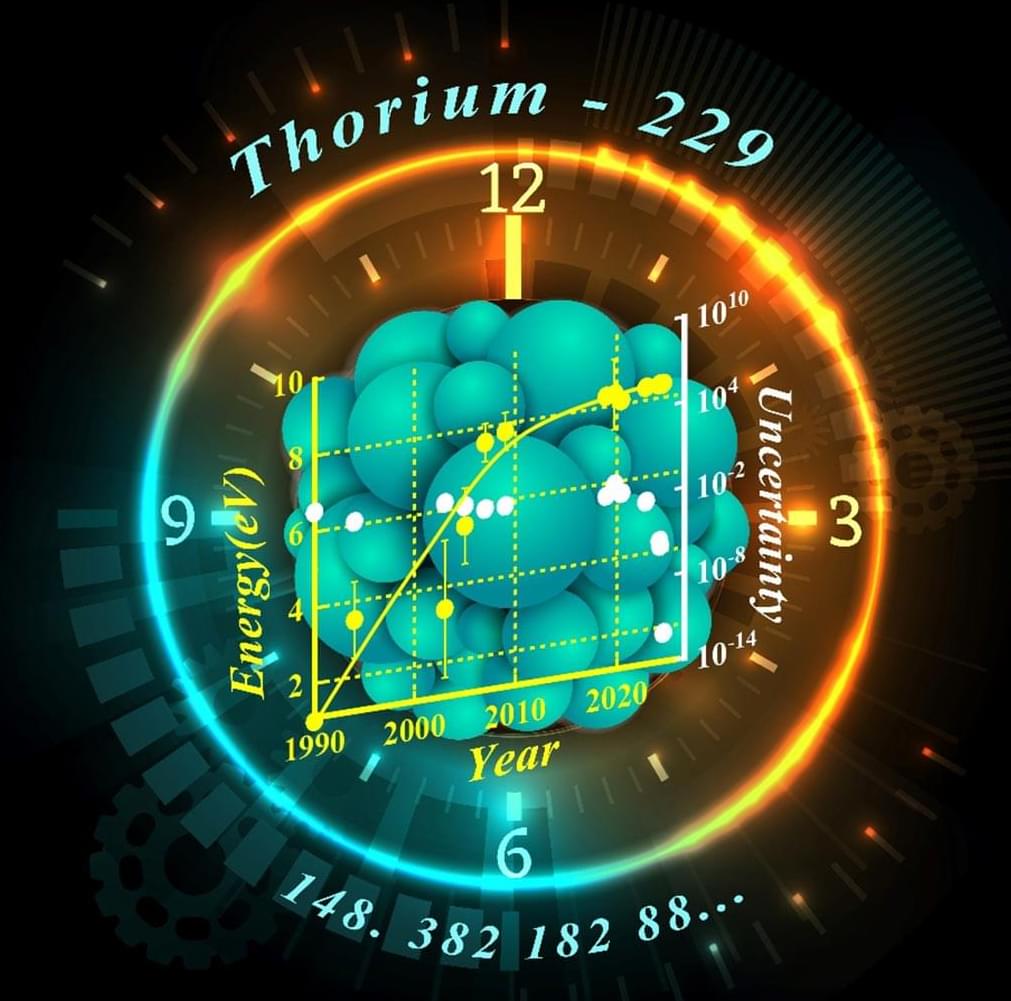
A revolutionary timekeeping breakthrough could be on the horizon as scientists explore the thorium-229 nuclear optical clock, an innovation that may surpass today’s atomic clocks.

By manipulating nuclear quantum states with lasers, researchers are pushing the boundaries of precision and stability in time measurement. Though the journey has spanned decades and major technical hurdles remain, recent experimental milestones have brought this futuristic clock closer to reality. If successful, it could reshape our understanding of time and the universe itself.

Pushing the Limits of Timekeeping.

New study achieves major advance towards fault-tolerant quantum computing

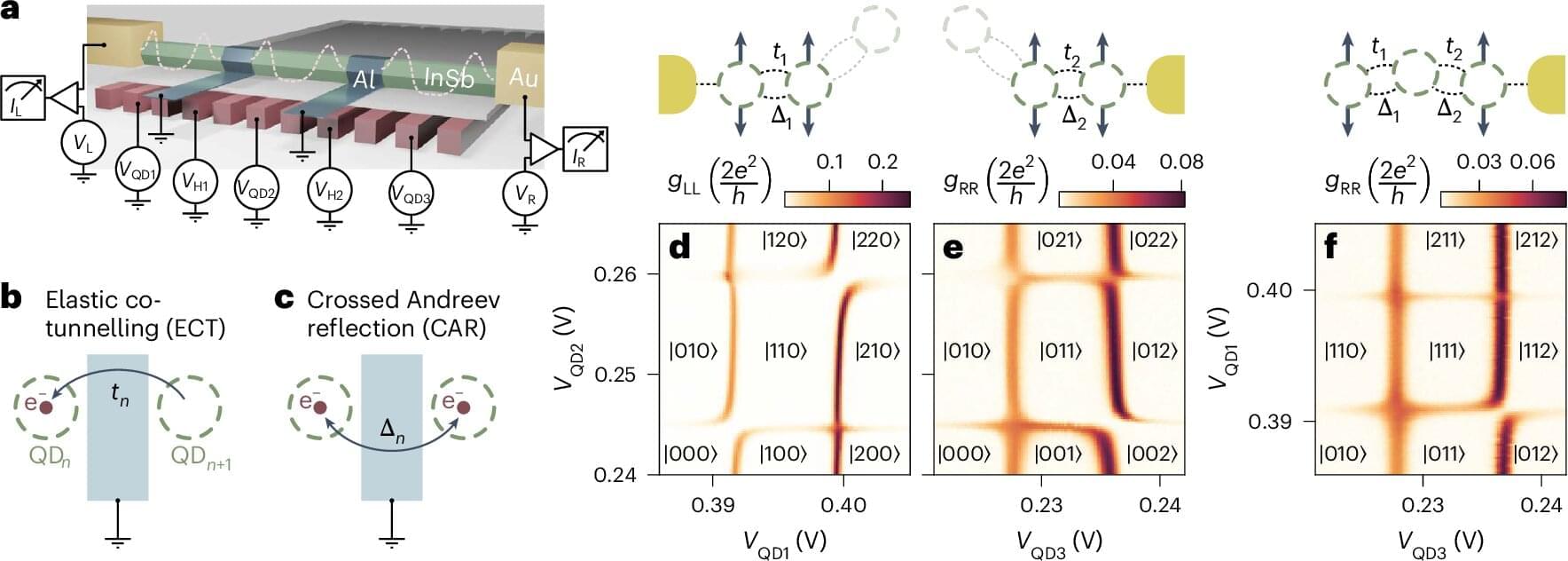
A study, “Enhanced Majorana stability in a three-site Kitaev chain,” published in Nature Nanotechnology demonstrates significantly enhanced stability of Majorana zero modes (MZMs) in engineered quantum systems.

This research, conducted by a team from the University of Oxford, Delft University of Technology, Eindhoven University of Technology, and Quantum Machines, represents a major step towards fault-tolerant quantum computing.

Majorana zero modes (MZMs) are exotic quasiparticles that are theoretically immune to environmental disturbances that cause decoherence in conventional qubits. This inherent makes them promising candidates for building robust quantum computers. However, achieving sufficiently stable MZMs has been a persistent challenge due to imperfections in traditional materials.

/* */