A quantum computer has used a single atom to model the complex dynamics of organic molecules interacting with light

One of the most profound open questions in modern physics is: “Is gravity quantum?” The other fundamental forces—electromagnetic, weak, and strong—have all been successfully described, but no complete and consistent quantum theory of gravity yet exists.
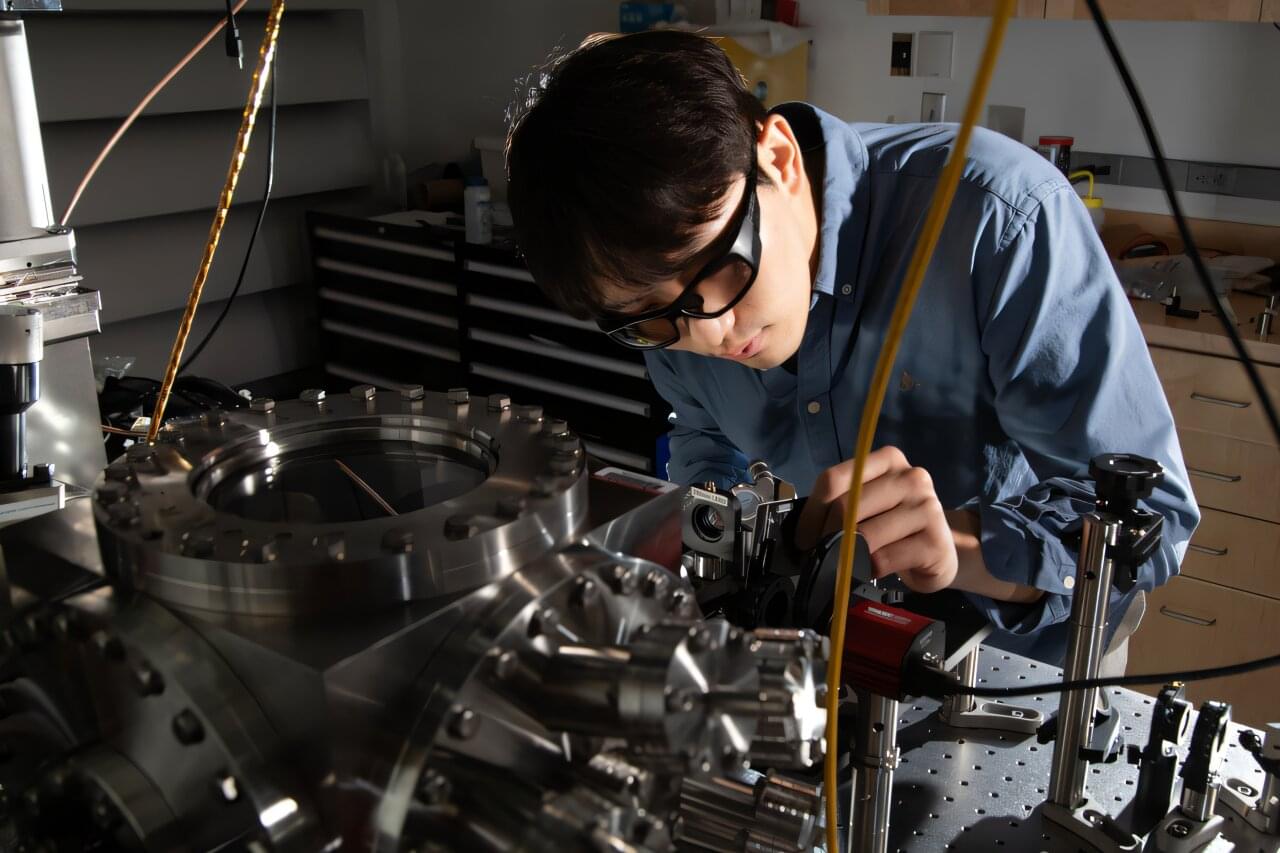
“Theoretical physicists have proposed many possible scenarios, from gravity being inherently classical to fully quantum, but the debate remains unresolved because we’ve never had a clear way to test gravity’s quantum nature in the lab,” says Dongchel Shin, a Ph.D. candidate in the MIT Department of Mechanical Engineering (MechE).
“The key to answering this lies in preparing mechanical systems that are massive enough to feel gravity, yet quiet enough—quantum enough—to reveal how gravity interacts with them.”
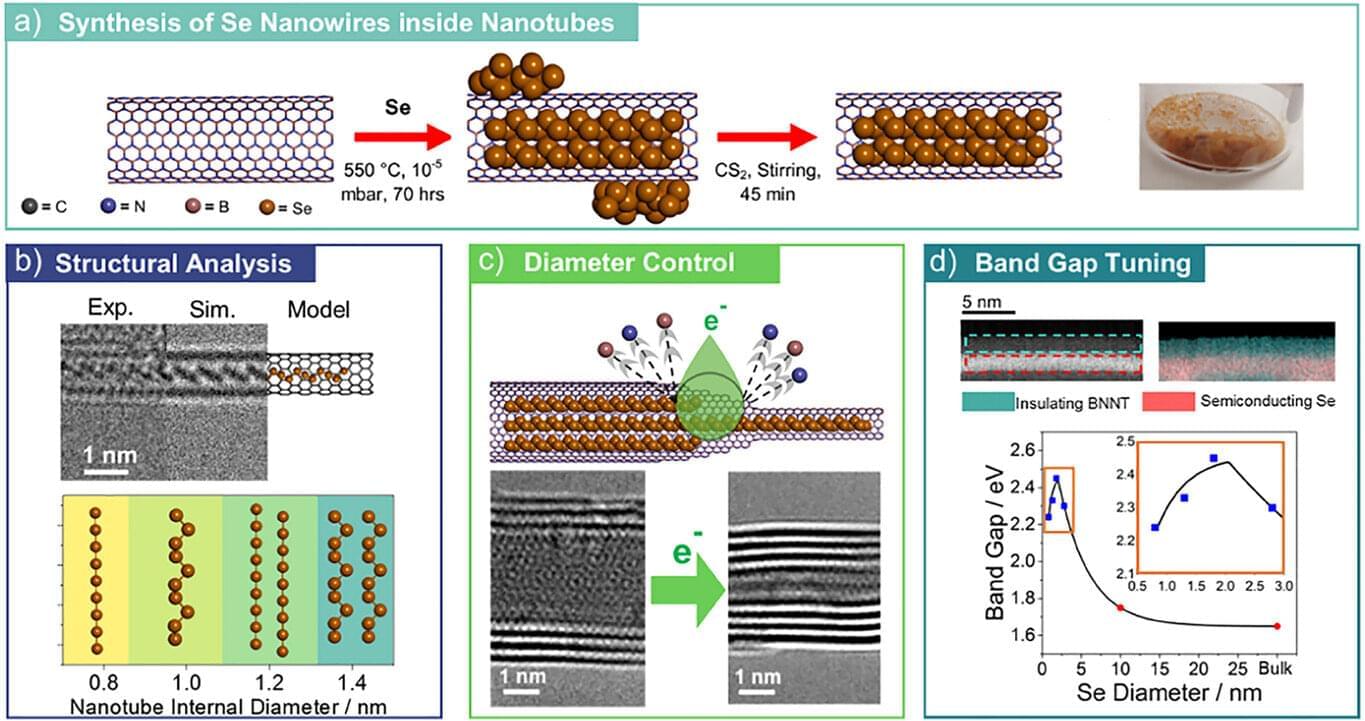
Professor Andrei Khlobystov, School of Chemistry, University of Nottingham, said, “We have investigated the ultimate limit for nanowire size while preserving useful electronic properties. This is possible for selenium because the phenomenon of quantum confinement can be effectively balanced by distortions in the atomic structure, thus allowing the band gap to remain within a useful range.”
The researchers hope that these new materials will be incorporated into electronic devices in the future. Accurately tuning the band gap of selenium by changing the diameter of the nanowire could lead to the design of a variety of customized electronic devices using only a single element.


Artificial intelligence (AI) agents and large-language models (LLMs), such as the model underpinning OpenAI’s conversational platform ChatGPT, are now widely used by people worldwide, both in informal and professional settings. Over the past decade or so, some of these models have also been adapted to tackle complex research problems rooted in various fields, including biology, physics, medical sciences and chemistry.
Existing computational tools employed by chemists are often highly sophisticated and complex. Their complexity makes them inaccessible to non-expert users and often even difficult for expert chemists to use.
Researchers at Matter Lab at the University of Toronto and NVIDIA have developed El Agente Q, a new LLM-based system that could allow chemists, particularly those specialized in quantum chemistry, to easily generate and execute quantum chemistry workflows, sequences of computational tasks required to study specific chemical systems at the quantum mechanical level.
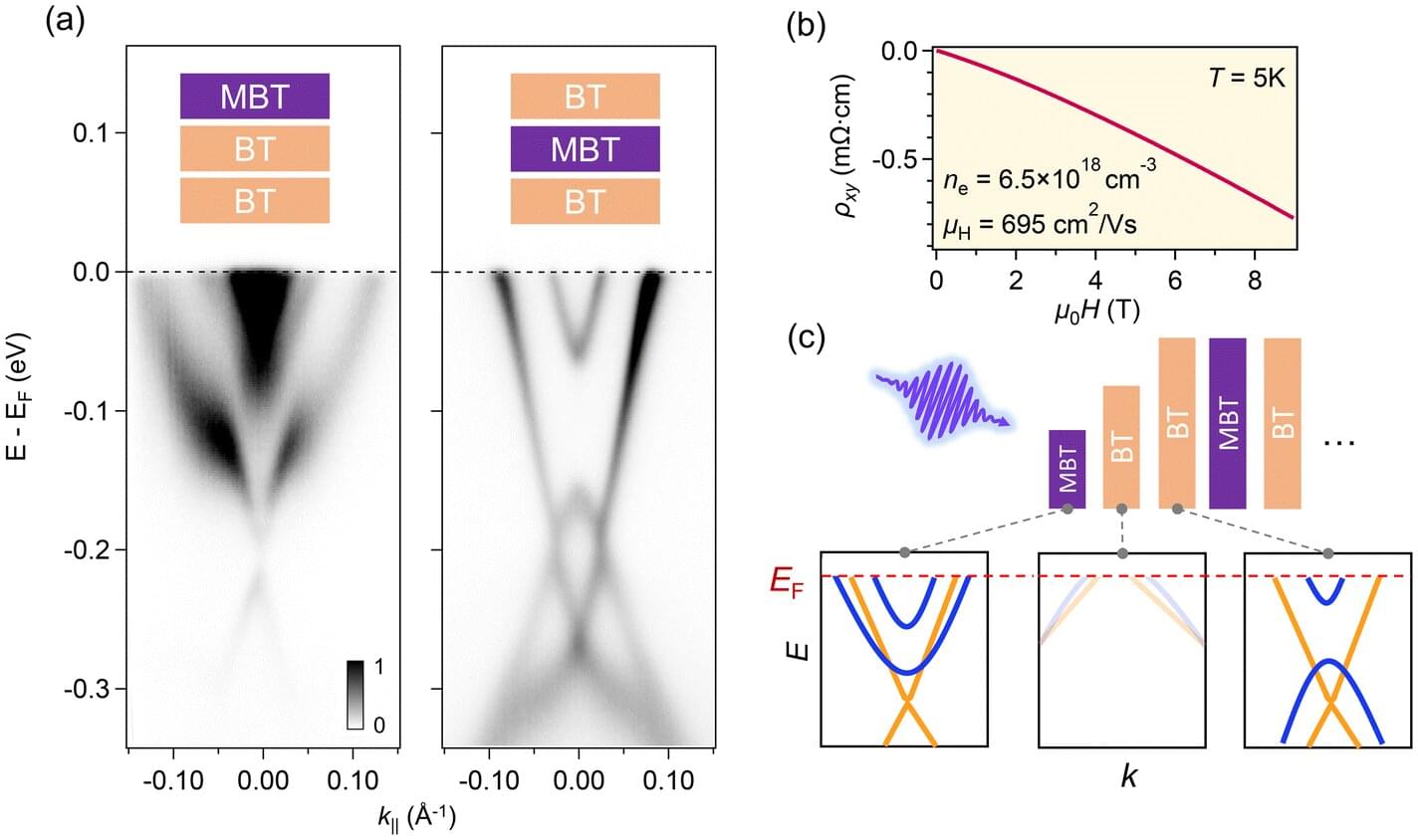
Scientists studying a promising quantum material have stumbled upon a surprise: within its crystal structure, the material naturally forms one of the world’s thinnest semiconductor junctions—a building block of most modern electronics. The junction is just 3.3 nanometers thick, about 25,000 times thinner than a sheet of paper.
“This was a big surprise,” said Asst. Prof. Shuolong Yang. “We weren’t trying to make this junction, but the material made one on its own, and it’s one of the thinnest we’ve ever seen.”
The discovery offers a way to build ultra-miniaturized electronic components, and also provides insight into how electrons behave in materials designed for quantum applications.
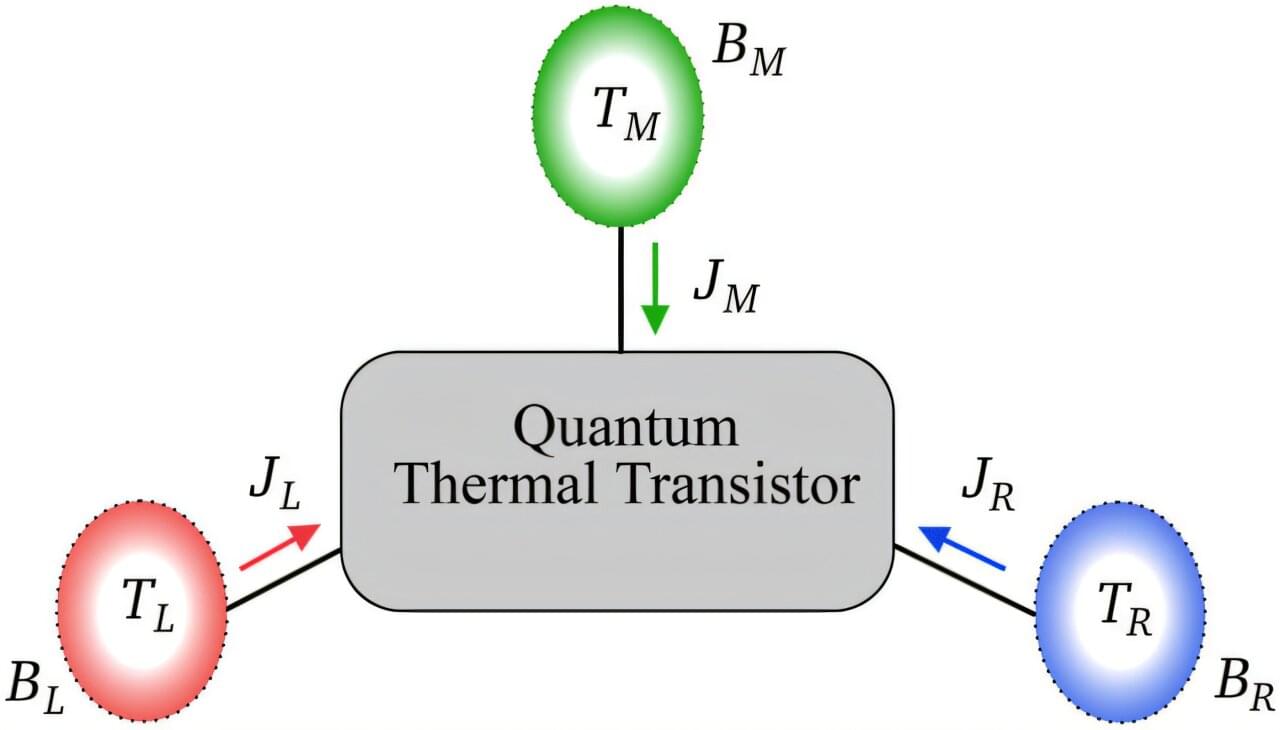
Transistors are the fundamental building blocks behind today’s electronic revolution, powering everything from smartphones to powerful servers by controlling the flow of electrical currents. But imagine a parallel world, where we could apply the same level of control and sophistication—not to electricity, but to heat.
This is precisely the frontier being explored through quantum thermal transistors, devices designed to replicate electronic transistor functionality at the quantum scale, but for heat.
The rapidly growing field of quantum thermodynamics has been making impressive strides, exploring how heat and energy behave when quantum mechanical effects dominate. Innovations such as quantum thermal diodes, capable of directing heat flow in a specific direction, and quantum thermal transistors, which amplify heat flows similarly to how electronic transistors amplify electric signals, are groundbreaking examples of this progress.
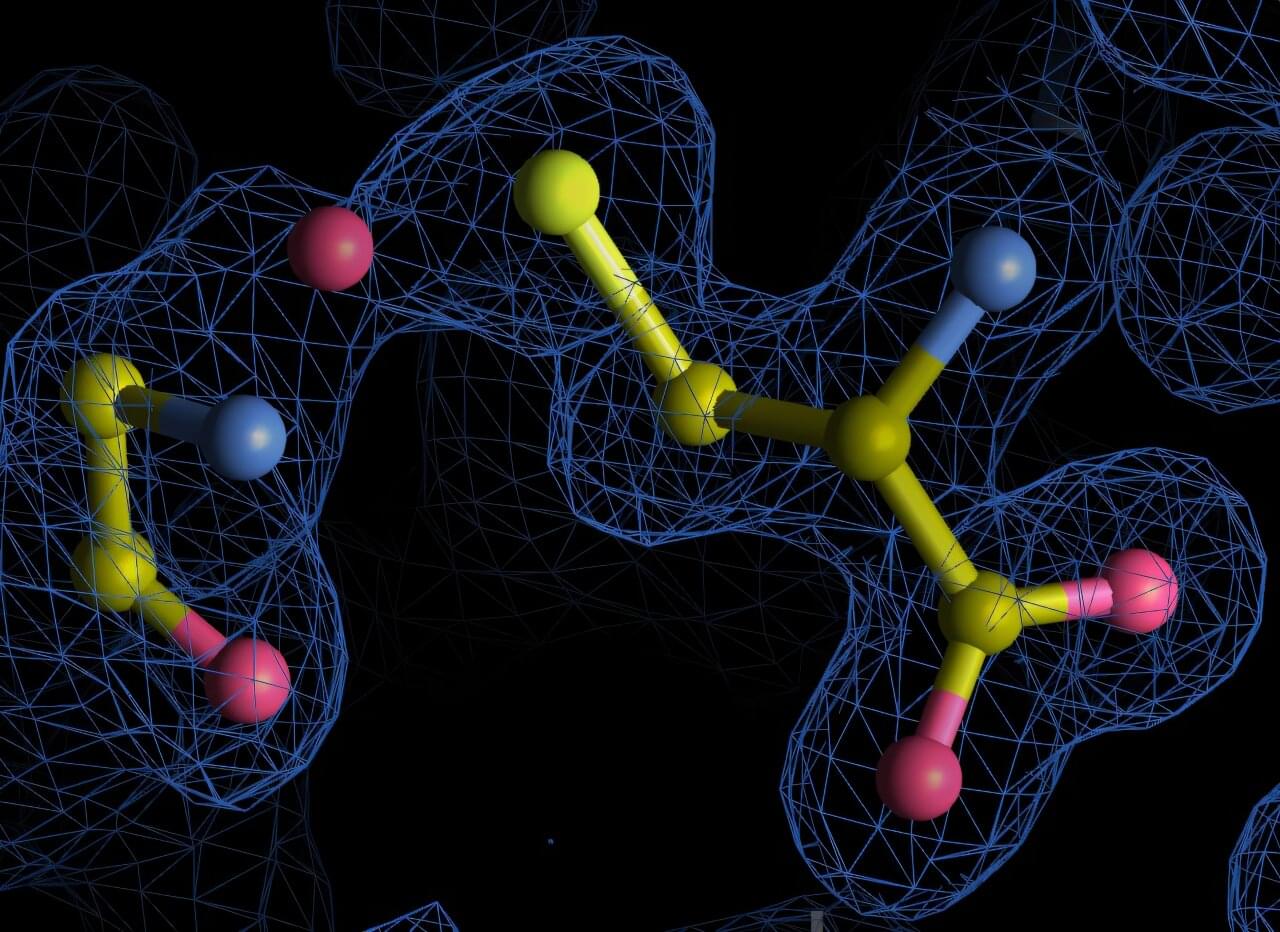
Proteins are among the most studied molecules in biology, yet new research from the University of Göttingen shows they can still hold surprising secrets. Researchers have discovered previously undetected chemical bonds within archived protein structures, revealing an unexpected complexity in protein chemistry.
These newly identified nitrogen-oxygen-sulfur (NOS) linkages broaden our understanding of how proteins respond to oxidative stress, a condition where harmful oxygen-based molecules build up and can damage proteins, DNA, and other essential parts of the cell. The new findings are published in Communications Chemistry.
The research team systematically re-analyzed over 86,000 high-resolution protein structures from the Protein Data Bank, a global public repository of protein structures, using a new algorithm that they developed inhouse called SimplifiedBondfinder. This pipeline combines machine learning, quantum mechanical modeling, and structural refinement methods to reveal subtle chemical bonds that were missed by conventional analyses.
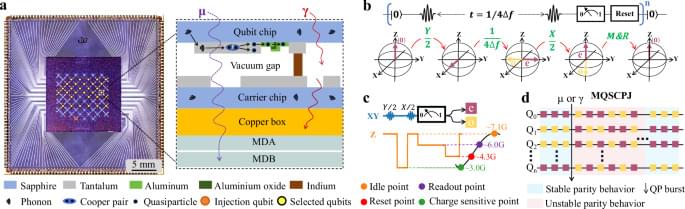
The correlated errors in superconducting qubits have been linked to high-energy particle impacts from cosmic rays, but a direct observation has been lacking. Here, the authors measure the quasiparticle bursts and correlated errors and separate the contributions of cosmic-ray muons and γ-rays in a 63-qubit processor.