Toggle light / dark theme

Novel CAR-T therapy achieves positive results in a high proportion of patients with a refractory type of lymphoma

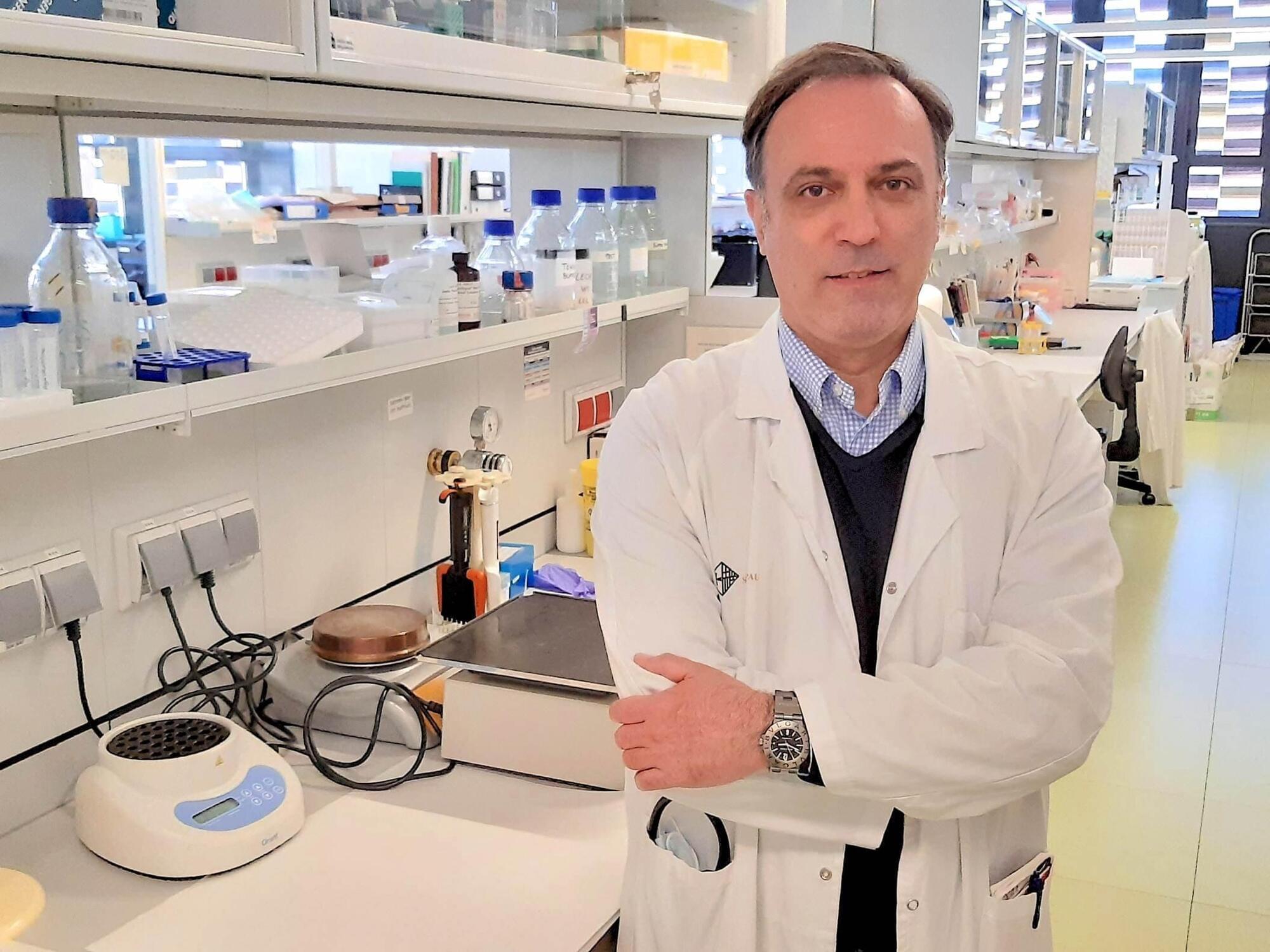
Researchers from the Sant Pau Research Institute (IR Sant Pau), in collaboration with Sant Pau Hospital and the Josep Carreras Leukemia Research Institute, have developed an innovative CAR-T cell therapy targeting the CD30 protein (HSP-CAR30), which has shown high efficacy in patients with refractory CD30+ lymphoma.

A Phase I clinical trial, whose results have been published in the journal Blood, reveals that this new CAR-T30 therapy promotes the expansion of memory T cells, leading to long-lasting responses and improved clinical outcomes in treated patients.

Hodgkin and other CD30+ lymphomas have posed a significant challenge to the medical community, particularly in refractory or relapsed cases where conventional treatments have so far shown limited efficacy.
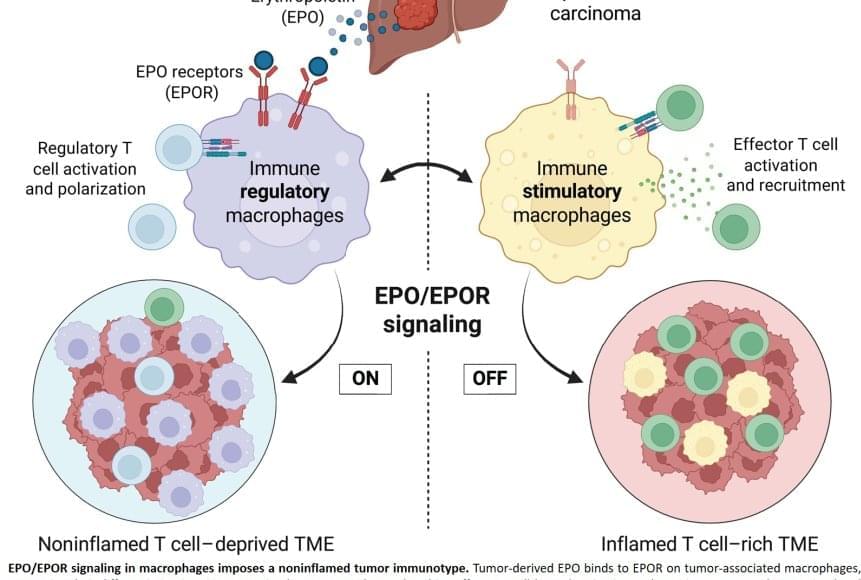

Tumor-derived erythropoietin acts as an immunosuppressive switch in cancer immunity

A protein identified nearly 40 years ago for its ability to stimulate the production of red blood cells plays a surprising, critical role in dampening the immune system’s response to cancer.

Blocking the activity of the protein turns formerly “cold,” or immune-resistant, liver tumors in mice into “hot” tumors teeming with cancer-fighting immune cells. When combined with an immunotherapy that further activates these immune cells against the cancer, the treatment led to complete regression of existing liver tumors in most mice. Treated animals lived for the duration of the experiment. In contrast, control animals survived only a few weeks.

“This is a fundamental breakthrough in our understanding of how the immune system is turned off and on in cancer,” said the senior author published the work in Science. “I could not be more excited about this discovery, and I hope treatments that target the mechanism we uncovered will quickly move forward to human trials.”

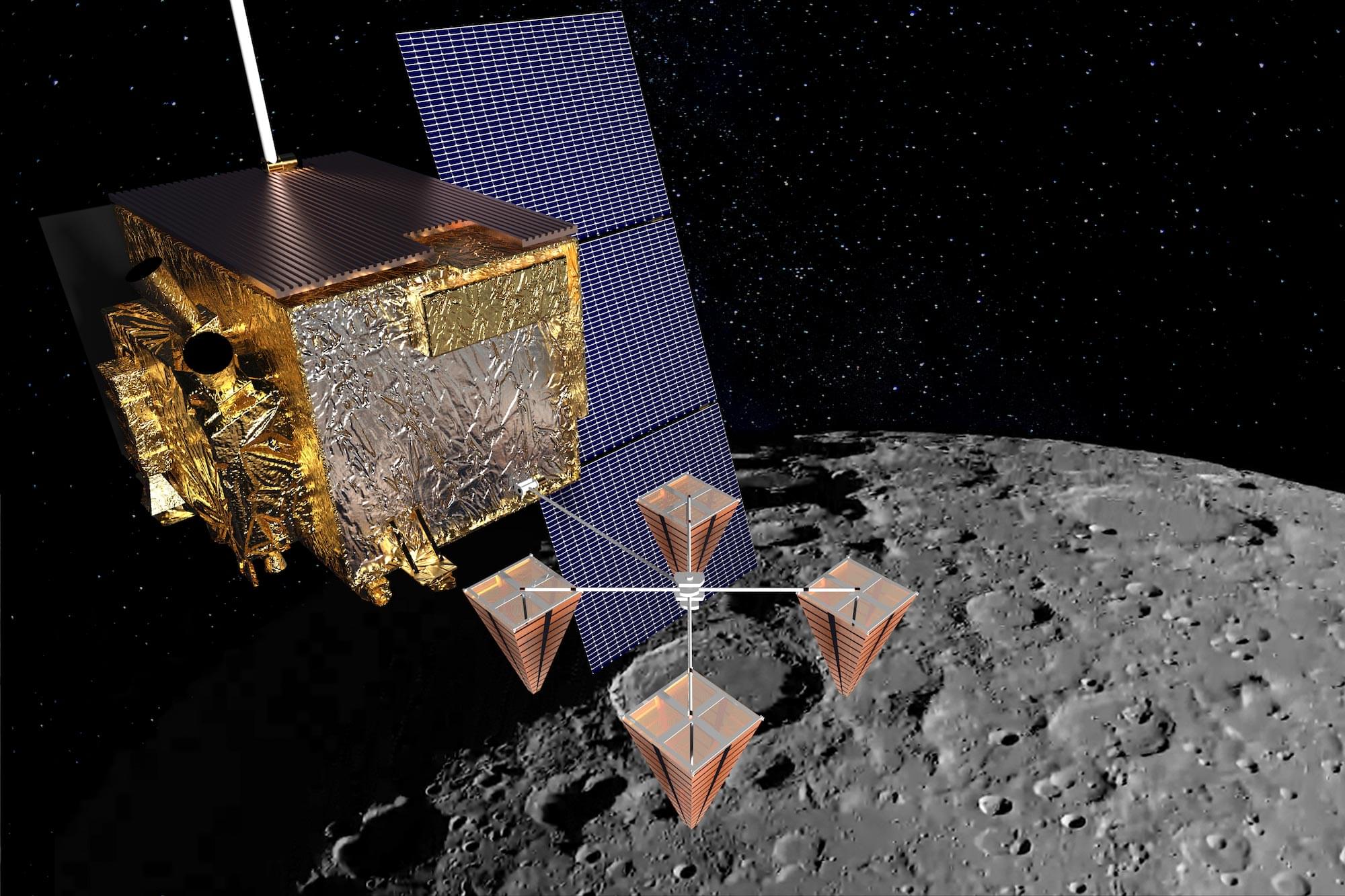
Secrets in the Shadows: ShadowCam and Cosmic Rays Uncover Moon’s Hidden Ice

Scientists are using cutting-edge techniques to track water ice on the Moon—an essential resource for future space missions.

A University of Hawai‘i team utilized ShadowCam to peer into the Moon’s perpetually dark craters, refining estimates of surface ice. Another team introduced a cosmic ray-based method to detect deeply buried ice, a breakthrough in lunar exploration. Both approaches could revolutionize how we locate usable water beyond Earth, with Hawai‘i emerging as a key player in the growing space frontier.

Unlocking lunar water: why ice on the moon matters.

/* */