As 6G development continues, China Mobile has successfully achieved another milestone by downloading a 50GB file in less than two seconds

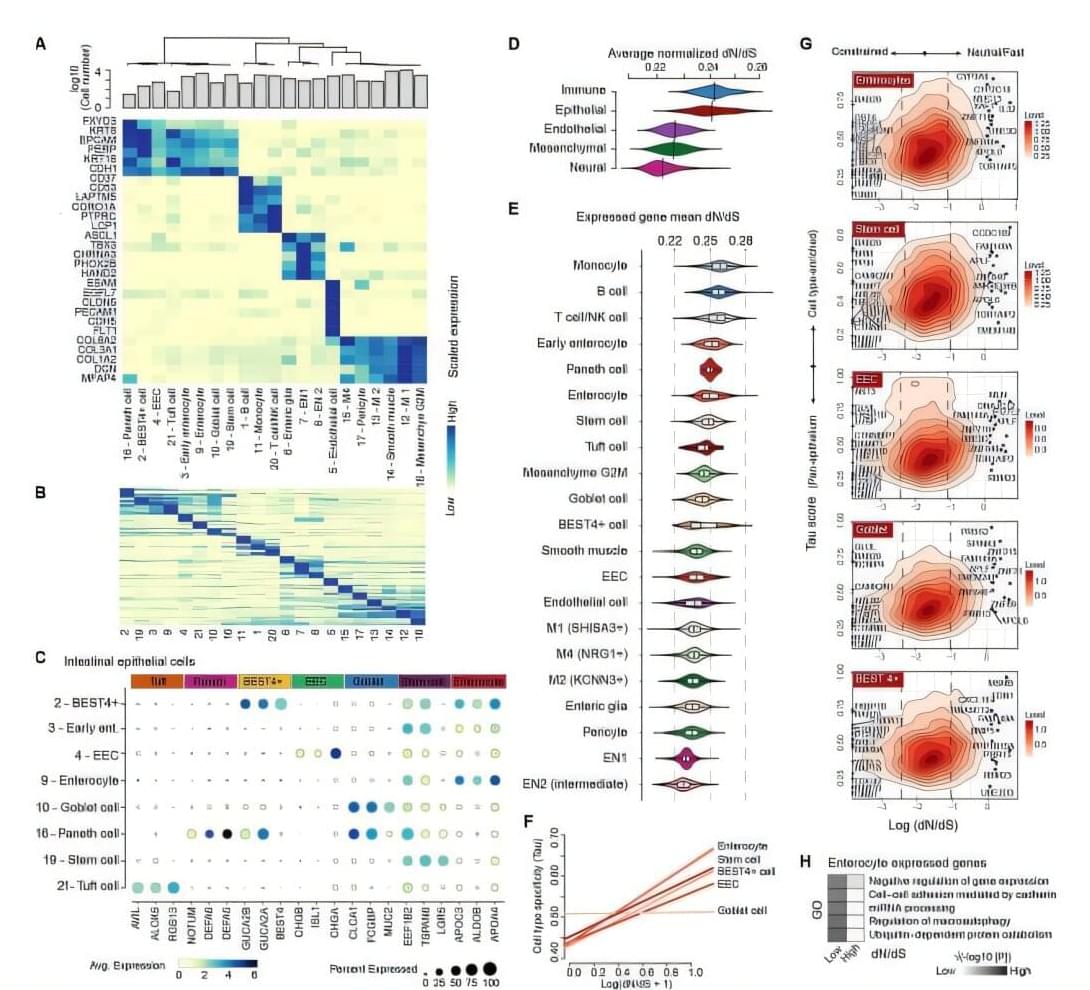
Research from an international team finds that the human gut is a site of rapid change, with recent and important deviations from other mammals, including our closest living relative, the chimpanzee.
Led by Gray Camp, Ph.D., of Roche Innovation Center in Basel, Switzerland; Jason Spence, Ph.D., of the University of Michigan and Craig Lowe, Ph.D., of Duke University, the team used stem cells to create human, chimp and mouse intestinal organoids—tiny models of the intestine that offer an unprecedented glimpse into the development of the small intestine.
The work was published in the journal Science.
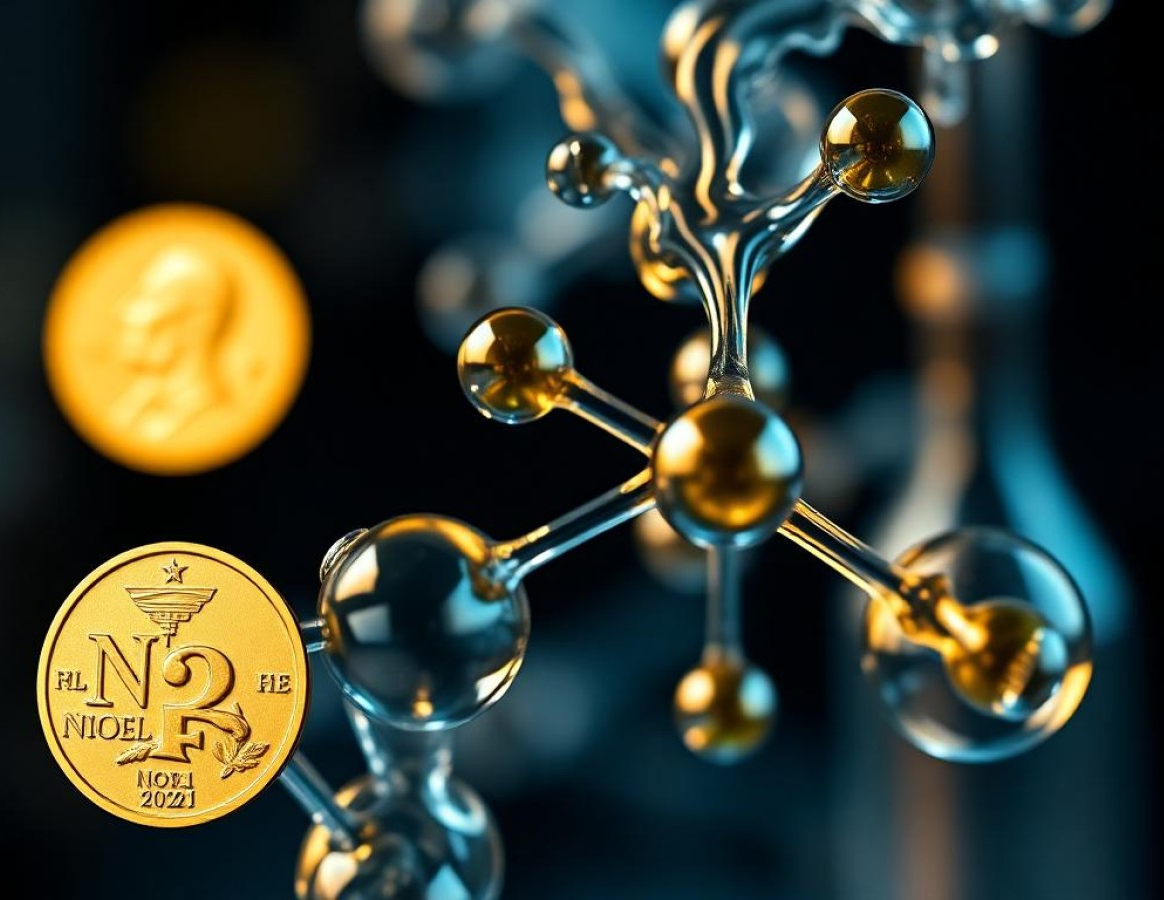
The 2022 Nobel Prize in Chemistry was awarded to Carolyn Bertozzi, K. Barry Sharpless, and Morten Meldal for pioneering the development of “click chemistry.” The trio will share a prize amounting to ten million Swedish kronor, approximately 925,000 euros.

Ransomware gangs have recently joined ongoing attacks targeting a Microsoft SharePoint vulnerability chain, part of a broader exploitation campaign that has already led to the breach of at least 148 organizations worldwide.
Security researchers at Palo Alto Networks’ Unit 42 have discovered a 4L4MD4R ransomware variant, based on open-source Mauri870 code, while analyzing incidents involving this SharePoint exploit chain (dubbed “ToolShell”).
The ransomware was detected on July 27 after discovering a malware loader that downloads and executes the ransomware from theinnovationfactory[.]it (145.239.97[.]206).

Scientists have found a way to supercharge lung cancer treatment by transplanting healthy mitochondria into tumors, which both boosts immune response and makes chemotherapy far more effective. By combining this novel method with cisplatin, researchers reversed harmful tumor metabolism and empowered immune cells to fight back, all without added toxicity.
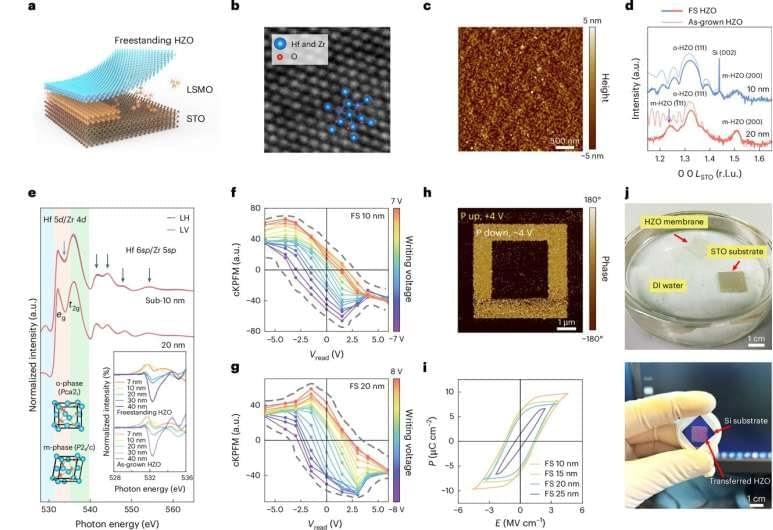
In a significant advancement for nanoelectronics, an international team of researchers from National Chung Hsing University, Kansai University, and National Cheng Kung University has developed a new strategy to integrate freestanding hafnium zirconium oxide (HZO) membranes into 2D field-effect transistors (FETs). This innovation, published in Nature Electronics, promises to overcome one of the main bottlenecks in the adoption of 2D semiconductors: the lack of scalable, high-κ dielectric integration.
Why 2D Semiconductors Need Better Gate Dielectrics
Two-dimensional semiconductors like molybdenum disulfide (MoS₂) have long been heralded as successors to silicon, offering exceptional electrical properties at atomically thin dimensions. However, their commercialization in logic devices has stalled due to a critical integration challenge: embedding a gate dielectric that both insulates and enables effective gate control.
With the simulation industry rapidly embracing digital technology, Korea Aerospace Industries (KAI) is driving innovation by adopting Unreal Engine. Discover how in this blog.
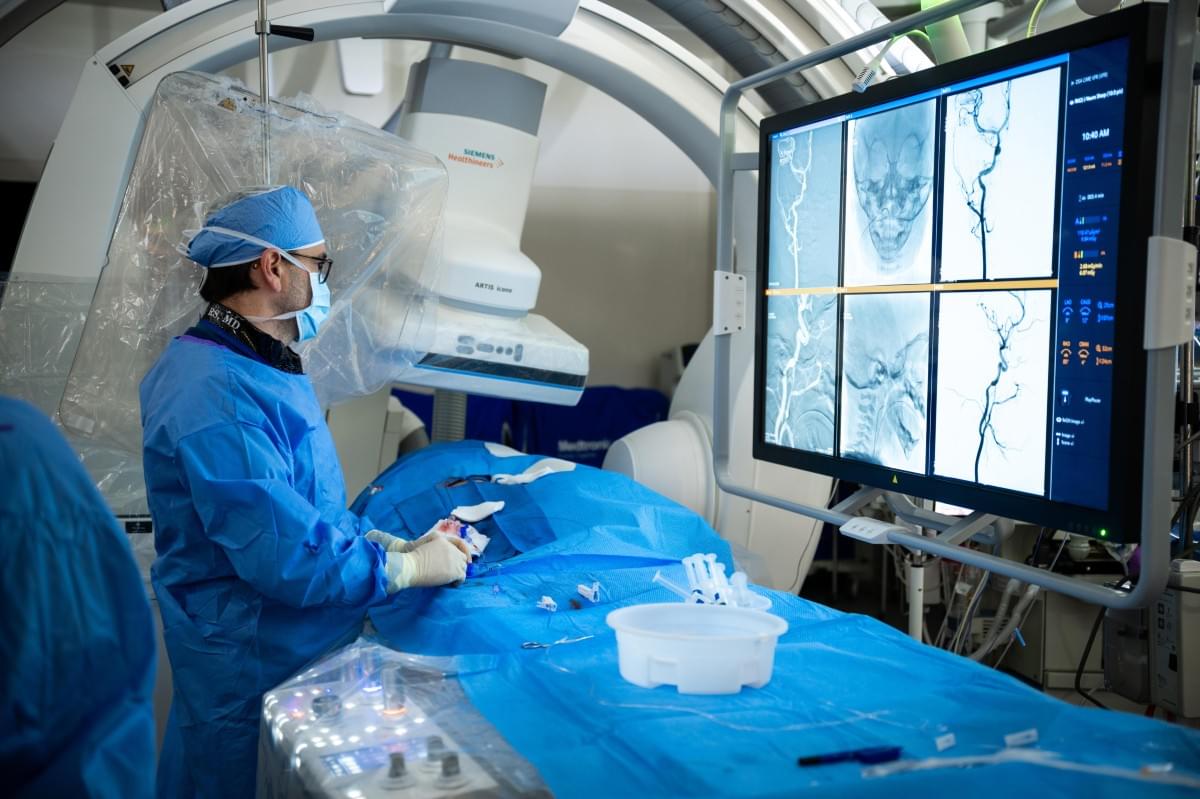
“It’s not a true aspiration catheter, but it can work,” says Sillero. “We have to be careful because the groin is very small at this age — you have to really think outside the box.”
Neurosurgical procedures are especially challenging when operating on kids under two, he explains, partly because medical supply companies don’t make miniature versions of devices such as catheters, since paediatric stroke and aneurysm (a bulge in a blood vessel) are so rare.
Sillero has overcome such challenges not only through improvisation, but thanks to Children’s Health’s innovative model for diagnosis and treatment, which encourages close collaboration between different specialists.
The team wanted to create a cinematic experience.