Toggle light / dark theme

A Pill That Makes Your Blood Deadly to Mosquitoes? It’s Real — And It Works

Ivermectin is typically used to treat neglected tropical diseases such as onchocerciasis (river blindness) and lymphatic filariasis (elephantiasis). However, studies have shown that it can also reduce malaria by killing mosquitoes that bite people who have taken the drug. As resistance to insecticides increases, ivermectin may offer a new and effective way to reduce transmission, especially in areas where standard methods are no longer reliable.

The BOHEMIA project (Broad One Health Endectocide-based Malaria Intervention in Africa), funded by Unitaid, tested this idea through two large-scale Mass Drug Administration (MDA) trials in regions with high malaria burden: Kwale County in Kenya and Mopeia district in Mozambique. Researchers evaluated whether giving a single monthly dose of ivermectin (400 mcg/kg) over three months at the start of the rainy season could lower malaria transmission. In Kenya, the program focused on children aged 5 to 15, while in Mozambique it targeted children under the age of five.


New haptic technology adds the sense of touch to virtual reality

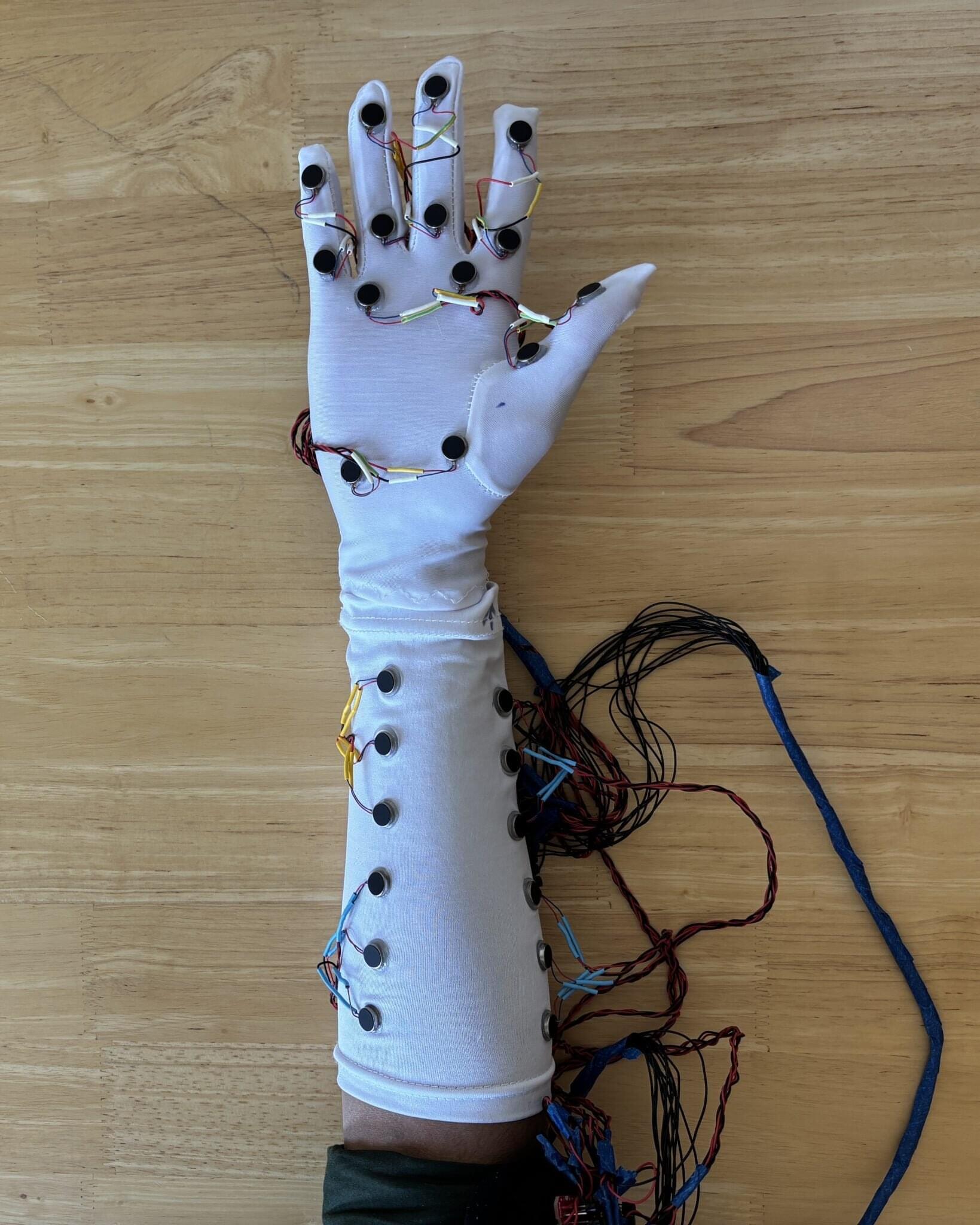
USC scientists have developed a wearable system that enables more natural and emotionally engaging interactions in shared digital spaces, opening new possibilities for remote work, education, health care and beyond.

Touch plays a vital role in how humans communicate and bond. From infancy through adulthood, physical contact helps foster emotional bonds, build trust and regulate stress. Yet in today’s increasingly digital world, where screens mediate many of our relationships, it is often missing.

To bridge the gap, researchers at the USC Viterbi School of Engineering have developed a wearable haptic system that lets users exchange physical gestures in and feel them in real time, even when they’re miles apart. Their paper is published on the arXiv preprint server.

Innovative robotic slip-prevention method could bring human-like dexterity to industrial automation

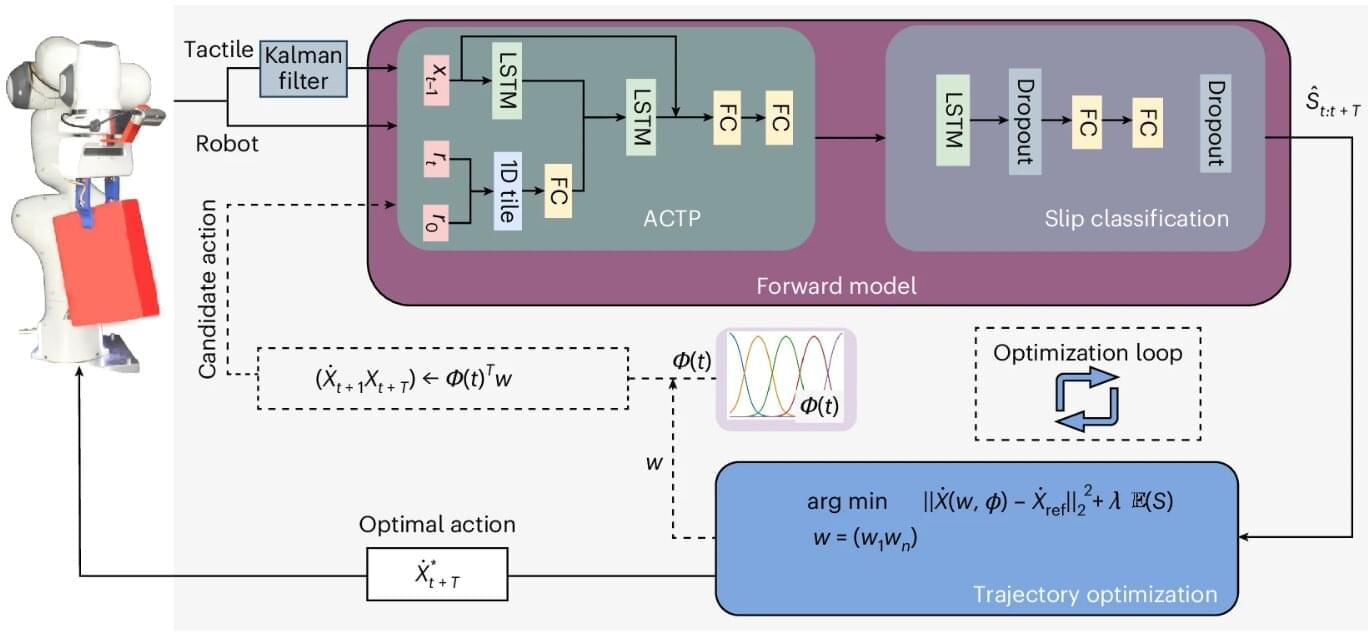
A new slip-prevention method has been shown to improve how robots grip and handle fragile, slippery or asymmetric objects, according to a University of Surrey–led study published in Nature Machine Intelligence. The innovation could pave the way for safer, more reliable automation across industries ranging from manufacturing to health care.

In the study, researchers from Surrey’s School of Computer Science and Electronic Engineering demonstrated how their approach allows robots to predict when an object might slip—and adapt their movements in to prevent it.

Similar to the way humans naturally adjust their motions, this bio-inspired method outperforms traditional grip-force strategies by allowing robots to move more intelligently and maintain a secure hold without simply squeezing harder.

A high-tech park is being built in Killeen

The establishment of a new business park in Killeen is underway.

Wolf Technology Park is set to inhabit 94-acres of real estate located on Texas Highway 195 in south Killeen.

“Wolf Technology Park is a cornerstone of our strategy to attract next-generation employers to Killeen,” Tyler Robert, vice president of the Killeen Economic Development Corporation, said. “With infrastructure investments already in place and sites ready for development, the park is well-positioned to support advanced manufacturing, federal services, health and life sciences, research and development, cybersecurity and semiconductor-related industries.”

Researchers create safer nonstick surface, cutting use of ‘forever chemicals’

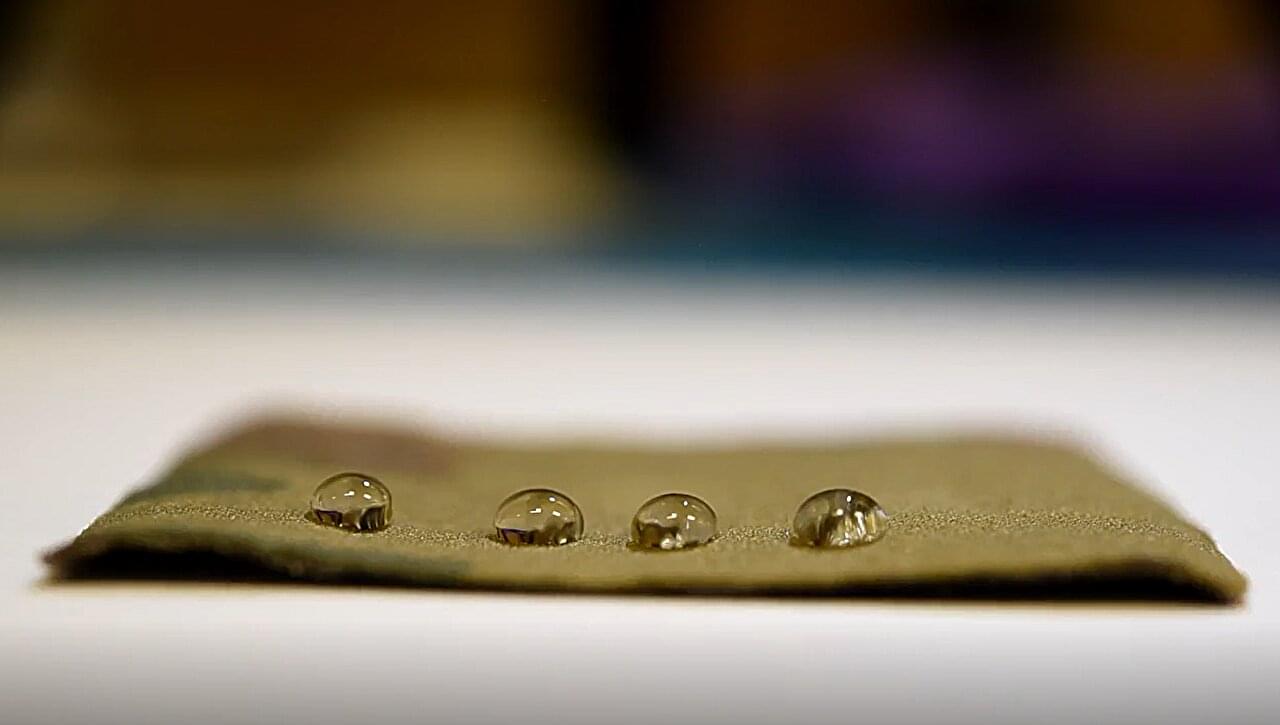
A new material developed by researchers from University of Toronto Engineering could offer a safer alternative to the nonstick chemicals commonly used in cookware and other applications.

The new substance repels both water and grease about as well as standard nonstick coatings—but it contains much lower amounts of per-and polyfluoroalkyl substances (PFAS), a family of chemicals that have raised environmental and health concerns.

“The research community has been trying to develop safer alternatives to PFAS for a long time,” says Professor Kevin Golovin, who heads the Durable Repellent Engineered Advanced Materials (DREAM) Laboratory at U of T Engineering.

Imaging Copper Levels during Life in the Brain and beyond Using a Fluorescent Copper Sensor with Multimodal Capacity

Copper is an essential trace element for normal development and function throughout the body, including the central nervous system (CNS). Alterations to cellular copper levels result in severe neurological consequences and are linked to a range of CNS disorders, positioning treatments that restore copper balance as promising therapies for these disorders. However, despite the clear relationship between copper balance and CNS health, there are limited tools to measure copper levels in vivo in humans. This constitutes a significant challenge for both diagnosing disorders of copper imbalance and monitoring the efficacy of copper-altering treatments for these disorders. Here we report the synthesis and characterization of Fluorine-labeled Naphthalimide Copper sensor 1 (F-NpCu1), a fluorescent sensor for copper that contains a fluorine atom for future radiolabeling for clinical application. We demonstrate that the probe exhibits good stability and is highly selective for copper above other transition metals present in biological tissues. Copper binding promotes covalent bond formation between the sensor and proximal cellular proteins. F-NpCu1 is nontoxic and can be measured using fluorescence microscopy in living cells and fixed tissue sections from both mouse brain and pancreas. Furthermore, F-NpCu1 exhibits good blood-brain-barrier permeability and can report differences in brain copper levels induced by copper modulating therapies in living mice using intravital fluorescence microscopy. This study represents a promising advance toward the development of the first clinical tool for measuring copper in living humans, including in the CNS, with radiolabeling studies underway to develop 18F-NpCu1 for PET imaging of copper in vivo.

/* */