Toggle light / dark theme

A coffee table that holds an electric fireplace is the ultimate winter essential

A fully electric hearth puts a modern spin on an ancient household fixture.

Fire and light have always been at the center of homes, be it a TV or a fireplace. The latter has, of course, become less practical these days, and its absence from many homes has also resulted in a shift in family interaction. “Hearth and home” is a phrase that still carries some meaning today, and a designer is bringing back that long-forgotten home centerpiece by making it not only more practical but also safe as well.

China Detected Water From the Moon’s Surface for the First Time

Adding to its space program’s growing list of achievements.

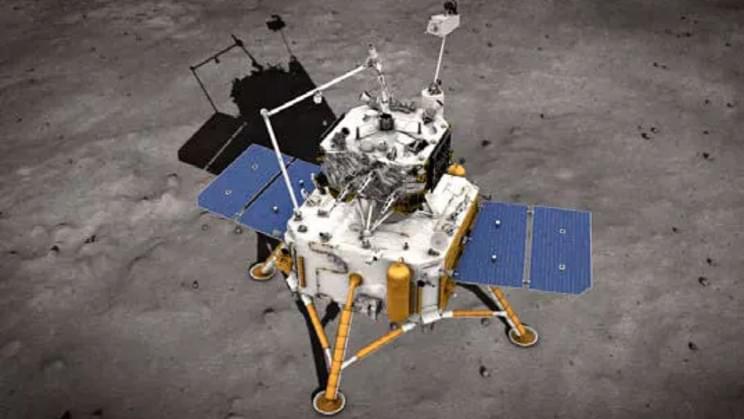
China’s space program (CNSA) is the first to detect water signals directly from the Moon’s surface thanks to its Chang’e-5 lunar probe, a report from CGTN reveals.

The new breakthrough provides yet another important milestone for the CNSA, which is ambitiously closing the gap between itself and the world’s two historic space superpowers, the U.S. and Russia.

The first in-situ lunar water detection For years, thanks to a number of orbital observations and sample measurements, it has been known that water exists on the Moon. In fact, last year a California-based startup called Masten Space Systems announced it is developing a robotic rover that can mine ice on the Moon to provide future lunar habitats with water and oxygen.

Full Story:

This tiny home on wheels uses colourful windows to create a fun space for a young family

Planedennig is a tiny home on wheels built for a mother and her young son to balance playtime with relaxation.

Considering the number of tiny homes to come out of recent years, distinguishing one tiny home from another can be hard. After all, there’s only so much space to work with, many tiny home builders prioritize efficiency and function over unique design. Then, there are always the unicorns that have it all.

3D-printed home cuts construction time from 4 weeks to 28 hours, says Habitat for Humanity

Virginia mom April Stringfield is now the owner of Habitat for Humanity’s first 3D-printed home — built in record time, thanks to new construction tech.

The massive time and money savings from 3D printing means the nonprofit is very likely to print more in the future.

The American dream: Home ownership is one of the best ways to improve your economic standing in the U.S., as it can help you build equity and improve your credit score.

KhalifaSat beams back impressive pictures of Dubai from space

KhalifaSat, the first entirely Emirati-made satellite, captured the impressively clear image, along with an array of other shots of some of Dubai’s most popular destinations.

Among the images released on Twitter included a full view of Downtown Dubai, with the shadow of the Burj Khalifa, the world’s tallest building, cast over the Dubai Mall.

Several images of the Dubai Canal also featured among the snaps shared online on Friday.

Affordable solar homes — a solution for homeowner poverty & net-zero housing!

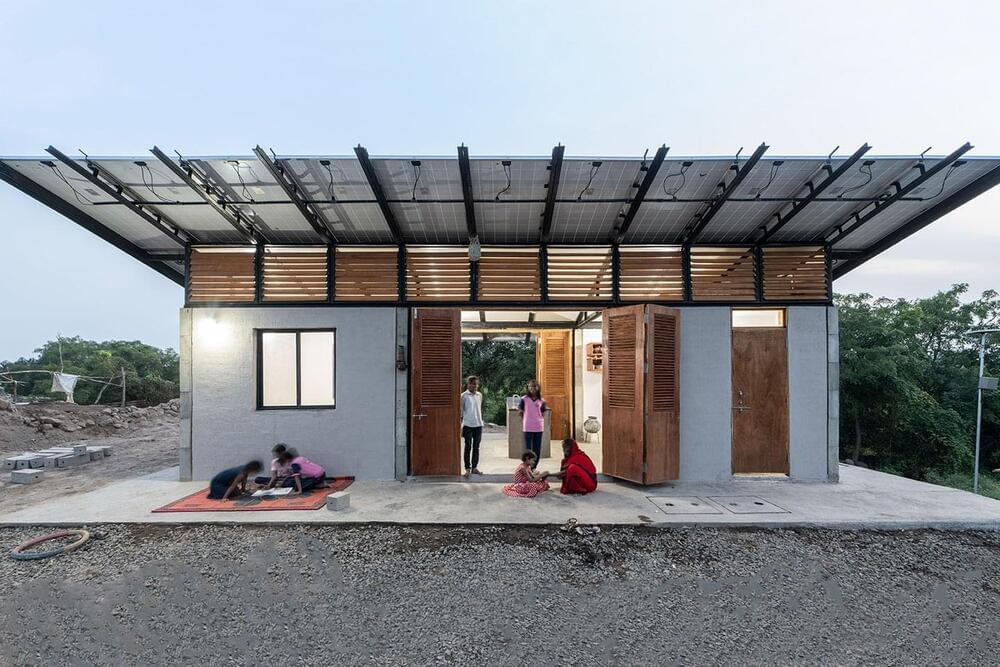
Net-zero architecture is what will reduce emissions from the construction industry on a large scale. But make it inclusive as well as scalable and you also get a solution that can lift homeowners out of poverty while building a community! Created for that very purpose, these solar homes are aiming to help solve both the global housing and climate crises with one design. The houses produce their energy, harvest 100% of the rainwater, clean their sewage, and also have the potential to grow their own food!

It is called the PowerHYDE housing model and was created by Prasoon Kumar and Robert Verrijt of Billion Bricks from India and Singapore. The model explores sustainable solutions to empower and facilitate growth opportunities for people without homes around Southeast Asia which has a lot of rural and low-income populations. These homes not only provide shelter but are also a power module to scale sustainable communities that lift homeowners out of poverty!

Solar Farms Could Boost Bumblebee Populations, Study Says

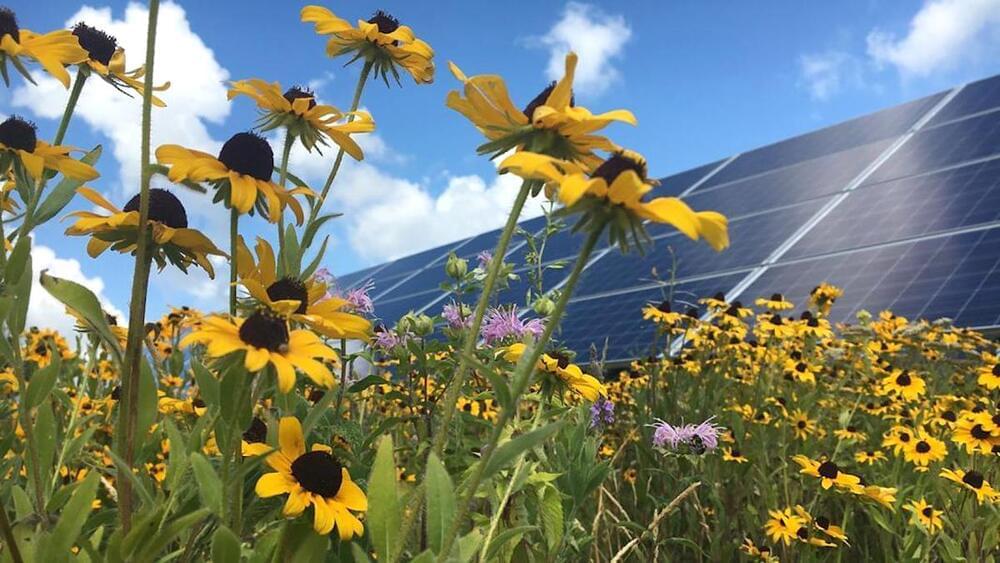
A new study finds that installing solar farms could become a two birds, one stone situation, as these areas can also double as thriving pollinator habitats if land owners allow meadows to grow around the solar panels.

The study, from researchers at Lancaster University in the UK that will be presented today at an Ecology Across Borders conference, shows that installing solar farms could be greatly beneficial to nature.

“Our findings provide the first quantitative evidence that solar parks could be used as a conservation tool to support and boost pollinator populations. If they are managed in a way that provides resources, solar parks could become [a] valuable bumble bee habitat,” said Hollie Blaydes, associate lecturer and doctorate student at the university. “In the UK, pollinator habitat has been established on some solar parks, but there is currently little understanding of the effectiveness of these interventions. Our findings provide solar park owners and managers with evidence to suggest that providing floral and nesting resources for bumble bees could be effective.”


/* */