Toggle light / dark theme

The latest on nucleotide therapy development

Oligonucleotide therapies — engineered strands of DNA or RNA — are transforming modern medicine. These cutting-edge treatments bring a new level of precision in combating disease by targeting specific genes to be silenced, activated or edited. “Nucleotide therapeutics allow us to design predictable outcomes by modifying sequences to address almost any condition,” says Peter Guterstam, product manager at biotechnology company Cytiva.

Due to an influx of research in recent years, many nucleotide-based drug candidates, including genetic therapies and vaccines for cancer and viral infections, are now in advanced clinical trial stages. “The development timeline is much quicker than we are used to,” notes Guterstam.


Significant challenges arise during development of RNA and DNA based therapies. From mRNA vaccines to gene editing, scientists are refining delivery methods, optimizing synthesis, and tackling scaling hurdles.

Largest genetic study to date identifies 13 new DNA regions linked to dyslexia

Dyslexia is a neurodevelopmental condition estimated to affect between 5–10% of people living in most countries, irrespective of their educational and cultural background. Dyslexic individuals experience persistent difficulties with reading and writing, often struggling to identify words and spell them correctly.

Past studies with twins suggest that is in great part heritable, meaning that its emergence is partly influenced by inherited from parents and grandparents. However, the exact genetic variants (i.e., small differences in DNA sequences) linked to dyslexia have not yet been clearly delineated.

Researchers at University of Edinburgh, the Max Planck Institute for Psycholinguistics and various other institutes recently carried out the largest genome-wide association study to date exploring the genetic underpinnings of dyslexia. Their paper, published in Translational Psychiatry, identifies several previously unknown genetic loci that were found to be linked to an increased likelihood of experiencing dyslexia.

Next-generation T cell immunotherapies engineered with CRISPR base and prime editing: challenges and opportunities

T cells can be reprogrammed with transgenic antigen recognition receptors, including chimeric antigen receptors and T cell receptors, to selectively recognize and kill cancer cells. Such adoptive T cell therapies are effective in patients with certain haematological cancers but challenges persist, including primary and secondary resistance, a lack of efficacy in patients with solid tumours, a narrow range of targetable antigens, and time-consuming and complex manufacturing processes. CRISPR-based genome editing is a potent strategy to enhance cellular immunotherapies. Conventional CRISPR–Cas9 systems are useful for gene editing, transgene knock-in or gene knockout but can result in undesired editing outcomes, including translocations and chromosomal truncations. Base editing and prime editing technologies constitute a new generation of CRISPR platforms and enable highly precise and programmable installation of defined nucleotide variants in primary T cells. Owing to their high precision and versatility, base editing and prime editing systems, hereafter collectively referred to as CRISPR 2.0, are advancing to become the new standard for precision-engineering of cellular immunotherapies. CRISPR 2.0 can be used to augment immune cell function, broaden the spectrum of targetable antigens and facilitate streamlined production of T cell therapies. Notably, CRISPR 2.0 is reaching clinical maturity, with multiple clinical trials of CRISPR 2.0-modified cellular therapies currently ongoing. In this Review, we discuss emerging CRISPR 2.0 technologies and their progress towards clinical translation, highlighting challenges and opportunities, and describe strategies for the use of CRISPR 2.0 to advance cellular immunotherapy for haematological malignancies and solid tumours in the future.

#CRISPR9


Several persistent challenges limit the efficacy and applicability of adoptive T cell therapies for cancer, including suboptimal function and/or persistence in vivo, a narrow range of targetable antigens and complex manufacturing processes. This Review discusses the potential of ‘CRISPR 2.0’ precision gene-editing platforms, such as base editing and prime editing to address all of these challenges, and describes the progress made towards clinical translation of these technologies.

Slot DANA? Situs Slot Online Gacor Deposit Qris DANA Pulsa 10k Scatter Hitam

Hi everybody. I’m writing to you because we are reaching an important moment in our reproduction of Harold Katcher’s seminal study of rats rejuvenation, in which we are only 9 months from starting the injections but we raised 71% of the total cost of the experiment. We already published the article of our 2024 experiment in a peer-reviewed journal (https://journals.tmkarpinski.com/index.php/ejbr/article/view/772), in which we injected the Pig Plasma Extracellular Particles (PPEPs) in young rats to assess a potential acute immunogenicity or toxicity — without any negative effect observed. Nina Torres Zanvettor (cofounder of ICR together with me) and I were interviewed some weeks ago by Eleanor Sheekey in her YouTube channel (https://youtu.be/Q-lS1UMHG1o?si=ImDWycjM8r8-KpyF), as we are trying to spread the word about the experiment and the crowdfunding. We are making the experiment in collaboration with Unicamp university and Dr. Marcelo Mori, a world-class aging scientist. The rats are already aging in the university facility and we are preparing the epigenetic age measurements with Horvath’s foundation (Clock Foundation), but we still have to raise 29% (US$21,000) of the total cost (US$75,000).

(https://youtu.be/Q-lS1UMHG1o

We will publish everything (methods, materials and results) immediately, but we need the help of the community too, as we will give back all the information for the community. Could you help us to fund the study? Any amount is important. The link to make a donation is https://www.rejuvenescimento.org/donation. I don’t even consider it precisely a “donation”, but a financial collaboration, as the “donor” would be able to use the information, and maybe they can also use the rejuvenation technology that some day would arise from this research. By the way, if we manage to rejuvenate the rats, we will then try to keep them young as long as we can, in a longevity experiment. Also, if we rejuvenate the rats, we will carry out a safety experiment in a Good Laboratory Practices facility here in Brazil that would allow regulatory approval to try the therapy in human patients who don’t have any other alternative to be kept alive — we expect to be able to carry out those human trials in 2028. So we intend to go all the way to the clinic, if we confirm Katcher’s results.


Slot DANA merupakan bentuk kerja sama situs slot online yang selalu menghadirkan keuntungan besar dalam setiap permainan slot gacor deposit QRIS dana pulsa 10K terbaru bonus scatter hitam.

Scientists just found the “master switch” for plant growth

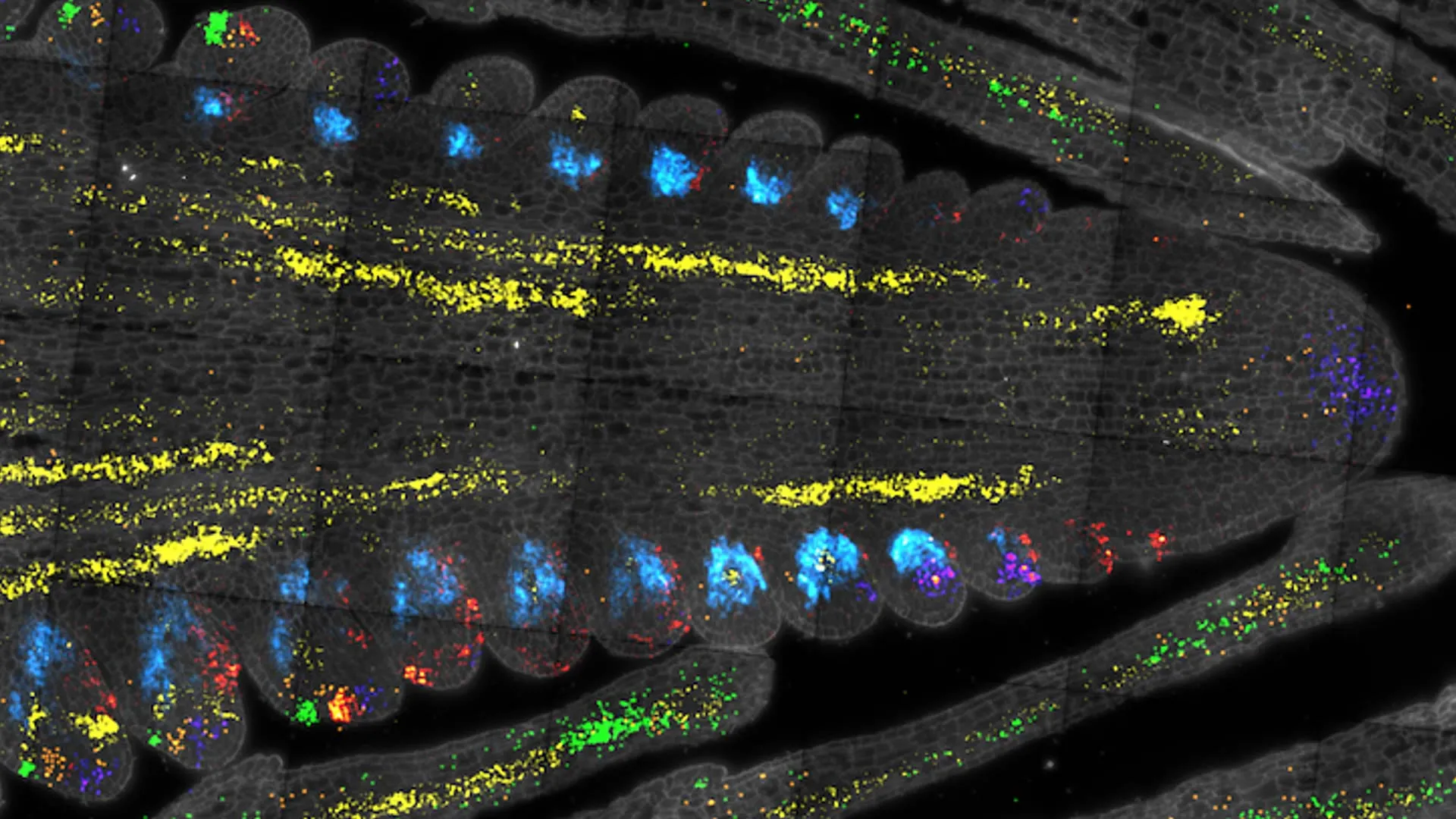
Scientists at Cold Spring Harbor Laboratory have cracked open the secrets of plant stem cells, mapping key genetic regulators in maize and Arabidopsis. By using single-cell RNA sequencing, they created a gene expression atlas that identifies rare stem cell regulators, links them to crop size and productivity, and offers a new roadmap for breeding resilient, high-yield plants.

Neuromorphic Intelligence Leverages Dynamical Systems Theory To Model Inference And Learning In Sustainable, Adaptable Systems

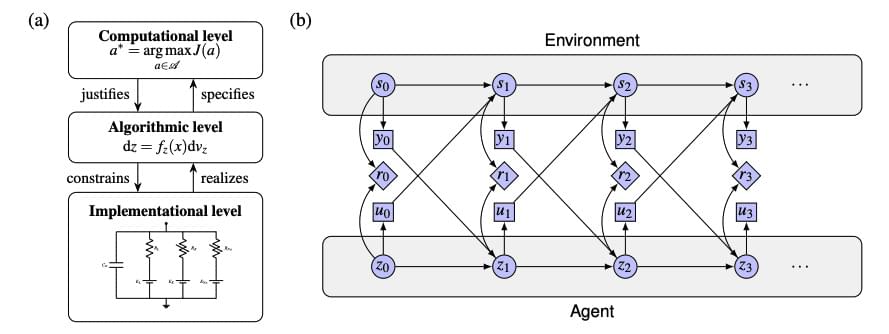
The pursuit of artificial intelligence increasingly focuses on replicating the efficiency and adaptability of the human brain, and a new approach, termed neuromorphic intelligence, offers a promising path forward. Marcel van Gerven from Radboud University and colleagues demonstrate how brain-inspired systems can achieve significantly greater energy efficiency than conventional digital computers. This research establishes a unifying theoretical framework, rooted in dynamical systems theory, to integrate insights from diverse fields including neuroscience, physics, and artificial intelligence. By harnessing noise as a learning resource and employing differential genetic programming, the team advances the development of truly adaptive and sustainable artificial intelligence, paving the way for emergent intelligence arising directly from physical substrates.


Researchers demonstrate that applying dynamical systems theory, a mathematical framework describing change over time, to artificial intelligence enables the creation of more sustainable and adaptable systems by harnessing noise as a learning tool and allowing intelligence to emerge from the physical properties of the system itself.

Researchers trace genetic code’s origins to early protein structures

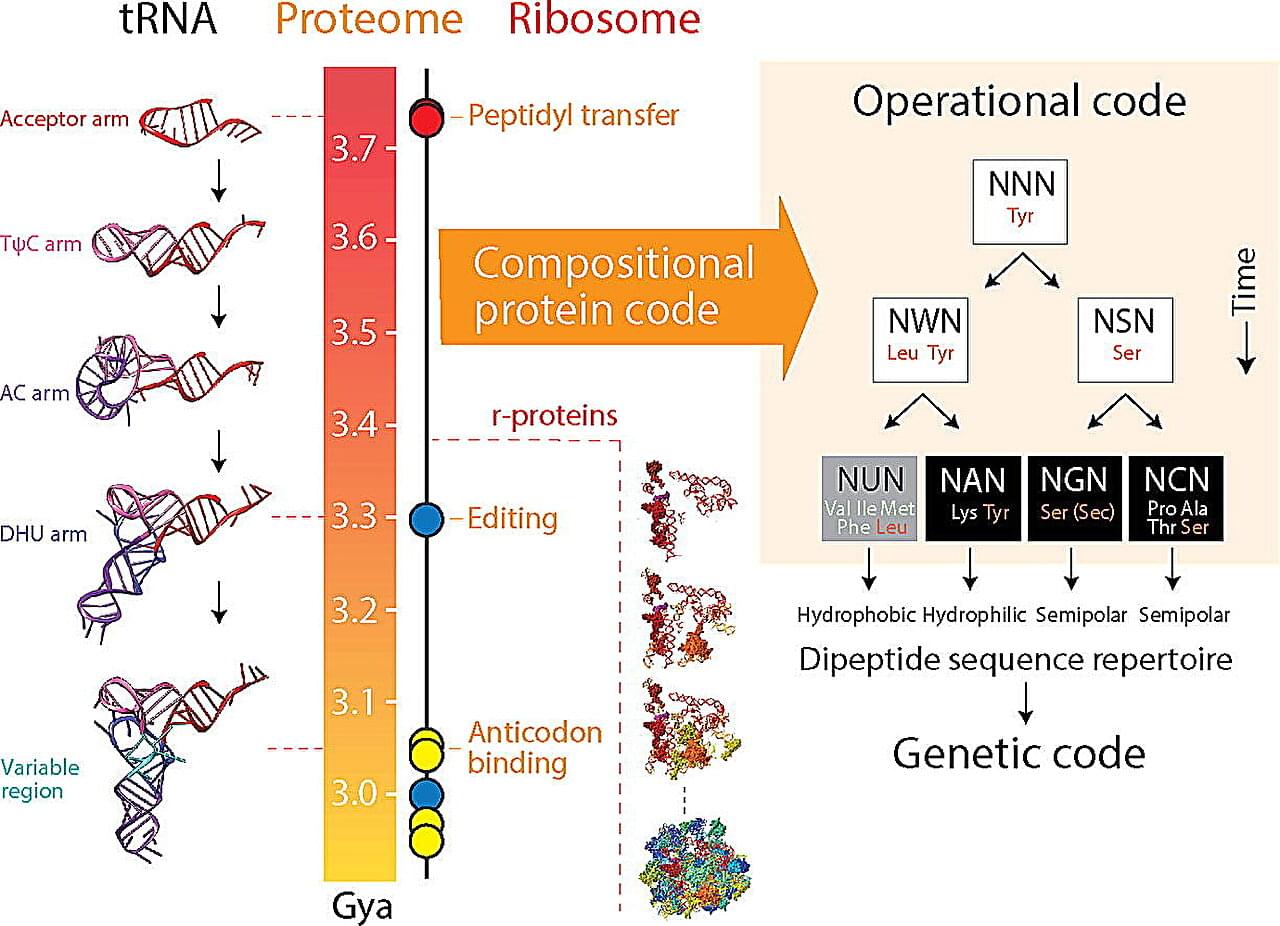
Genes are the building blocks of life, and the genetic code provides the instructions for the complex processes that make organisms function. But how and why did it come to be the way it is?

A recent study from the University of Illinois Urbana-Champaign sheds new light on the origin and evolution of the , providing valuable insights for genetic engineering and bioinformatics. The study is published in the Journal of Molecular Biology.

“We find the origin of the genetic code mysteriously linked to the dipeptide composition of a proteome, the collective of proteins in an organism,” said corresponding author Gustavo Caetano-Anollés, professor in the Department of Crop Sciences, the Carl R. Woese Institute for Genomic Biology, and Biomedical and Translation Sciences of Carle Illinois College of Medicine at U. of I.

/* */