Toggle light / dark theme

Research reveals shared genetic roots for psychiatric and neurological disorders

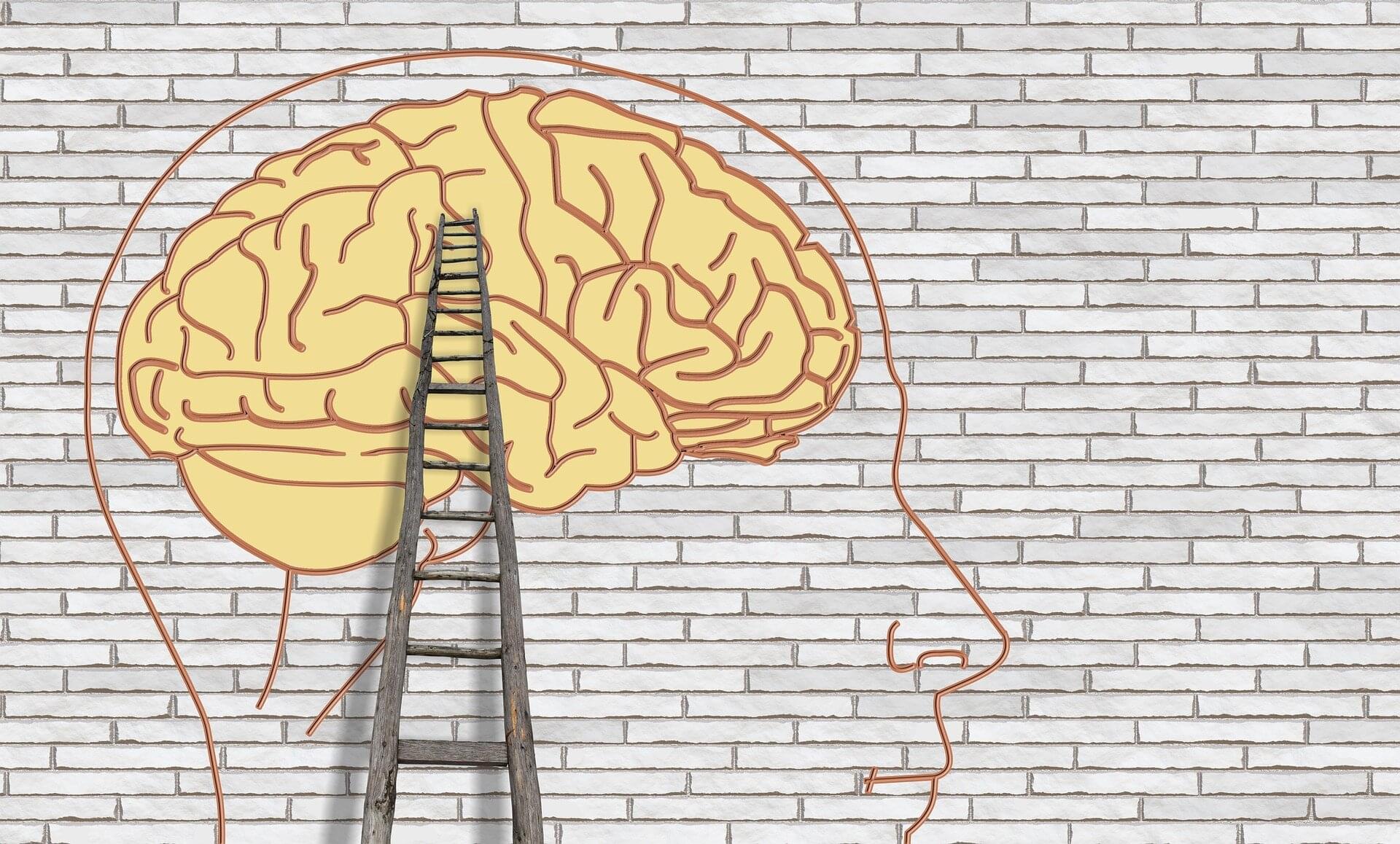
Researchers from the Center for Precision Psychiatry at the University of Oslo and Oslo University Hospital have discovered extensive genetic links between neurological disorders like migraine, stroke and epilepsy, and psychiatric illnesses such as schizophrenia and depression. Published in Nature Neuroscience, this research challenges longstanding boundaries between neurology and psychiatry and points to the need for more integrated approaches to brain disorders.

“We found that psychiatric and neurological disorders share to a greater extent than previously recognized. This suggests that they may partly arise from the same underlying biology, contrasting the traditional view that they are separate disease entities. Importantly, the genetic risk was closely linked to brain biology,” states Olav Bjerkehagen Smeland, psychiatrist and first author.
Angstrom-level imaging and 2D surfaces allow real-time tracking and steering of DNA

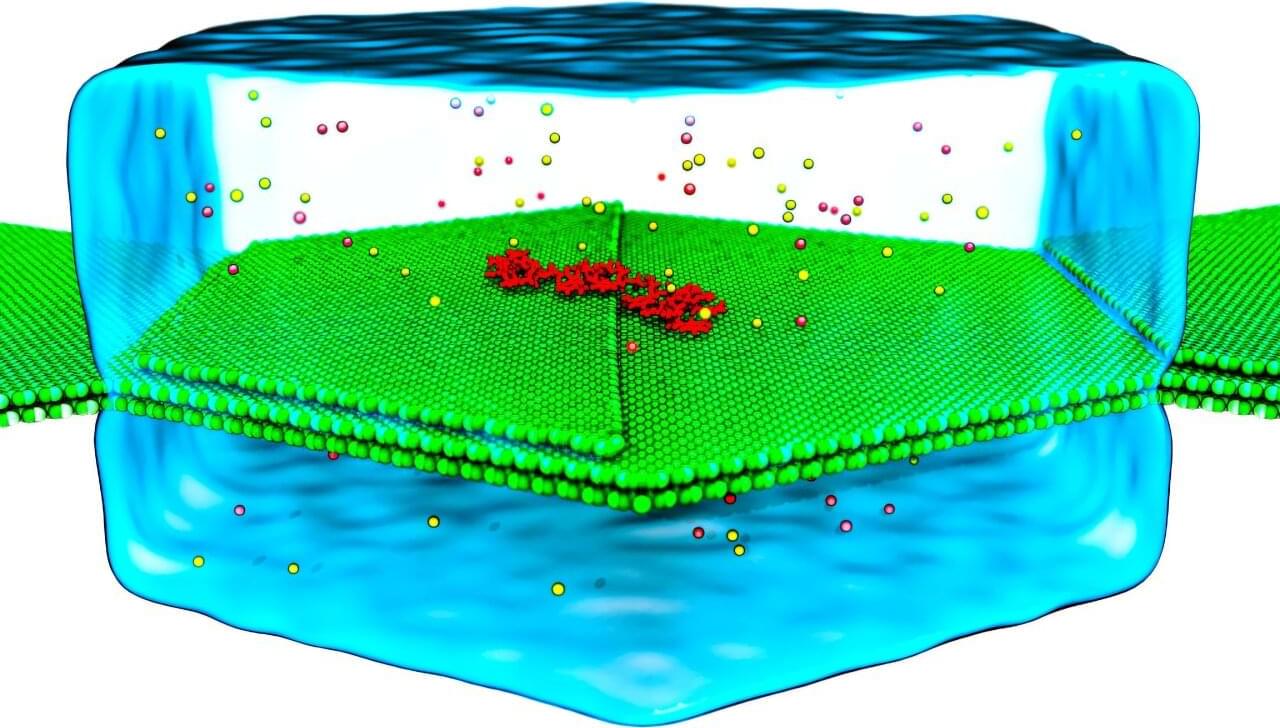
Pictures of DNA often look very tidy—the strands of the double helix neatly wind around each other, making it seem like studying genetics should be relatively straightforward. In truth, these strands aren’t often so perfectly picturesque. They are constantly twisting, bending, and even being repaired by minuscule proteins. These are movements on the nanoscale, and capturing them for study is extremely challenging. Not only do they wriggle about, but the camera’s fidelity must be high enough to focus on the tiniest details.

Researchers from the University of Illinois Urbana-Champaign (U. of I.) have been working on resolving a grand challenge for , and more specifically, : how to take a high-resolution image of DNA to facilitate study.

Using a number of compute resources, including NCSA’s Delta, Aleksei Aksimentiev, a professor of physics at U. of I, and Dr. Kush Coshic, formerly a graduate research assistant in the Center for Biophysics and Quantitative Biology and the Beckman Institute for Advanced Science and Technology at U. of I., and currently a postdoctoral fellow at the Max Planck Institute of Biophysics, recently made significant contributions to solving this challenge. They did it by focusing on two specific problems: creating a “camera” that could capture the molecular movement of DNA, and by creating an environment in which they could predictably direct the movement of the DNA strands.

AI model powers skin cancer detection across diverse populations

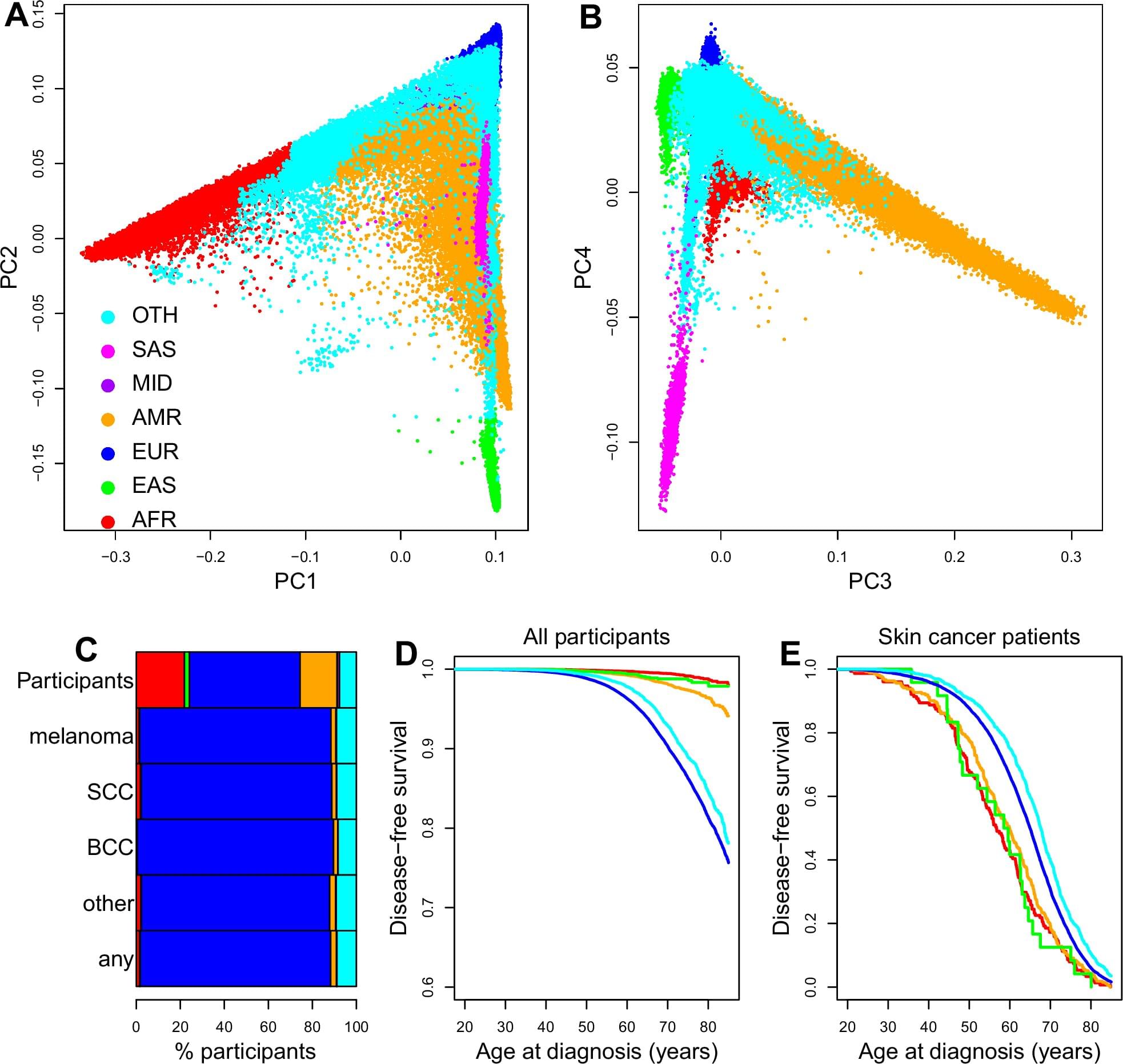
Researchers at the University of California San Diego School of Medicine have developed a new approach for identifying individuals with skin cancer that combines genetic ancestry, lifestyle and social determinants of health using a machine learning model. Their model, more accurate than existing approaches, also helped the researchers better characterize disparities in skin cancer risk and outcomes.

The research is published in the journal Nature Communications.

Skin cancer is among the most common cancers in the United States, with more than 9,500 new cases diagnosed every day and approximately two deaths from skin cancer occurring every hour. One important component of reducing the burden of skin cancer is risk prediction, which utilizes technology and patient information to help doctors decide which individuals should be prioritized for cancer screening.

Removing toxic proteins before they can damage motor neurons

University of Wollongong (UOW) scientists have developed a breakthrough therapy that clears toxic proteins from nerve cells—a discovery that advances the work of the late Professor Justin Yerbury and could transform the treatment of motor neuron disease (MND).

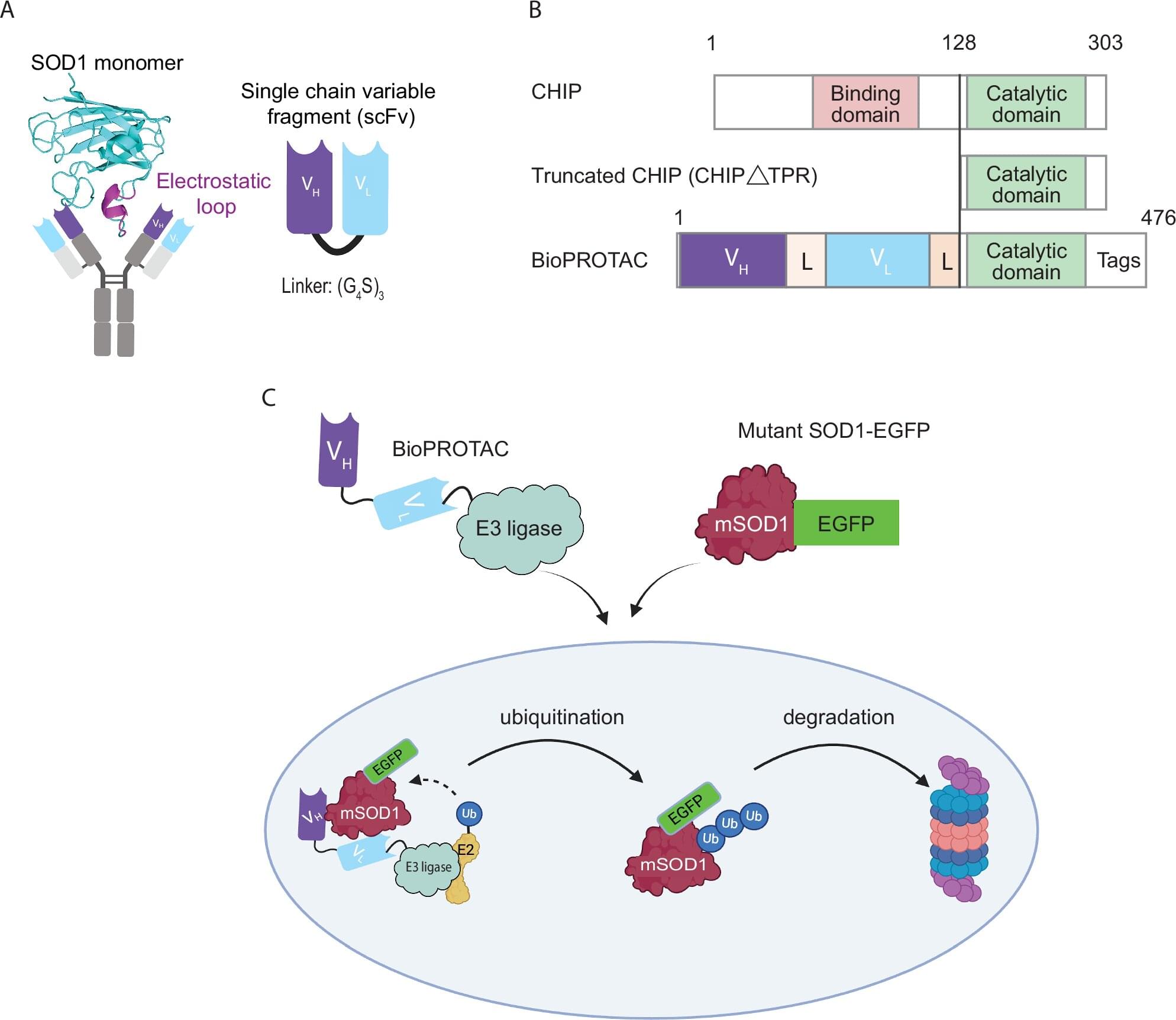
The proof-of-concept study, published in Nature Communications and led by Dr. Christen Chisholm from UOW’s Molecular Horizons, unveils a therapeutic designer molecule, MisfoldUbL, that targets and removes toxic misfolded SOD1 (superoxide dismutase 1) proteins from cells. SOD1 is an antioxidant enzyme that plays a crucial role in protecting cells from damage caused by superoxide radicals. About 35% of people with inherited MND in Australia have SOD1 gene mutations that cause more frequent misfolding.

“In MND, proteins misfold more frequently and the cell’s degradation systems become overwhelmed and stop working properly. The misfolded can then accumulate, forming clumps or ‘aggregates’ and over time, this accumulation damages and eventually kills motor neurons, leading to gradual muscle weakness, paralysis and death,” Dr. Chisholm said.

Phages with fully-synthetic DNA can be edited gene by gene

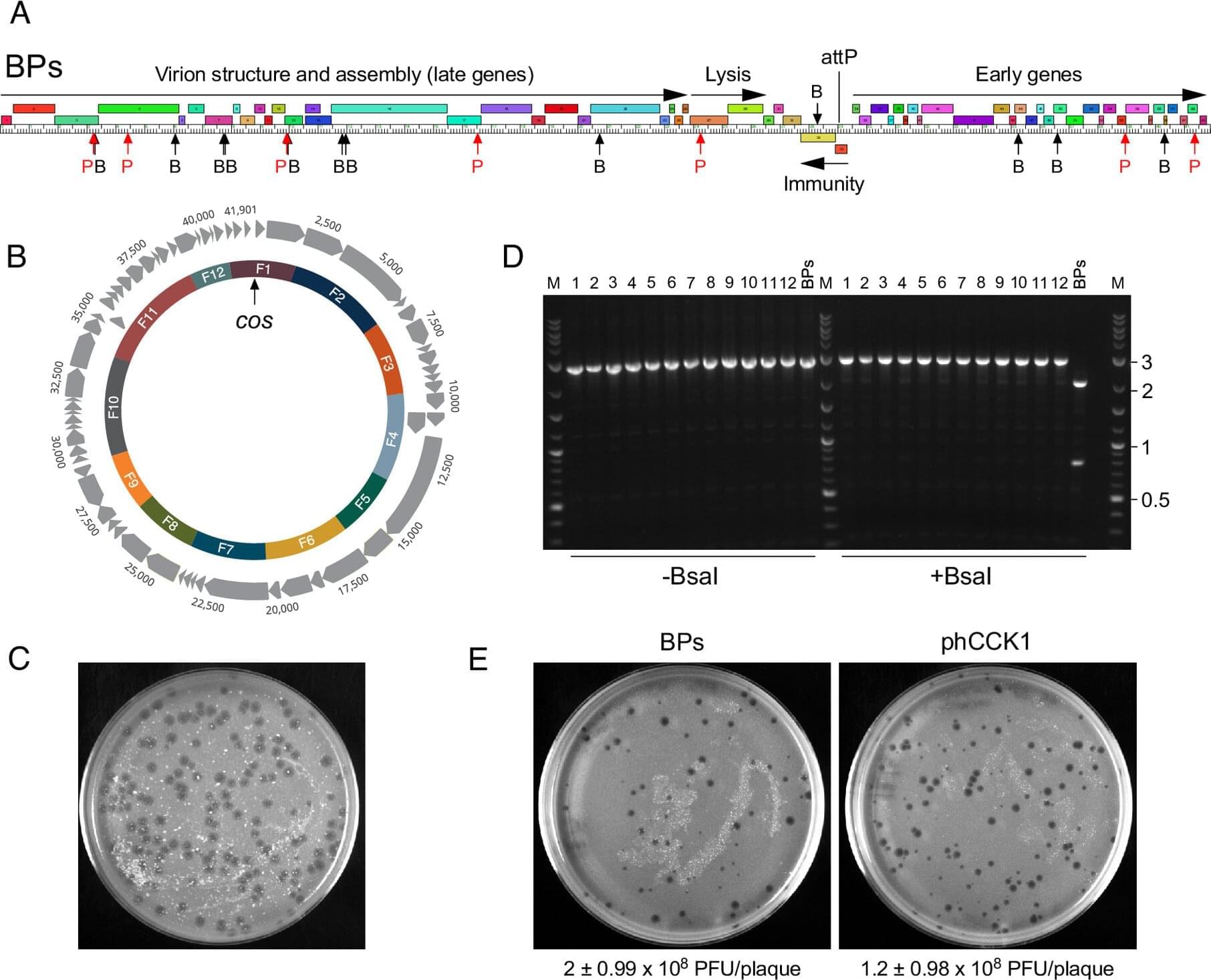
A team led by University of Pittsburgh’s Graham Hatfull has developed a method to construct bacteriophages with entirely synthetic genetic material, allowing researchers to add and subtract genes at will. The findings open the field to new pathways for understanding how these bacteria-killing viruses work, and for potential therapy of bacterial infections.

Sperm molecules can predict IVF success

The sperm is not a passive supplier of genetic material to the egg. A study from Linköping University, Sweden, shows that certain molecules that come with the sperm, so-called micro-RNA, contribute to the development of the embryo several days after conception. The findings, published in the journal Nature Communications, may in the long term, contribute to better diagnosis and treatment of involuntary childlessness.

“It seems that sperms can help with embryo development by bringing other molecules with them, in addition to DNA. These molecules aid in starting embryo development. So you can say that the sperm, or the male part of conception, has a greater significance than was previously understood,” says Anita Öst, professor of cell and at Linköping University, who led the study.

Many couples are affected by involuntary childlessness, or infertility. About one in six people suffer from infertility. For some, it is possible to become pregnant through what is known as in vitro fertilization, IVF, which takes place outside the body. The fertilized eggs are then transferred to the uterus and hopefully lead to pregnancy. Embryo quality is one of the major limiting factors for successful IVF treatment. Improved early embryo quality assessment could increase chances that IVF treatment leads to pregnancy.

Congenital heart disease mutation linked to kidney damage

Biomedical engineers at Duke University have shown that a genetic mutation that causes congenital heart disease also contributes to kidney damage and developmental defects. Identifying this early cause of kidney damage could enable clinicians to diagnose and address kidney problems much sooner than current practices allow. The research was published on November 3 in the journal Nature Biomedical Engineering.

Congenital heart disease (CHD) is a common cause of death in childhood and affects 1 out of every 1,000 births. The disease occurs when the heart doesn’t form correctly before birth, causing leaky valves, defective vessels, or holes in the heart. While some cases of CHD can be remedied, children with life-threatening complications often require surgery or even a heart transplant. More than 25% of patients also end up developing problems with other organs, which severely compromise life expectancy.

“Research has shown that children diagnosed with CHD almost always have kidney problems by age 4,” said Samira Musah, the Alfred M. Hunt Faculty Scholar Assistant Professor of Biomedical Engineering and Assistant Professor of Medicine at Duke University, and the senior author of the study. “Given the shared developmental origin of the heart and kidney, I wondered if a genetic mutation tied to CHD also causes the observed in affected patients.”

Mutations Lurking in Alternative Proteins May Cause Disease

Although the genetic cause of many diseases have been identified, it’s estimated that as many as 70% of patients with a rare disorder do not know what causes their disease. Millions of people live with rare diseases, and scientists are still searching for the answers to these medical mysteries. Now researchers have developed a different method for analyzing patient genetic data, which may provide clues. These findings, which were reported in Molecular Cell, have highlighted that multiple proteins can often be produced from one gene; the cell can simply interpret the sequence in different ways.

In a basic genetics lesson, a student will learn that proteins are encoded by genes, and that different genes make different proteins. But in reality, the same gene sequence may encode for multiple proteins, and it can be up to the molecular machinery of the cell to decide which of those gene sequences ends up transcribed into a protein. In fact, most genes can code for more than one protein.

Diet Composition That Corresponds To A 17y Younger Biological Age (Test #6 In 2025 Deep Dive)

Join us on Patreon! https://www.patreon.com/MichaelLustgartenPhD

Discount Links/Affiliates:
Blood testing (where I get the majority of my labs): https://www.ultalabtests.com/partners/michaellustgarten.

At-Home Metabolomics: https://www.iollo.com?ref=michael-lustgarten.
Use Code: CONQUERAGING At Checkout.

Clearly Filtered Water Filter: https://get.aspr.app/SHoPY

Epigenetic, Telomere Testing: https://trudiagnostic.com/?irclickid=U-s3Ii2r7xyIU-LSYLyQdQ6…M0&irgwc=1
Use Code: CONQUERAGING

NAD+ Quantification: https://www.jinfiniti.com/intracellular-nad-test/

Can brainless animals think?

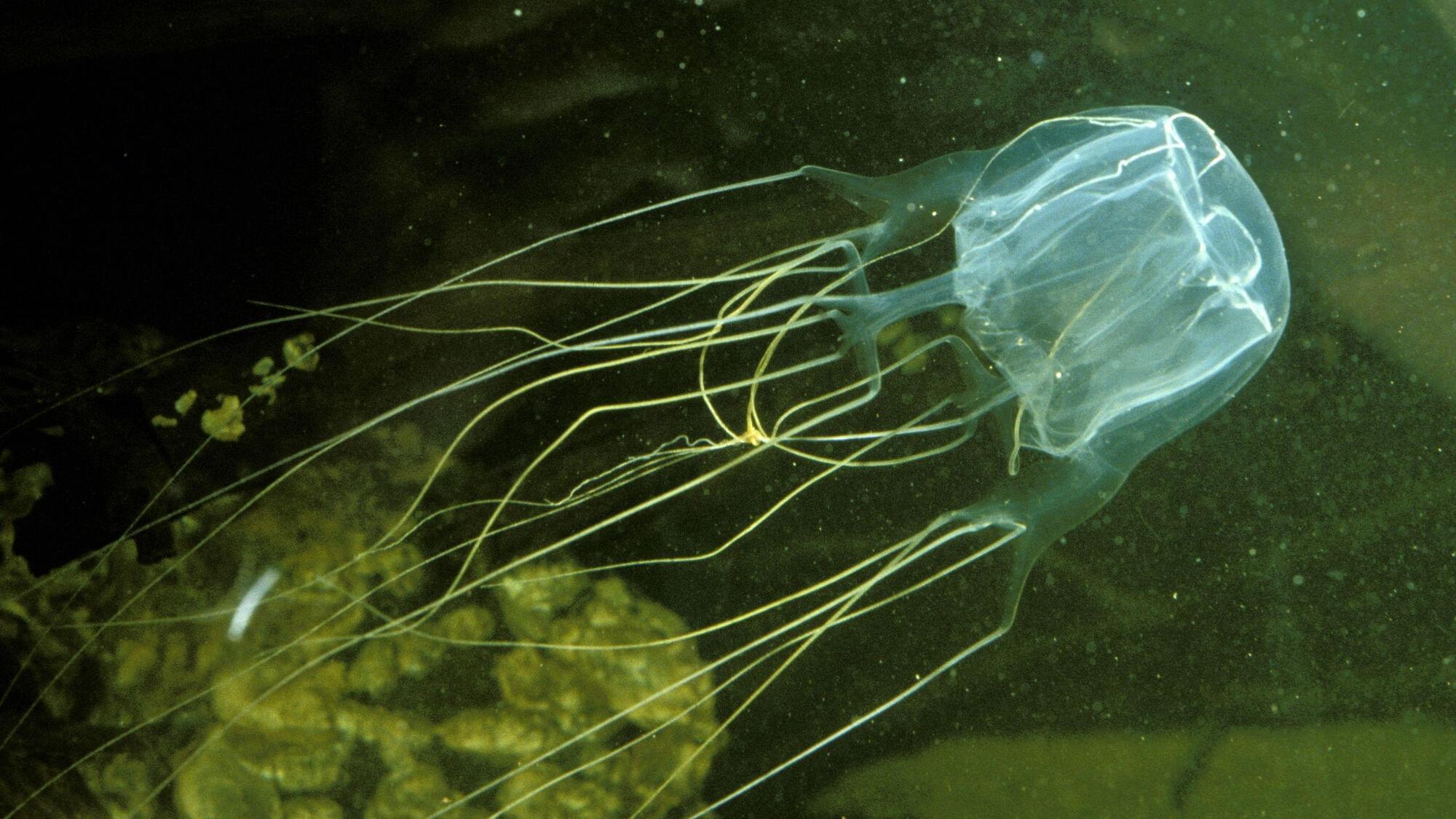
Creatures like sea stars, jellyfish, sea urchins and sea anemones don’t have brains, yet they can capture prey, sense danger and react to their surroundings.

So does that mean brainless animals can think?

“Brainless does not necessarily mean neuron-less,” Simon Sprecher, a professor of neurobiology at the University of Fribourg in Switzerland, told Live Science in an email. Apart from marine sponges and the blob-like placozoans, all animals have neurons, he said.

Creatures like jellyfish, sea anemones and hydras possess diffuse nerve nets — webs of interconnected neurons distributed throughout the body and tentacles, said Tamar Lotan, head of the Cnidarian Developmental Biology and Molecular Ecology Lab at the University of Haifa in Israel.

“The nerve net can process sensory input and generate organized motor responses (e.g., swimming, contraction, feeding, and stinging), effectively performing information integration without a brain,” she told Live Science in an email.

This simple setup can support surprisingly advanced behavior. Sprecher’s team showed that the starlet sea anemone (Nematostella vectensis) can form associative memories — learning to link two unrelated stimuli. In the experiment, the researchers trained sea anemones to associate a harmless flash of light with a mild shock. Eventually, the light alone made them retract.

Another experiment showed that sea anemones can learn to recognize genetically identical neighbors after repeated encounters and curb their usual territorial aggression. The fact that anemones change their behavior toward genetically identical neighbors suggests they can distinguish between “self” and “non-self”

/* */