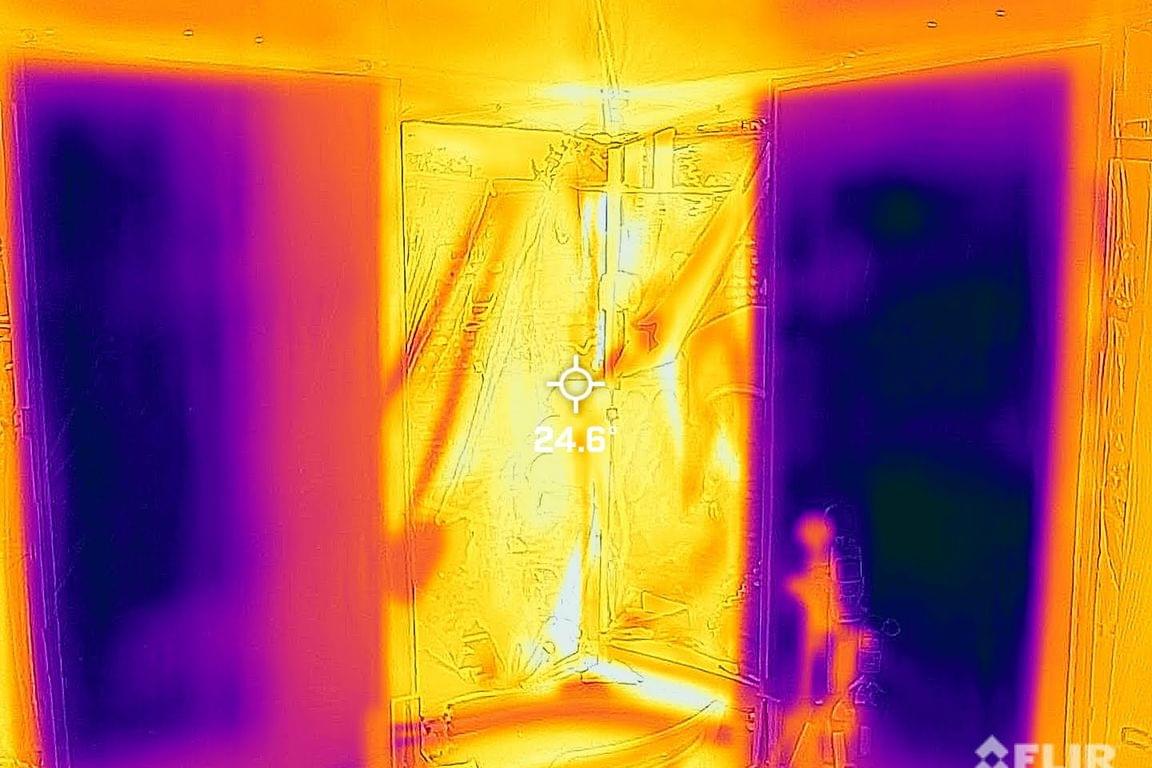
A new approach uses low-cost, scalable, transparent and infrared-reflective surfaces and hydronic panels.
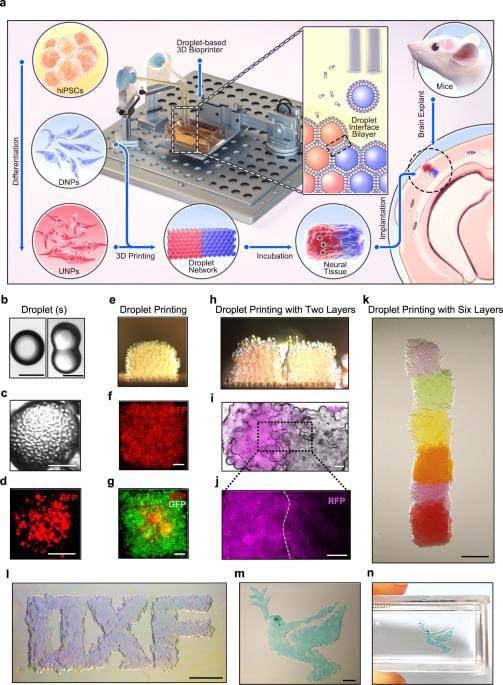
Brain injuries can result in significant damage to the cerebral cortex, and restoring the cellular architecture of the tissue remains challenging. Here, the authors use a droplet printing technique to fabricate a simplified human cerebral cortical column and demonstrate its functionality and potential for future personalized therapy approaches.

In 2024, researchers transformed readings of an epic upheaval of Earth’s magnetic field flipping 41,000 years ago into an eerie, auditory experience.
Now a team containing some of those same scientists has sonified an even earlier flip, from epochs ago.
The resulting cacophony is an unnerving translation of geological data on the Matuyama-Brunhes reversal, a switching of the planet’s magnetic poles that took place roughly 780,000 years ago.

The National Institute of Standards and Technology (NIST) U.S. has set a new world record for the most accurate aluminum ion-based optical atomic clock.
This clock sets a new time-keeping benchmark, accurately measuring a second down to its 19th decimal place. That’s a major leap, making it 41% more accurate and 2.6 times more stable than the former record holder.
The aluminum ion clock’s accuracy record stems from two decades of persistent refinement.
To try everything Brilliant has to offer—free—for a full 30 days, visit https://brilliant.org/ArtemKirsanov/.You’ll also get 20% off an annual premium subsc…
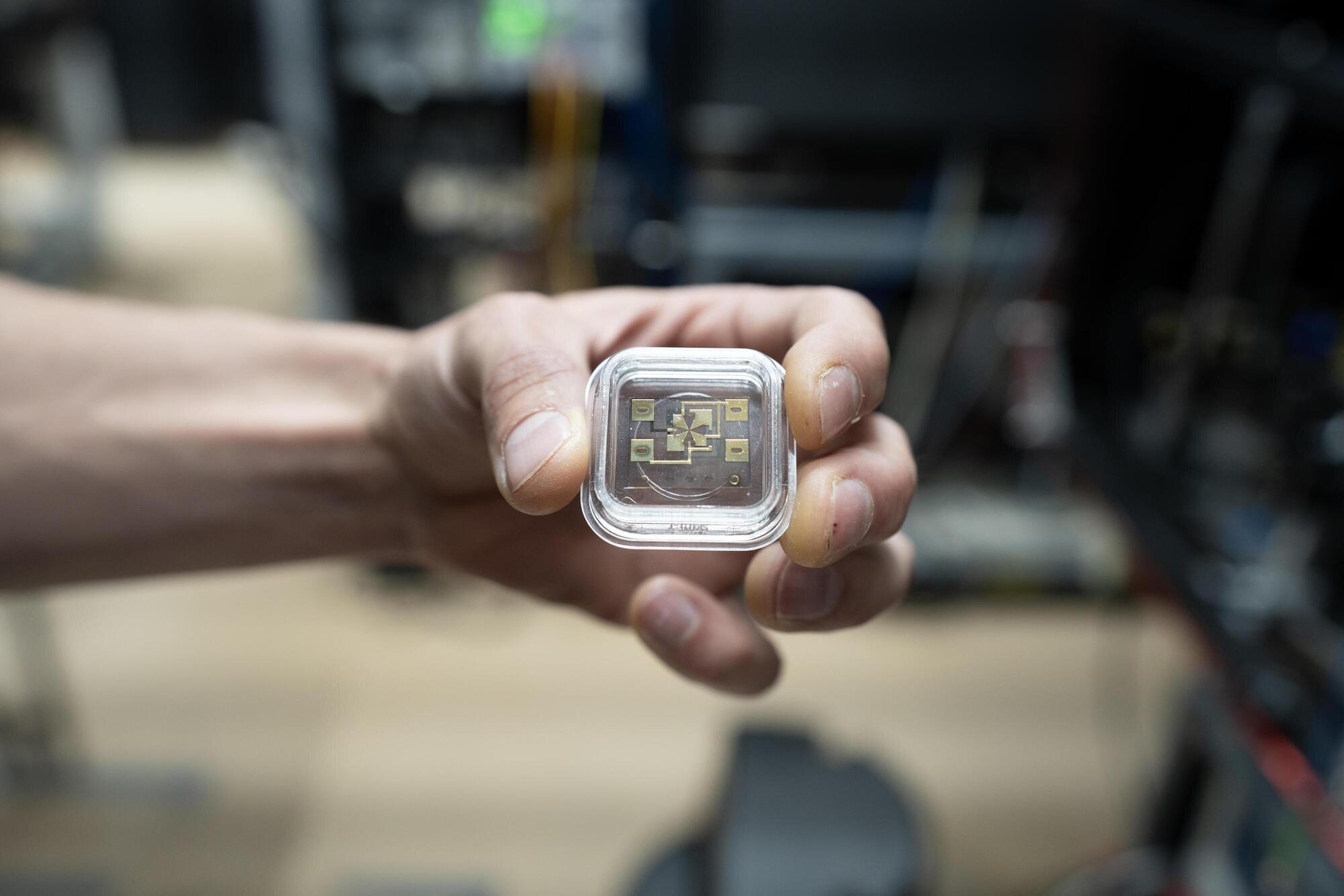
There’s a new record holder for the most accurate clock in the world. Researchers at the National Institute of Standards and Technology (NIST) have improved their atomic clock based on a trapped aluminum ion. Part of the latest wave of optical atomic clocks, it can perform timekeeping with 19 decimal places of accuracy.
Optical clocks are typically evaluated on two levels—accuracy (how close a clock comes to measuring the ideal “true” time, also known as systematic uncertainty) and stability (how efficiently a clock can measure time, related to statistical uncertainty). This new record in accuracy comes out of 20 years of continuous improvement of the aluminum ion clock.
Beyond its world-best accuracy, 41% greater than the previous record, this new clock is also 2.6 times more stable than any other ion clock. Reaching these levels has meant carefully improving every aspect of the clock, from the laser to the trap and the vacuum chamber.