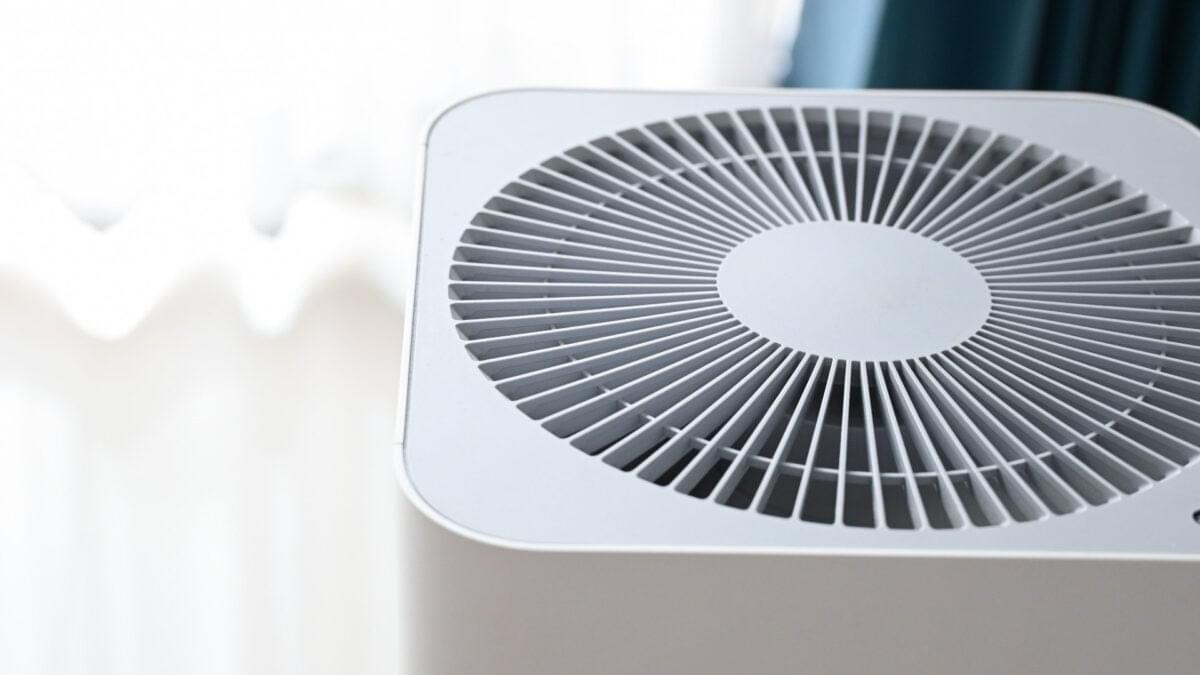
New research exposes a startling lack of real-world testing for air-cleaning tech meant to fight airborne infections.


Now, in an article published in Light: Science & Applications, researchers from The University of Osaka, together with collaborating institutions, have unveiled a cryo–optical microscopy technique that takes a high-resolution, quantitatively accurate snapshot at a precisely selected timepoint in dynamic cellular activity.
Capturing fast dynamic cellular events with spatial detail and quantifiability has been a major challenge, owing to a fundamental trade-off between temporal resolution and the “photon budget,” that is, how much light can be collected for the image. With limited photons and only dim, noisy images, important features in both space and time become lost in the noise.
“Instead of chasing speed in imaging, we decided to freeze the entire scene,” explains one of the lead authors, Kosuke Tsuji. “We developed a special sample-freezing chamber to combine the advantages of live-cell and cryo-fixation microscopy. By rapidly freezing live cells under the optical microscope, we could observe a frozen snapshot of the cellular dynamics at high resolutions.”




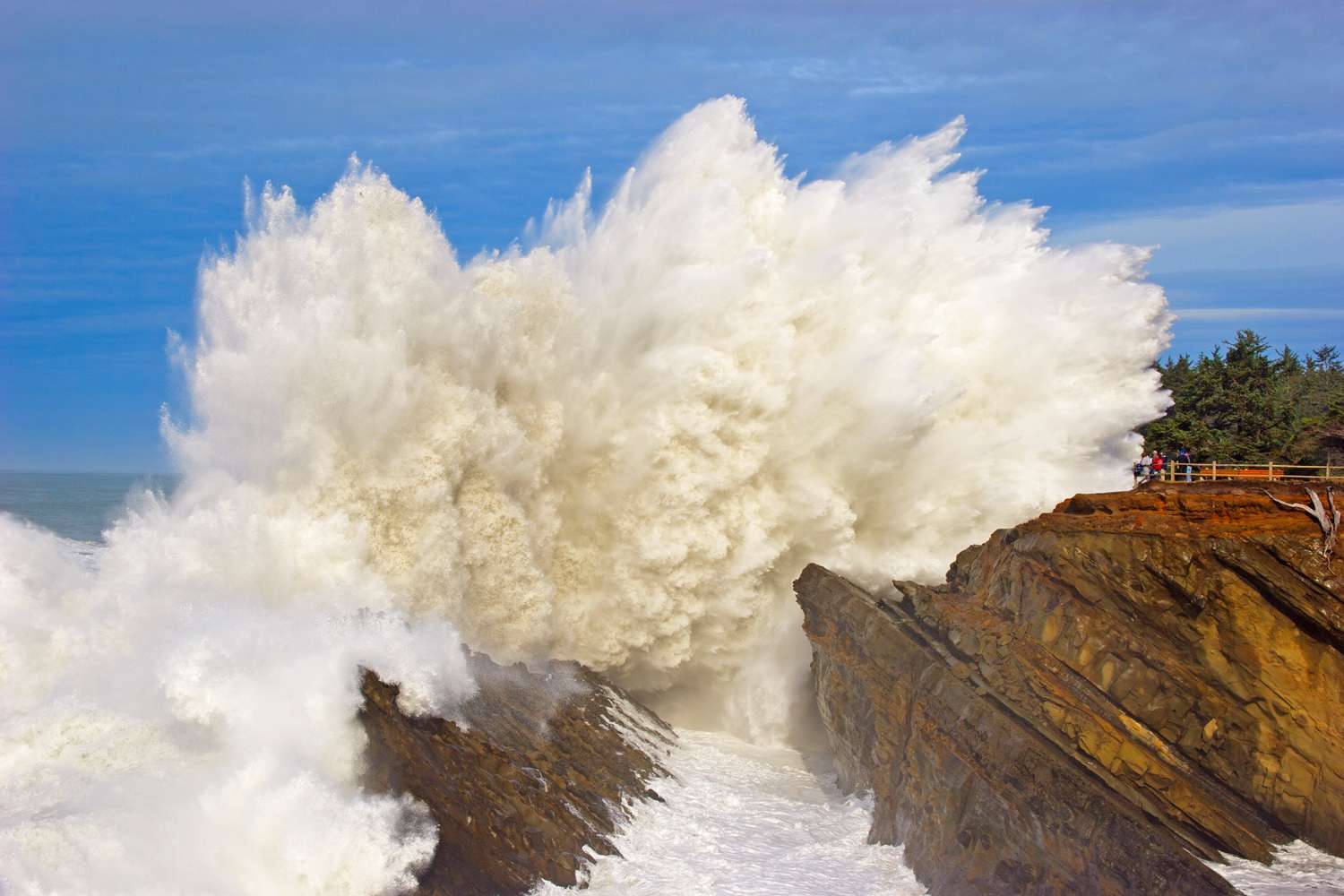
An underwater volcano off the Pacific northwest coast is projected to erupt soon.
Researchers at Oregon State University (OSU) have been recording activity at the Axial Seamount, located roughly 300 miles off the coast of Oregon and 4,900 feet under the surface, per ABC News and Axios. The underwater volcano’s recent behavior has signaled to OSU researchers that it’s tending toward an eruption in the near future.