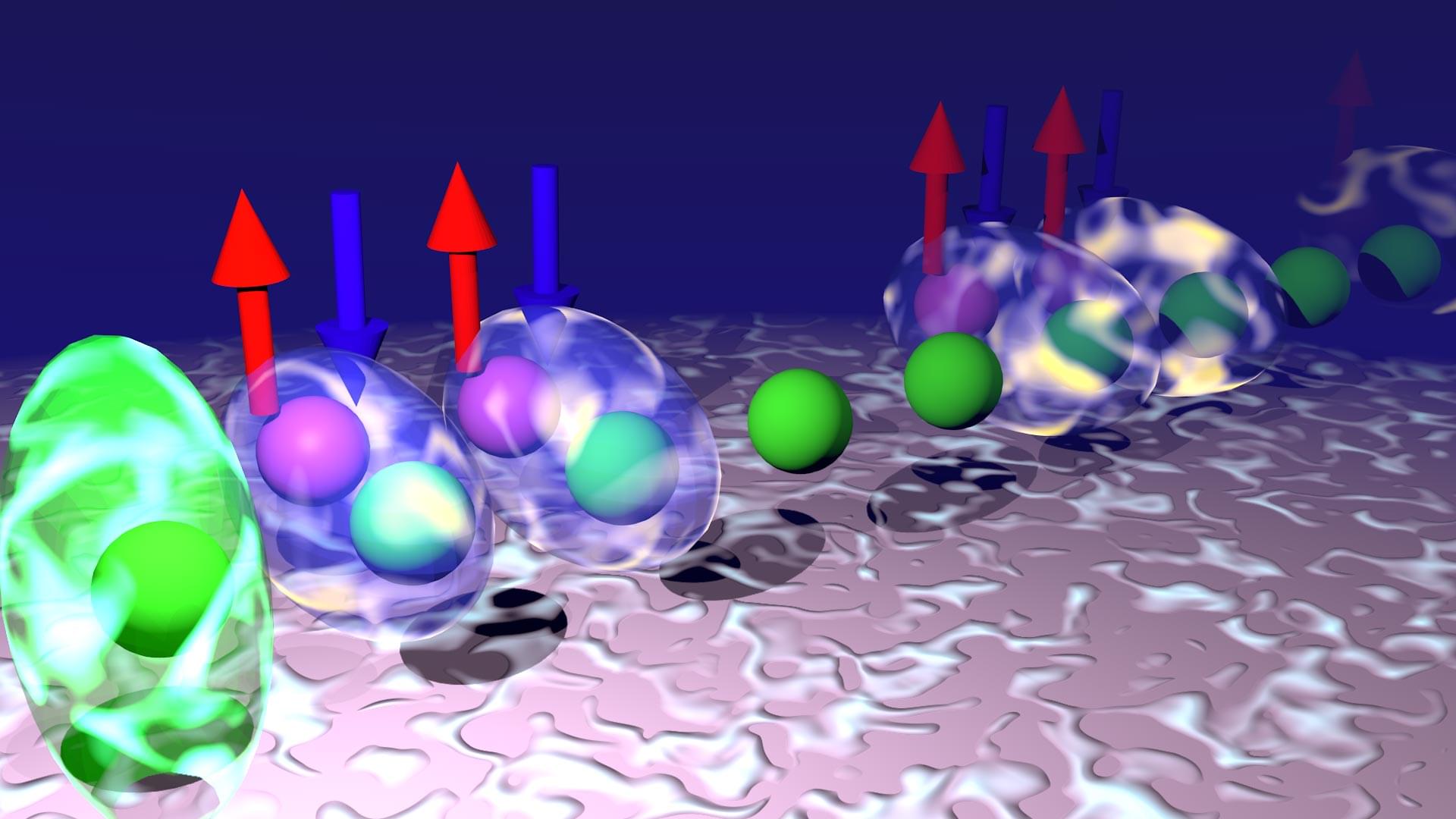
Scientists found a magnetic method to protect qubits, paving the way for robust quantum computing.
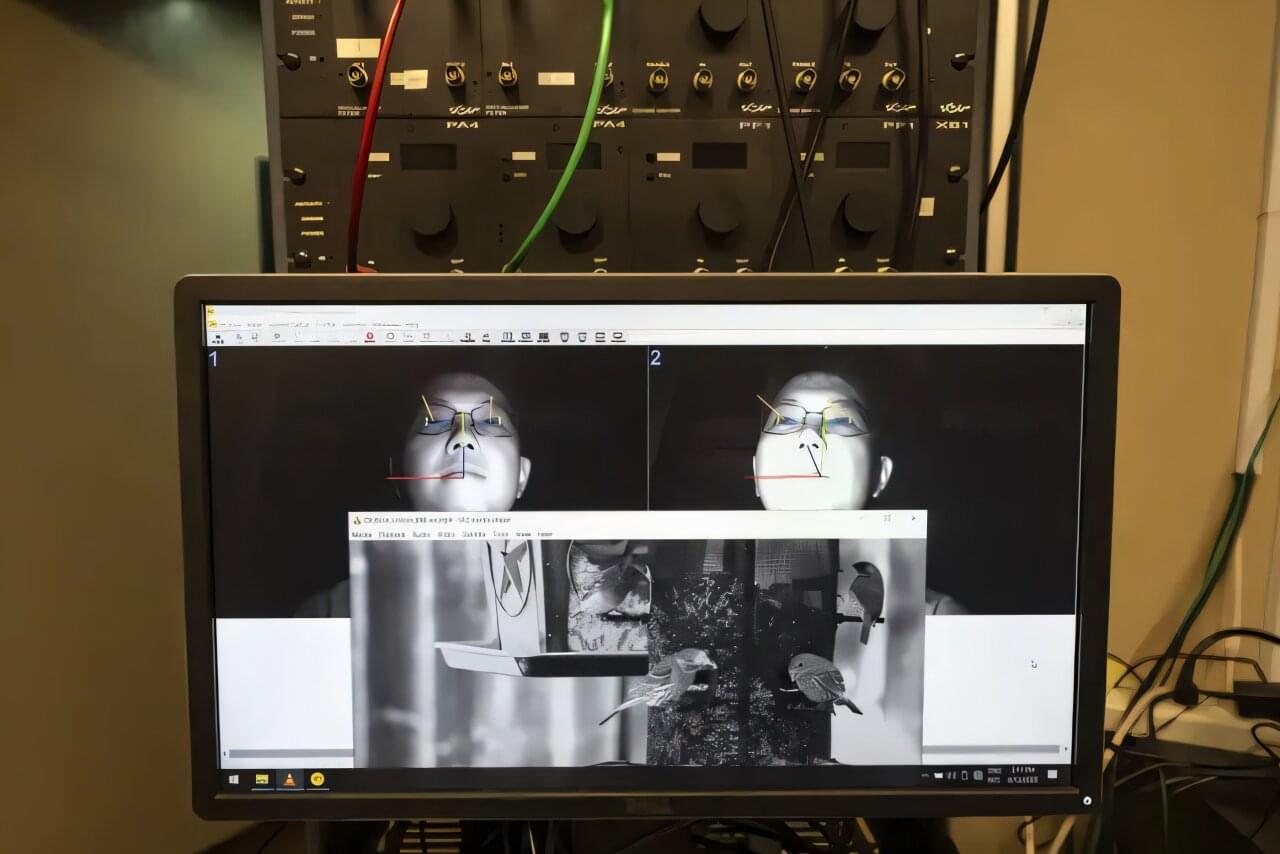
Throughout her career, Laurie Heller has listened closely—not just to words, but to sound itself. In the Auditory Lab at Carnegie Mellon University, the psychology professor explores how the brain interprets everything from environmental clatter to the subtle noises that can spark deep feelings of safety, connection, or in some cases, rage.
So when Yuqi “Monica” Qiu, then an undergraduate in computer science, emailed Heller after seeing a recruitment poster for a study, Heller was ready to listen.
“I have misophonia,” Qiu wrote. “And I want to help.”
Water-cooled computer mounted on wall brings steampunk art to life.
Billet Labs’ latest wall-mounted PC mod blends Victorian steampunk design with modern high-end hardware.
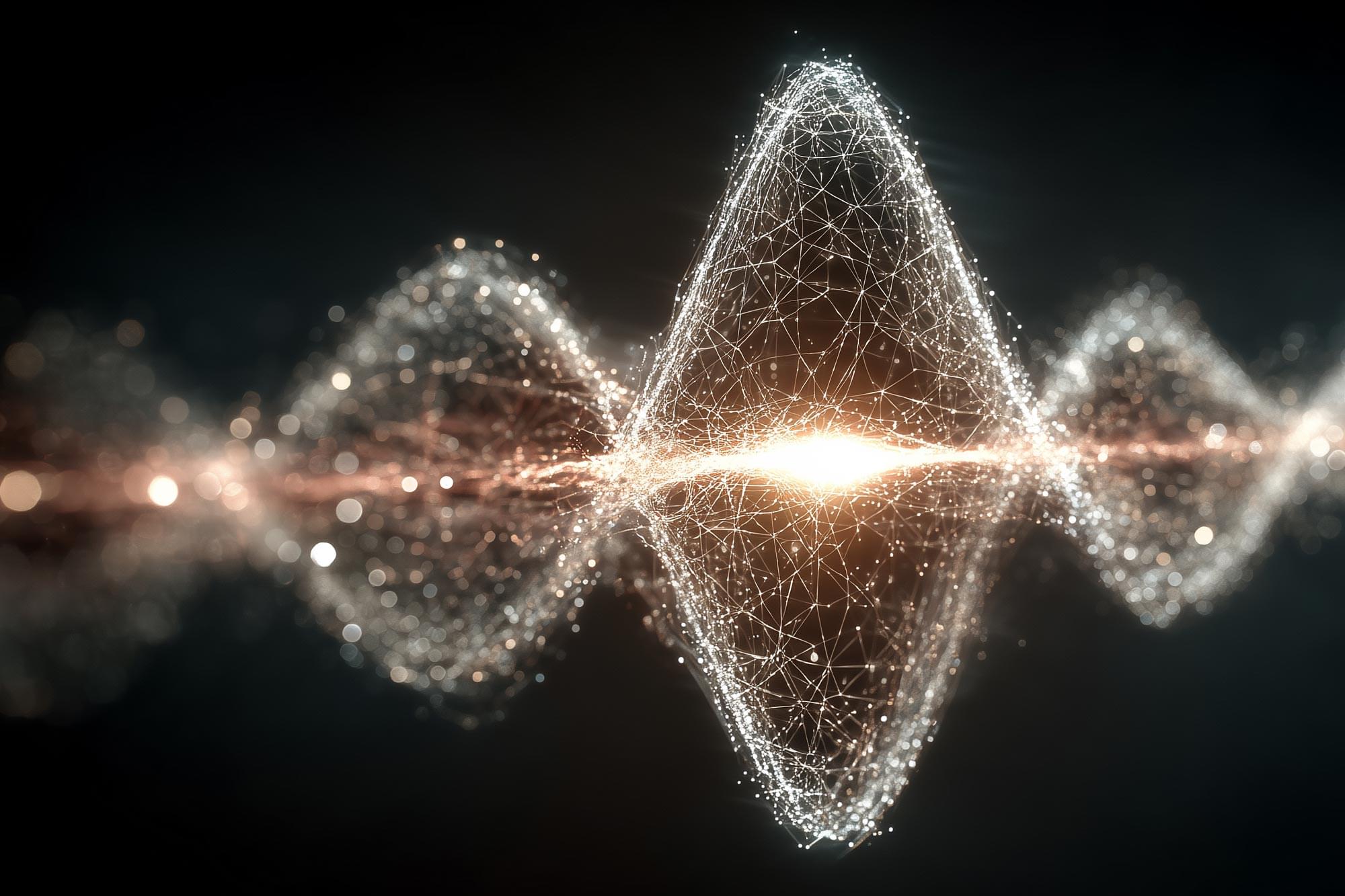
Caltech scientists have created a hybrid quantum memory that converts electrical information into sound, allowing quantum states to last 30 times longer than in standard superconducting systems.
Their mechanical oscillator, like a microscopic tuning fork, could pave the way for scalable and reliable quantum storage.
Quantum Bits vs. Classical Bits.

3D printing is a simple way to create custom tools, replacement pieces and other helpful objects, but it is also being used to create untraceable firearms, such as ghost guns, like the one implicated in the late 2024 killing of UnitedHealthcare CEO Brian Thompson.
Netanel Raviv, assistant professor of computer science & engineering in the McKelvey School of Engineering at Washington University in St. Louis, led a team from the departments of Computer Science & Engineering and Biomedical Engineering that has developed a way to create an embedded fingerprint in 3D-printed parts that would withstand the item being broken, allowing authorities to gain information for forensic investigation, such as the identity of the printer or the person who owns it and the time and place of printing.
The research will be presented at the USENIX Security Symposium Aug. 13–15, 2025, in Seattle. The first authors of the paper are Canran Wang and Jinweng Wang, who earned doctorates in computer science in 2024 and 2025, respectively. The research is published on the arXiv preprint server.


Terra Quantum has published a groundbreaking advance in quantum error correction that redefines how we scale quantum computing. In the peer-reviewed paper “QMM-Enhanced Error Correction: Demonstrating Reversible Imprinting and Retrieval for Robust Quantum Computation”, Terra Quantum scientists present QMM-Enhanced Error Correction, a hardware-validated, measurement-free method for suppressing quantum errors, based on principles derived initially from quantum gravity.
At the heart of this innovation is the Quantum Memory Matrix (QMM), a cosmology-inspired concept that models space-time as a lattice of finite-dimensional memory cells. Terra Quantum has now translated this deep theoretical idea into a functional quantum circuit. Validated on IBM’s superconducting processors, the QMM layer functions as a lightweight, unitary “booster” that enhances fidelity without mid-circuit measurements or added two-qubit gates, offering a powerful alternative to traditional surface codes.
“We have taken a concept rooted in quantum gravity and made it plug-and-play for today’s quantum processors,” said Florian Neukart, Chief Product Officer at Terra Quantum. “QMM-enhanced error correction works out of the box on existing hardware, requires no architectural changes, and delivers measurable gains. For industries building quantum solutions now, not in 10 years. This is a game-changer.
Terra Quantum has introduced QMM-Enhanced Error Correction, a hardware-validated, measurement-free method that suppresses quantum errors.