Toggle light / dark theme

Blocking PTP1B protein may slow memory loss in Alzheimer’s

Alzheimer’s disease is often measured in statistics: millions affected worldwide, cases rising sharply, costs climbing into the trillions. For families, the disease is experienced far more intimately. “It’s a slow bereavement,” says Cold Spring Harbor Laboratory Professor Nicholas Tonks, whose mother lived with Alzheimer’s. “You lose the person piece by piece.”

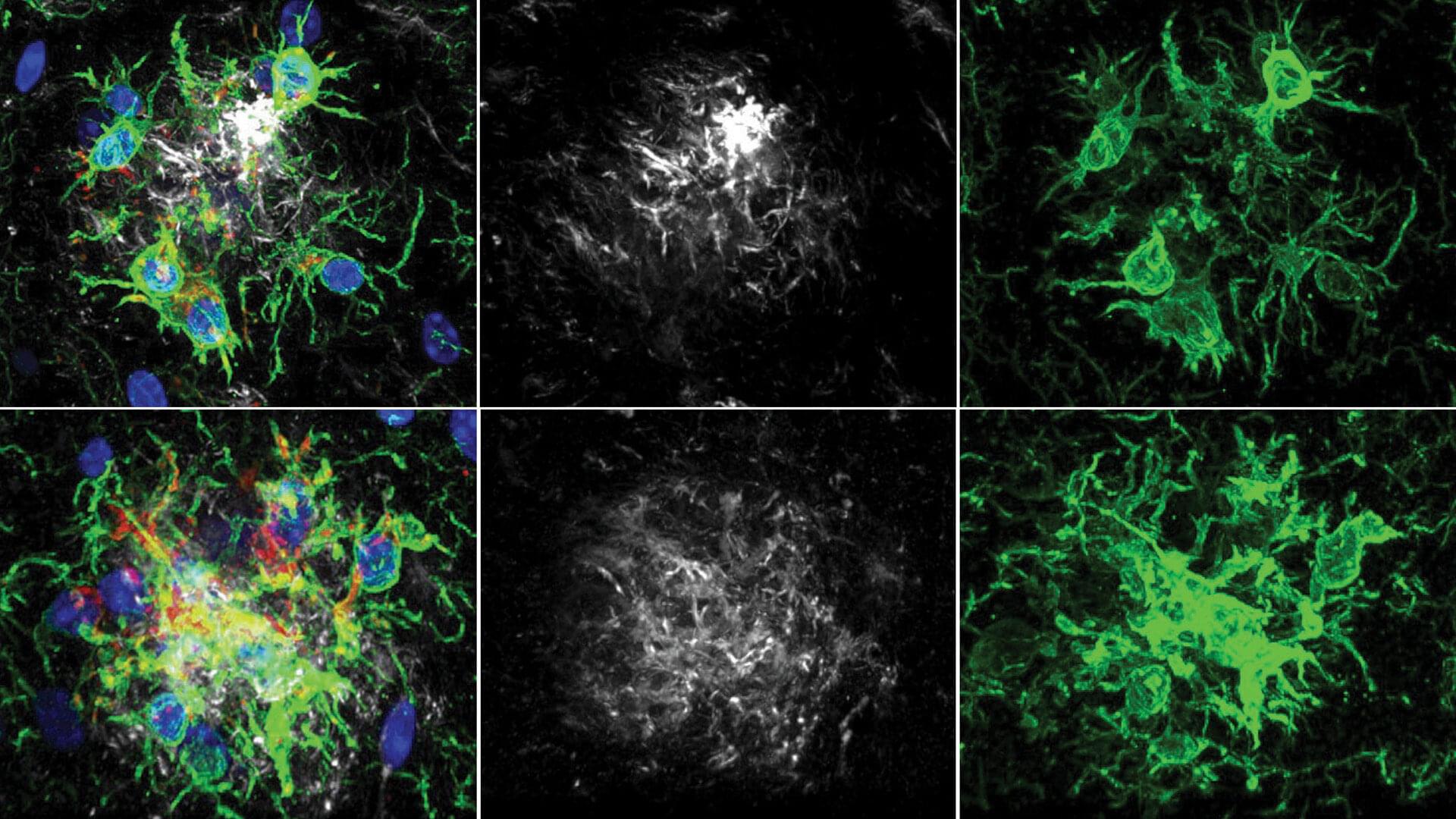
There’s a lot of discussion about how the neurodegenerative disorder may be caused by a buildup of “plaque” in the brain. When someone refers to this plaque, they’re talking about amyloid-β (Aβ), a peptide that occurs naturally but can accumulate and come together. This is known to promote Alzheimer’s disease development.

Now, Tonks, graduate student Yuxin Cen, and postdoctoral fellow Steven Ribeiro Alves have discovered that inhibiting a protein called PTP1B improves learning and memory in an Alzheimer’s disease mouse model. The findings are published in the journal Proceedings of the National Academy of Sciences.

It’s time to think about human reproduction in space, scientists urge

There are currently no widely accepted, industry-wide standards for managing reproductive health risks in space, the study notes. The researchers highlight unresolved questions around preventing inadvertent early pregnancy during missions, understanding the fertility impacts of microgravity and radiation, and setting ethical boundaries for any future reproduction-related research beyond Earth.

“If reproduction is ever to occur beyond Earth,” the study notes, “it must do so with a clear commitment to safety, transparency and ethical integrity.”

This research is described in a paper published Feb. 3 in the journal Reproductive Biomedicine Online.

How DNA and life experiences leave distinct marks on the human immune system

Using single-cell epigenomic profiling of immune cells from 110 individuals, researchers show that genetic variation and environmental exposures shape the human immune system through distinct DNA methylation mechanisms. Genetic effects concentrate within gene bodies of memory cells, while environmental exposures primarily remodel regulatory regions in naive immune cells.

Neuroscience Beyond Neurons? The Diverse Intelligence Era | Michael Levin & Robert Chis-Ciure

What if neurons aren’t the foundation of mind?

In this Mind-Body Solution Colloquia, Michael Levin and Robert Chis-Ciure challenge one of neuroscience’s deepest assumptions: that cognition and intelligence are exclusive to brains and neurons.

Drawing on cutting-edge work in bioelectricity, developmental biology, and philosophy of mind, this conversation explores how cells, tissues, and living systems exhibit goal-directed behavior, memory, and problem-solving — long before neurons ever appear.

We explore:
• Cognition without neurons.
• Bioelectric networks as control systems.
• Memory and learning beyond synapses.
• Morphogenesis as collective intelligence.
• Implications for AI, consciousness, and ethics.

This episode pushes neuroscience beyond the neuron, toward a deeper understanding of mind, life, and intelligence as continuous across scales.

TIMESTAMPS:

Peppermint oil plasma coating could cut catheter infections without releasing drugs

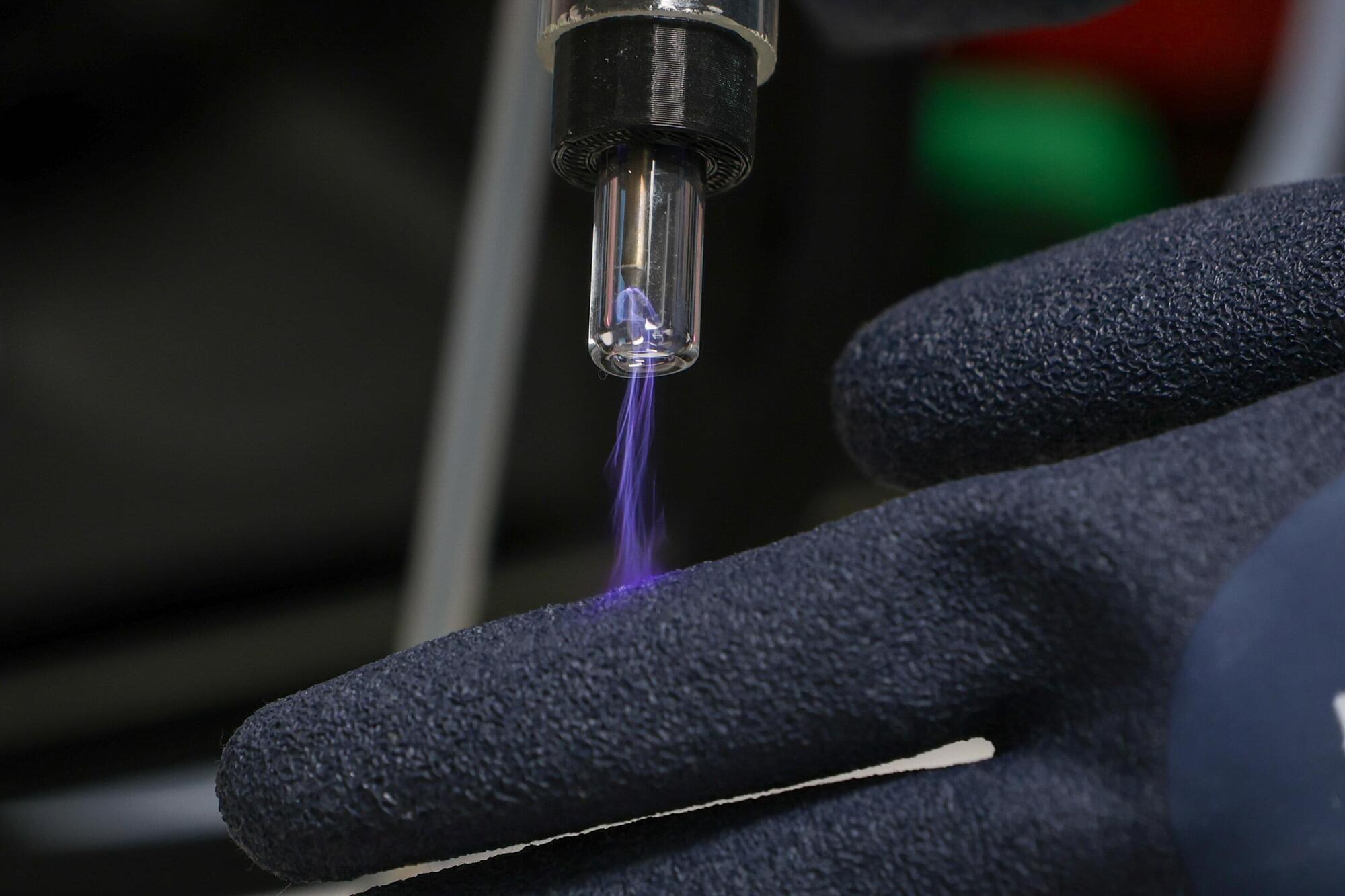
Australian researchers have developed a high‑performance coating made from peppermint essential oil that can be applied to the surfaces of many commonly used medical devices, offering a safer way to protect patients from infection and inflammation.

Matthew Flinders Professor and senior author of the new study, Professor Krasimir Vasilev, says the idea emerged after noticing that eating peppermint leaves from his drink significantly relieved his sore throat, inspiring him to explore whether its bioactivity could be converted into a durable coating using plasma technology—something he has been researching for more than two decades.

The team from Flinders’s Biomedical Nanoengineering Laboratory—including Professor Vasilev (Director), Associate Professor Vi‑Khanh Truong, Dr. Andrew Hayes, and Ph.D. candidates Trong Quan Luu and Tuyet Pham—created a nanoscale peppermint‑oil coating that protects against infection, inflammation and oxidative stress, while remaining compatible with human tissue and suitable for medical materials.

Sentience Beyond Biology — Debate w/Dmitry Volkov, Joscha Bach, Matthew MacDougall, Murray Shanahan

What happens when biology is no longer the foundation for sentience, agency, and consciousness?

This groundbreaking panel discussion brings together some of the world’s most brilliant minds in AI, neuroscience, and philosophy to tackle humanity’s most profound questions about the future of intelligence.

Chaired by neuroscientist Patrick House, the conversation explores the boundaries of machine agency, the possibility of AI emotion, and the future of human–machine interaction.

🎙 Featured Speakers:
- Joscha Bach – Cognitive Scientist, AI Researcher, Philosopher.
- Dmitry Volkov – Co-founder of the International Center for Consciousness Studies (ICCS), Philosopher, Entrepreneur, Founder of Social Discovery Group & EVA AI
- Matthew Macdougall – Head of Surgery at Neuralink, Pioneer in Brain–Computer Interfaces.
- Murray Shanahan – Professor of Cognitive Robotics at Imperial College London, Scientist at DeepMind.

Key Topics in This Debate:
- Whether giving machines “agency” is just a useful human shortcut (The Intentional Stance).
- If the deeper question is not “Is AI conscious?” but “Can it truly love?”
- How modern AI is erasing the Uncanny Valley.
- The challenge of true individuality and creativity in AI-generated art.
- How human biological hardware shapes consciousness — and what this means for building sentient machines.

00:00:00 — Introduction and Presentation of Participants.

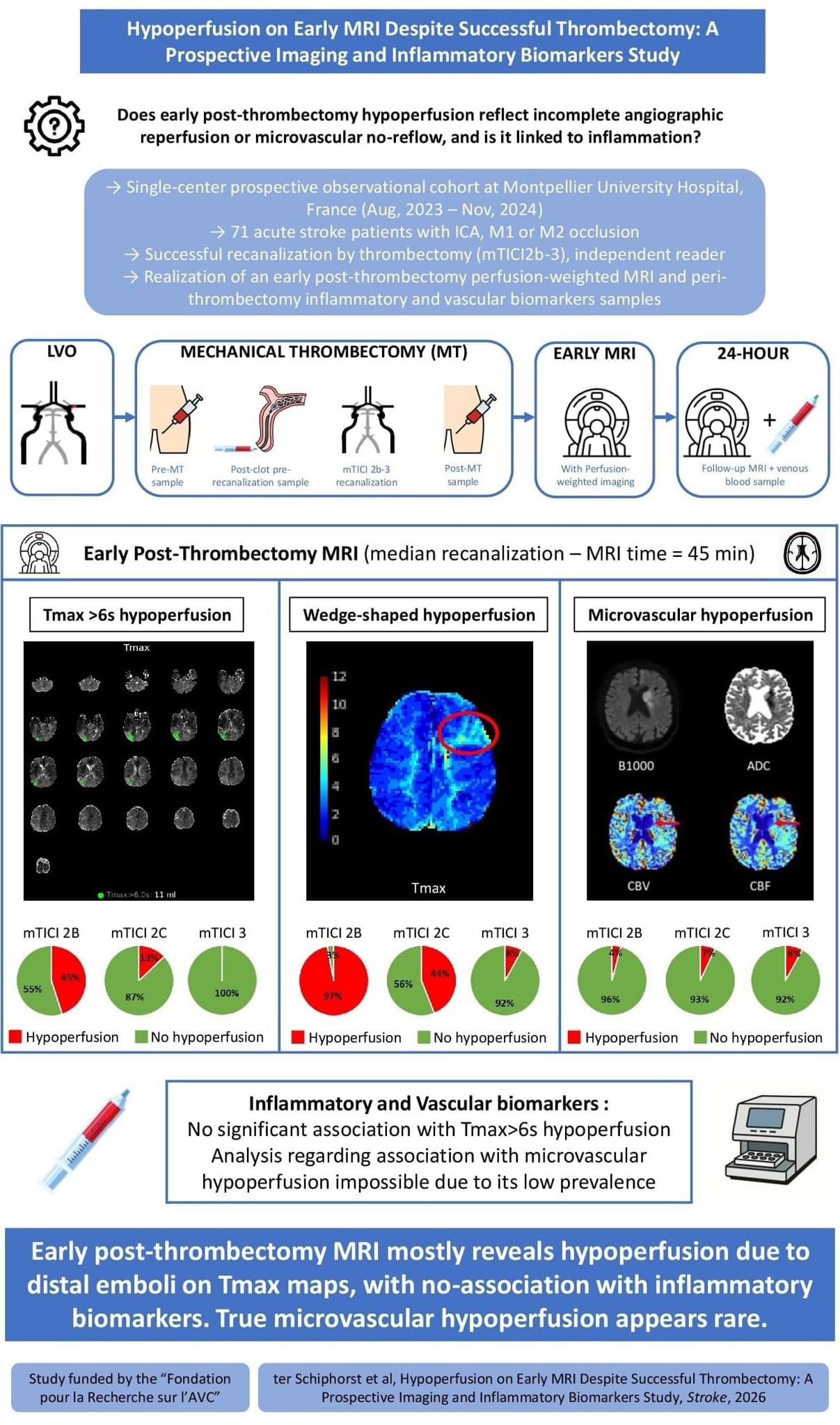
Hypoperfusion on Early MRI Despite Successful Thrombectomy: A Prospective Imaging and Inflammatory Biomarkers Study

ISC26 After successful EVT for stroke, early MRI shows residual hypoperfusion in a substantial subset of patients. Perfusion deficits mainly reflected distal emboli and were not associated with inflammatory biomarkers.


In acute ischemic stroke (AIS) due to large-vessel occlusion (LVO), endovascular treatment (EVT) achieves over 80% recanalization rates and improves functional outcomes.1 However, nearly half of recanalized patients fail to achieve functional independence,1 a phenomenon termed futile recanalization.2,3 Mechanisms of futile recanalization include early extensive infarct core—that is, tissue that is already irreversibly damaged at the time of reperfusion—as well as edema, hemorrhagic transformation, and no-reflow.3 The latter, defined as impaired capillary reperfusion despite angiographic success, has gained increasing attention.4–15

In experimental models, no-reflow occurs early after arterial reopening and is driven by multifactorial microvascular dysfunction.16–19 Reported mechanisms include astrocyte and endothelial swelling, pericyte contraction, leukocytes, platelets and erythrocytes aggregation, and the release of inflammatory mediators.20–24 Regarding the latter, cytokines and adhesion molecules have been implicated in its pathogenesis in preclinical studies.24 These findings have led to the hypothesis that inflammation may contribute to microvascular perfusion failure after EVT, potentially opening the door to targeted therapeutic interventions.20–24 However, this has never been systematically investigated in humans.

In clinical practice, persistent hypoperfusion on post-EVT computed tomography (CT) perfusion or magnetic resonance perfusion imaging is frequently interpreted as a radiological correlate of no-reflow.4–15 Yet this interpretation remains uncertain. First, no direct histological evidence of no-reflow has been demonstrated in human stroke to date. Second, most imaging-based studies on no-reflow have included patients with residual distal emboli,10,12,25 which cause residual hypoperfusion on a macrovascular level.26 Third, many studies did not exclude confounders, such as perfusion abnormalities caused by carotid stenosis, parenchymal hemorrhage, or reocclusion.14 These limitations may explain the wide variability in the reported prevalence of postthrombectomy hypoperfusion, from 0% to 80%.14,25.

Brain-inspired AI helps soft robot arms switch tasks and stay stable

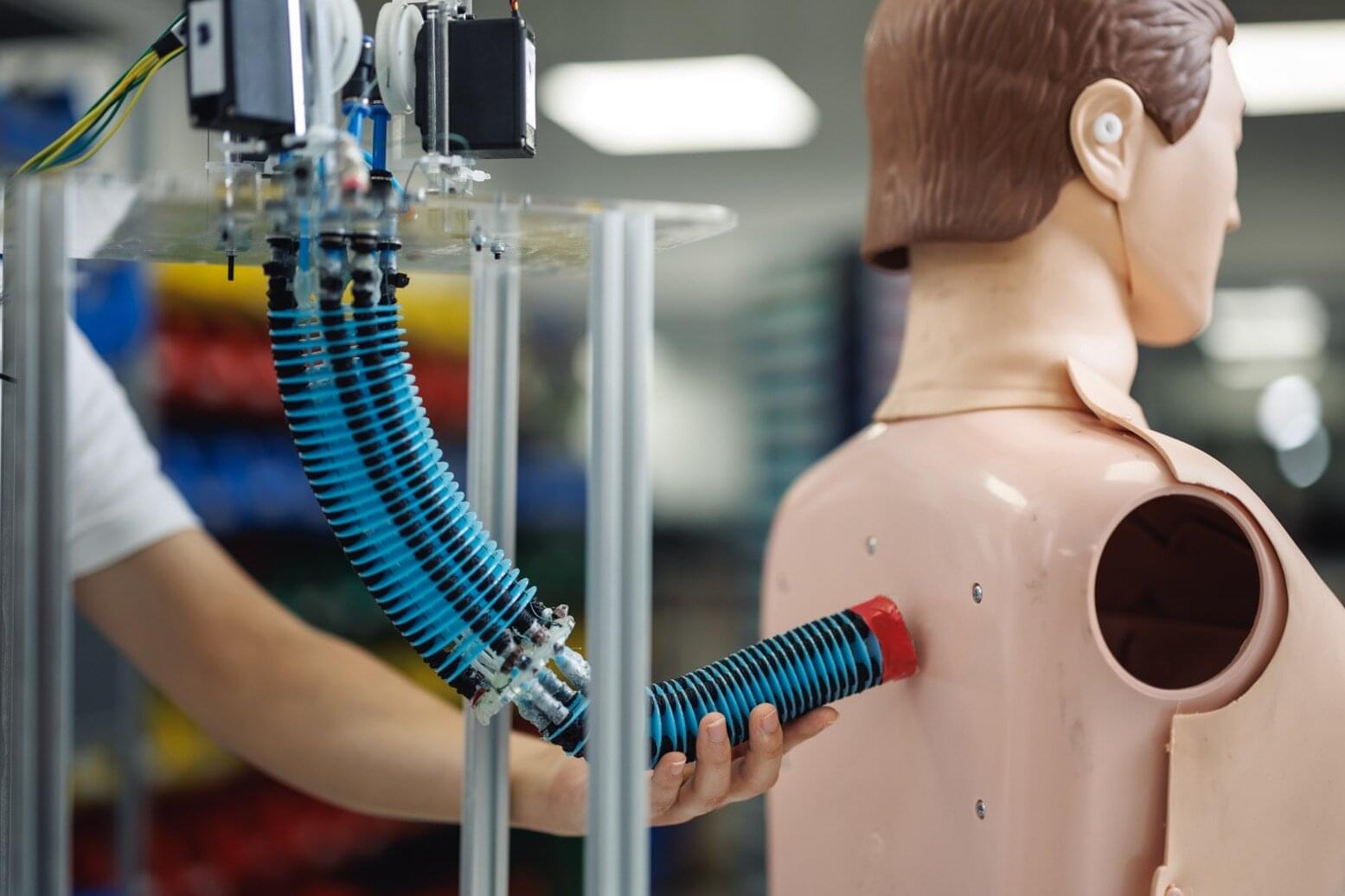
Researchers have developed an AI control system that enables soft robotic arms to learn a wide repertoire of motions and tasks once, then adjust to new scenarios on the fly without needing retraining or sacrificing functionality. This breakthrough brings soft robotics closer to human-like adaptability for real-world applications, such as in assistive robotics, rehabilitation robots, and wearable or medical soft robots, by making them more intelligent, versatile, and safe. The research team includes Singapore-MIT Alliance for Research and Technology’s (SMART) Mens, Manus & Machina (M3S) interdisciplinary research group, and National University of Singapore (NUS), alongside collaborators from Massachusetts Institute of Technology (MIT) and Nanyang Technological University (NTU Singapore).

Unlike regular robots that move using rigid motors and joints, soft robots are made from flexible materials such as soft rubber and move using special actuators—components that act like artificial muscles to produce physical motion. While their flexibility makes them ideal for delicate or adaptive tasks, controlling soft robots has always been a challenge because their shape changes in unpredictable ways. Real-world environments are often complicated and full of unexpected disturbances, and even small changes in conditions—like a shift in weight, a gust of wind, or a minor hardware fault—can throw off their movements.

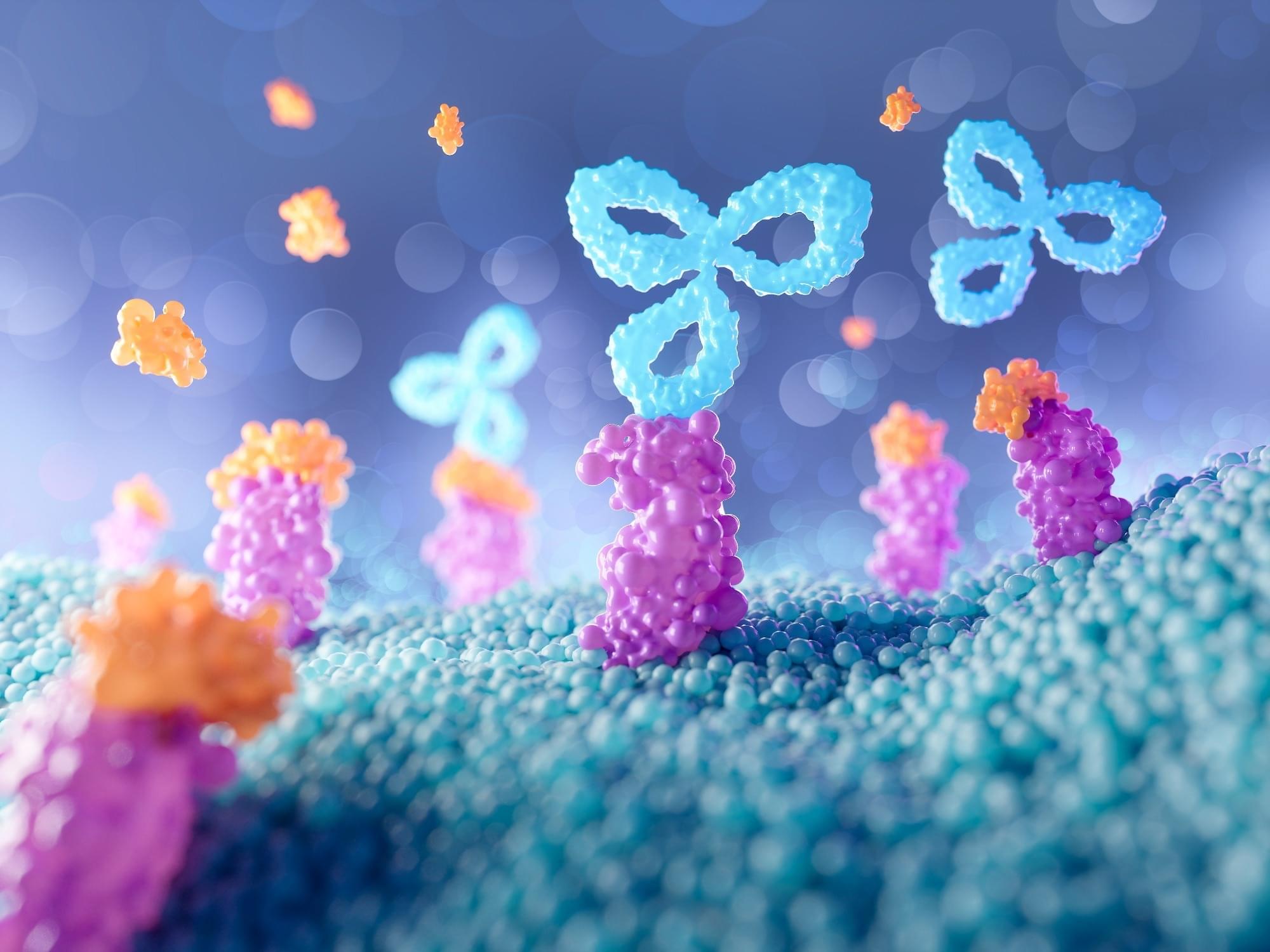
Phase 1 and preclinical studies reveal safety, pharmacokinetics, and efficacy of intranasal delivery of the influenza antibody CR9114

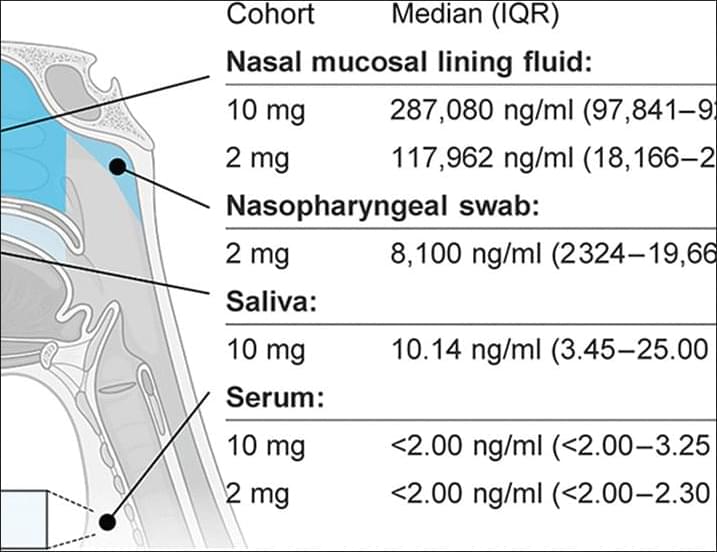
An intranasal flu antibody can protect against both influenza A and B in mice and nonhuman primates and is safe in humans, according to new preclinical experiments and two phase one clinical trials published in Science TranslationalMedicine.


Intranasal CR9114 is safe in humans, and twice-daily dosing confers protection against influenza virus challenge in macaques.

Drug dose monitoring with a DNA-based microneedle sensor

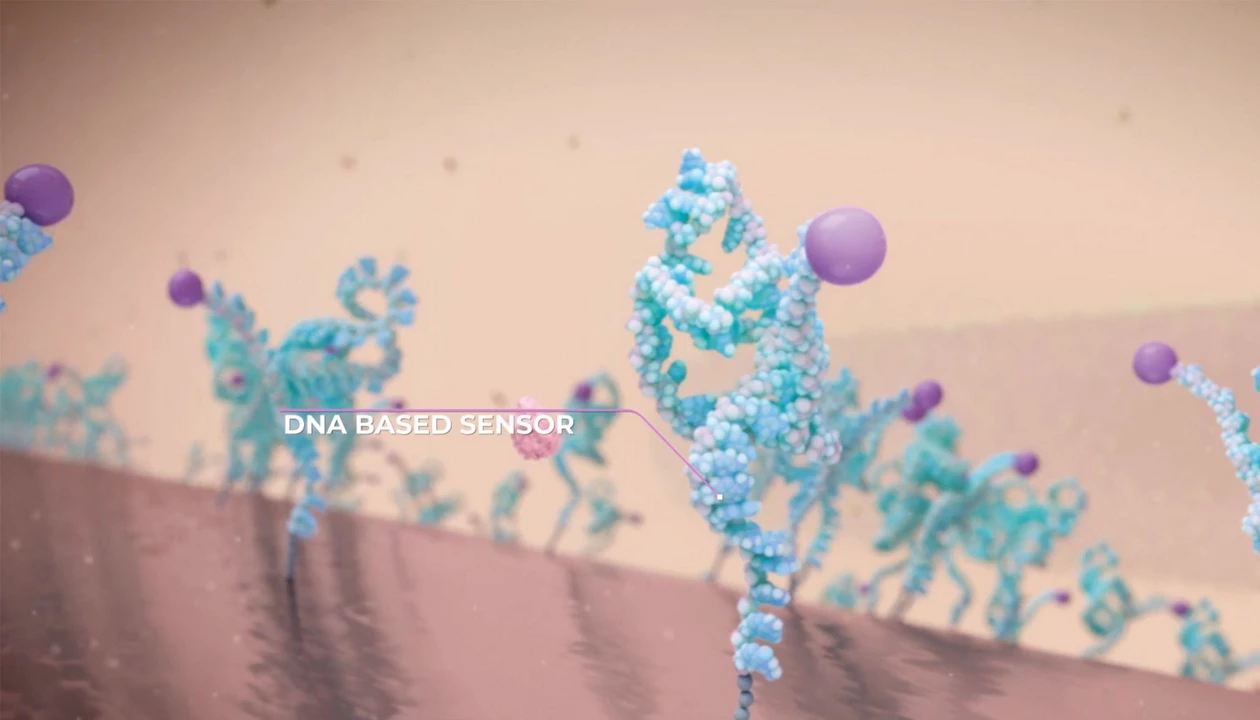
A wearable DNA-based sensor similar to a continuous glucose monitor can accurately and safely detect vancomycin concentrations in the body.


Aptamer-coated microneedle patch can detect amounts of the antibiotic vancomycin in real time for at least 12 hours by .

/* */