Toggle light / dark theme

Sensor-packed glove learns signatures of the human grasp

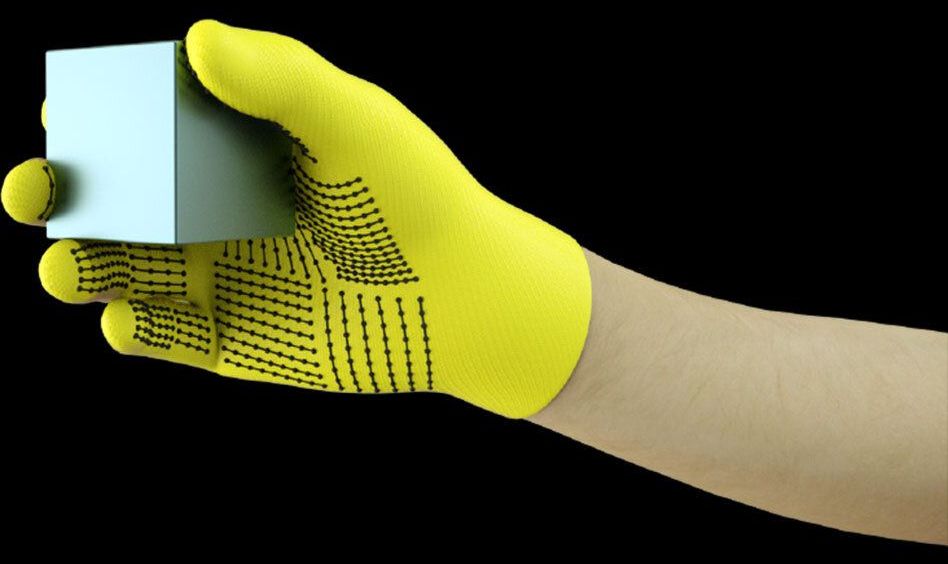
Wearing a sensor-packed glove while handling a variety of objects, MIT researchers have compiled a massive dataset that enables an AI system to recognize objects through touch alone. The information could be leveraged to help robots identify and manipulate objects, and may aid in prosthetics design.

The researchers developed a low-cost knitted glove, called “scalable tactile glove” (STAG), equipped with about 550 tiny sensors across nearly the entire hand. Each sensor captures pressure signals as humans interact with objects in various ways. A processes the signals to “learn” a dataset of pressure-signal patterns related to specific objects. Then, the system uses that dataset to classify the objects and predict their weights by feel alone, with no visual input needed.

In a paper published in Nature, the researchers describe a dataset they compiled using STAG for 26 common objects—including a soda can, scissors, tennis ball, spoon, pen, and mug. Using the dataset, the system predicted the objects’ identities with up to 76 percent accuracy. The system can also predict the correct weights of most objects within about 60 grams.

Read more

These Scientists Are 3D-Printing New Body Parts for Athletes

A team of bioengineers has successfully 3D-printed tissues they believe doctors could one day implant into patients to help heal the knee, ankle, and elbow injuries that have ended the careers of countless athletes.

“I think this will be a powerful tool to help people with common sports injuries,” Rice University researcher Sean Bittner said in a press release — though the impact of the group’s work could extend far beyond the turf or pitch.

Read more

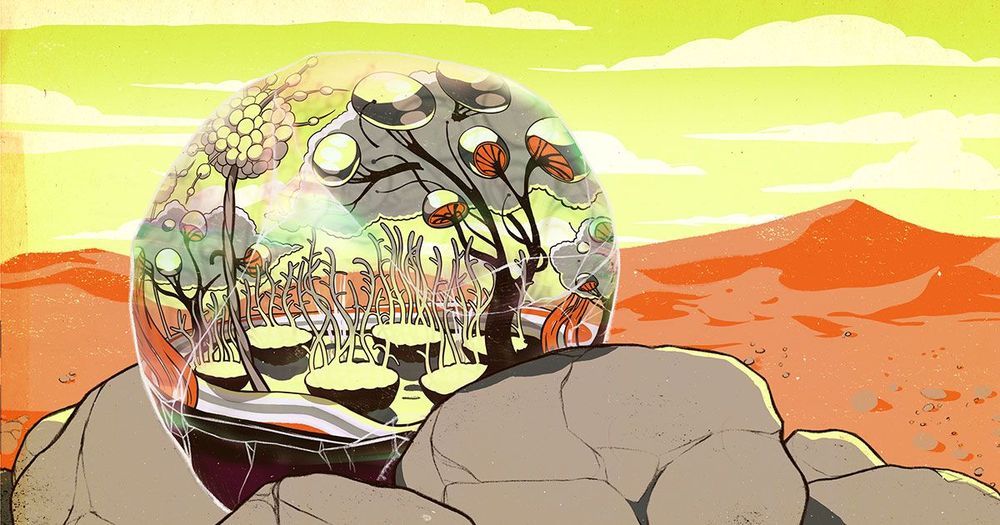
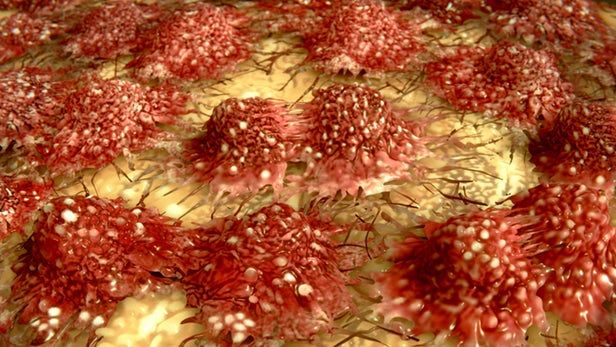
Scientists discover why a promising cancer drug failed in clinical trials – and how to fix it

As promising as some treatments are in lab tests, unfortunately they don’t always meet hopes when translated to the real world. Now, scientists at Whitehead Institute for Biomedical Research have investigated a class of cancer drugs that failed in human trials, and found out why. Better yet, they went on to identify another drug that could finally make the treatment work.

Read more

This Volkswagen Prototype Has a Holographic Interface

O.o!


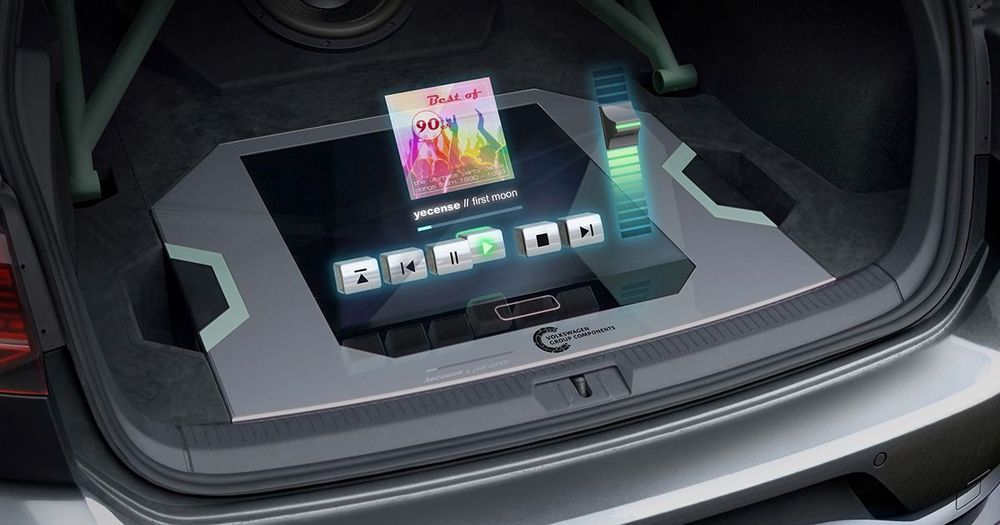
In what the German automaker is calling a “world premiere,” Volkswagen’s futuristic Golf GTI Aurora concept has a high-end sound system in its trunk that can be operated with a hologram.

You can leave your 3D glasses and augmented reality gloves at home: the hologram floats freely in the air and can be operated without any external aids. Though to be fair, VW is being very vague about the details of the technology behind the interface.

Floating Images

Scientists are only scratching the surface of creating 3D holograms that can be viewed from any angle. Current state holographic displays also tend to be extremely expensive and unwieldy.

Read more

Nanoparticles can aid in stroke therapy

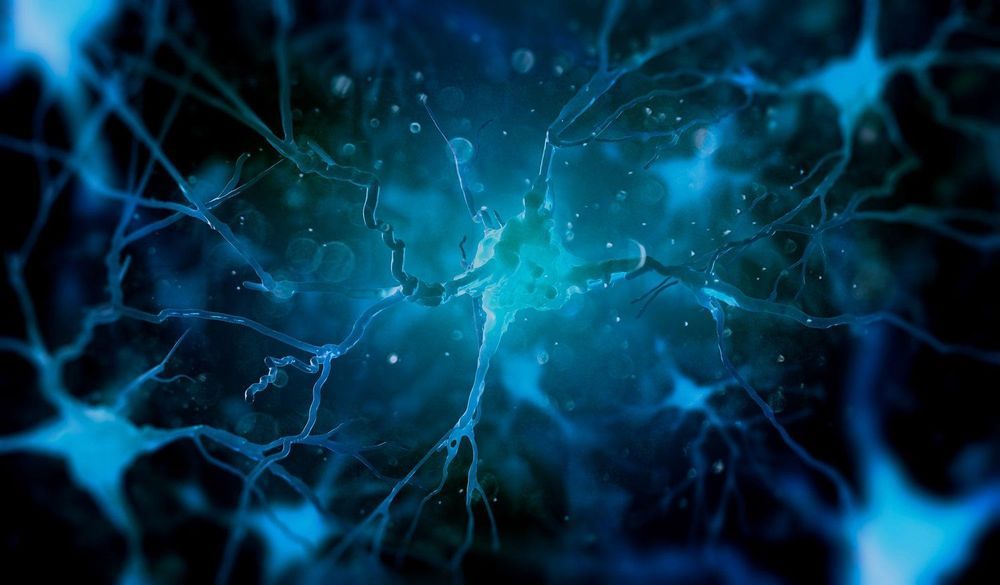
Tiny selenium particles could have a therapeutic effect on ischemic brain strokes by promoting the recovery of brain damage. Pharmacologists, including Alireza Mashaghi from the Leiden Academic Centre for Drug Research discovered that selenium nanoparticles inhibit molecular mechanisms that are responsible for the loss of brain cells after a stroke. The results were published in Nature Scientific Reports in April.

Nanoparticles against strokes

An ischemic stroke happens when a supplying blood vessel to the brain is narrowed or obstructed. As a result, the brain gets too little blood. “This lack of blood can lead to brain tissue damage due to cellular toxicity, inflammation and cell death,” Mashaghi explains. “This will, in turn, lead to brain dysfunction and neurological complaints such as numbness, vision problems, dizziness and severed headache.” Ischemic stroke accounts for 87% of all strokes and is a significant cause of death. “So far, no neuroprotective agents have been shown to produce any measurable improvement in health in cerebral stroke cases. Our results now demonstrated that selenium nanoparticles inhibit molecular mechanisms that are responsible for the loss of brain cells after a stroke.”

Read more

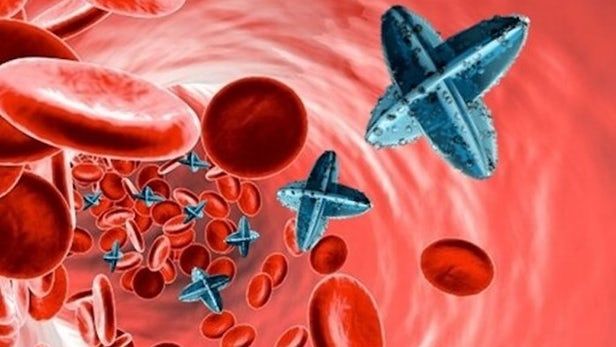
Self-powered micro-submarines sink and swim to deliver drugs in the body

It’s entirely possible that micro-machines could one day be delivering drugs inside the body, with many designs proposed in recent years. The latest comes from the University of New South Wales (UNSW), which gets around under its own power using a system similar to how submarines rise and sink.

Read more

Using Exosomes to Regenerate the Thymus

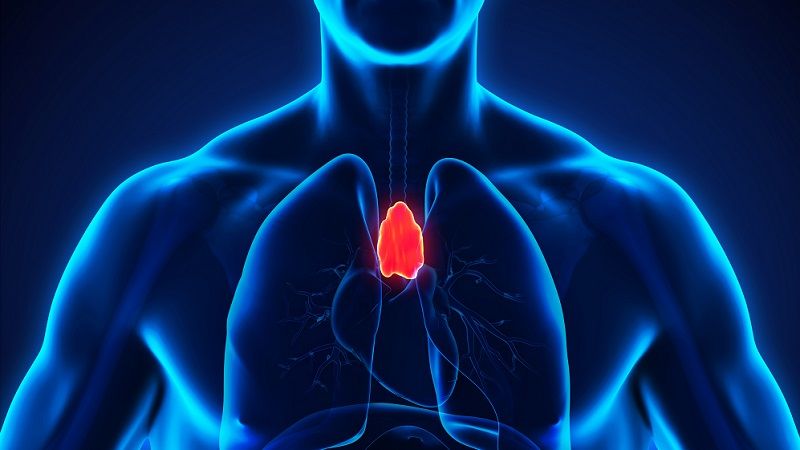
In a new study, researchers at the University of Pécs, Hungary used cell secretions known as exosomes to regenerate the thymus, one of the most important organs in the body.

The thymus shrinks as we age

The thymus is arguably one of the most critical organs in the body, and it is where new T cells develop before being trained in the lymph nodes in order to become the soldiers of the adaptive immune system. However, as we get older, the thymus starts to shrink, its ability to create new T cells declines, and the immune cell-producing tissue increasingly turns into fat and wastes away; this process is known as thymic involution.

Read more

I See You: the posthuman subject and spaces of virtuality – Rebecca Bishop

https://paper.li/e-1437691924


Everything is backwards now, like out there is the real world and this is the dream. (James Cameron’s Avatar, 2009)

Over recent years, considerable scholarly attention and mass media speculation has been paid to the emergence of the figure of the posthuman – a vision of augmented human that has undergone radical transformation as a result of new biotechnological and informatic technologies. This posthumanity lives simultaneously in the world of the virtual and the biological, cast concurrently as the future of a biomedically enhanced humanity and a figuration for overcoming the identity politics of the past. Some are arguing that we will eventually leave the human ‘as we know it’ behind, in a techno-modified, cognitively enhanced evolution, while in critical theory, the posthuman is being lauded as an ontology through which the boundary structures of the EuroWestern legacy of humanism can be dismantled.

Read more

/* */