Toggle light / dark theme

Hidden weakness makes prostate cancer self-destruct

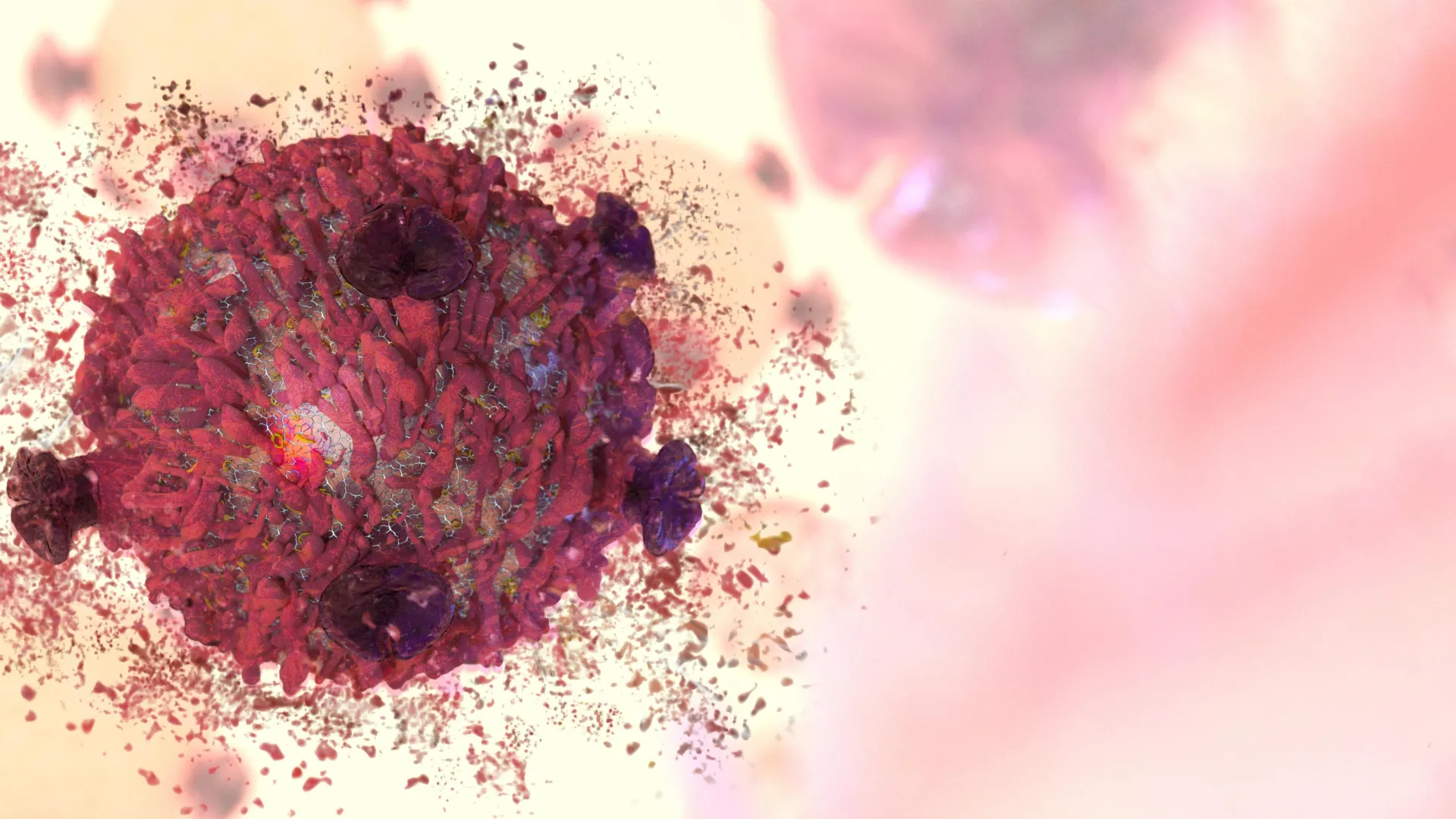
Scientists found a hidden flaw in prostate cancer’s survival system. Researchers have discovered that prostate cancer depends on two key enzymes, PDIA1 and PDIA5, to survive and resist therapy. When blocked, these enzymes cause the androgen receptor to collapse, killing cancer cells and enhancing the effects of drugs like enzalutamide. They also disrupt the cancer’s energy system, striking it on multiple fronts. This breakthrough could open a new path to overcoming drug $resistance in advanced prostate cancer.

An international team of researchers has identified a new weakness in prostate cancer cells that could lead to more effective treatments for one of the most common cancers among men.

The study, published in the Proceedings of the National Academy of Sciences (PNAS), was led by scientists from Flinders University in Australia and South China University of Technology. Their findings highlight two enzymes, PDIA1 and PDIA5, that play a key role in helping prostate cancer cells grow, survive, and resist existing treatments.
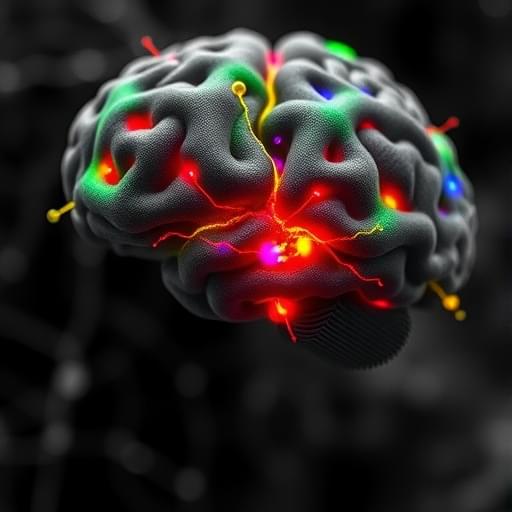

Preconfigured Neuronal Firing in Human Brain Organoids

In a groundbreaking study poised to reshape our understanding of brain development, researchers have unveiled the existence of preconfigured neuronal firing sequences within human brain organoids. These firing patterns, traditionally thought to arise from sensory experience and environmental stimuli, appear to be innately programmed during neurodevelopment, challenging long-held assumptions about the brain’s early information processing architecture. This revelation not only deepens our grasp of neuronal circuit formation but also elevates the value of brain organoids as faithful models for investigating the complexities of human neurobiology.

Neuronal firing sequences—the precise order and timing of action potentials within neural circuits—form the fundamental building blocks by which the brain encodes, processes, and transmits information. Until now, the developmental timeline and origins of these sequences remained largely unknown, with the prevailing hypothesis attributing their emergence to experience-dependent plasticity, shaped dynamically by sensory inputs during early life. However, the new findings presented by van der Molen et al. point to an alternative mechanism rooted in intrinsic developmental programs.

Human brain organoids, three-dimensional cellular models derived from pluripotent stem cells, have surged in popularity as cutting-edge platforms for modeling human brain development in vitro. By replicating key aspects of brain tissue organization and cellular diversity, these organoids serve as invaluable proxies for investigating neuronal circuit assembly under controlled conditions. Importantly, this study compared both unguided human brain organoids and those directed toward forebrain identity, alongside ex vivo slices from neonatal mouse somatosensory cortex, offering a robust cross-species and methodological validation of their observations.

Boosting one protein helps the brain protect itself from Alzheimer’s

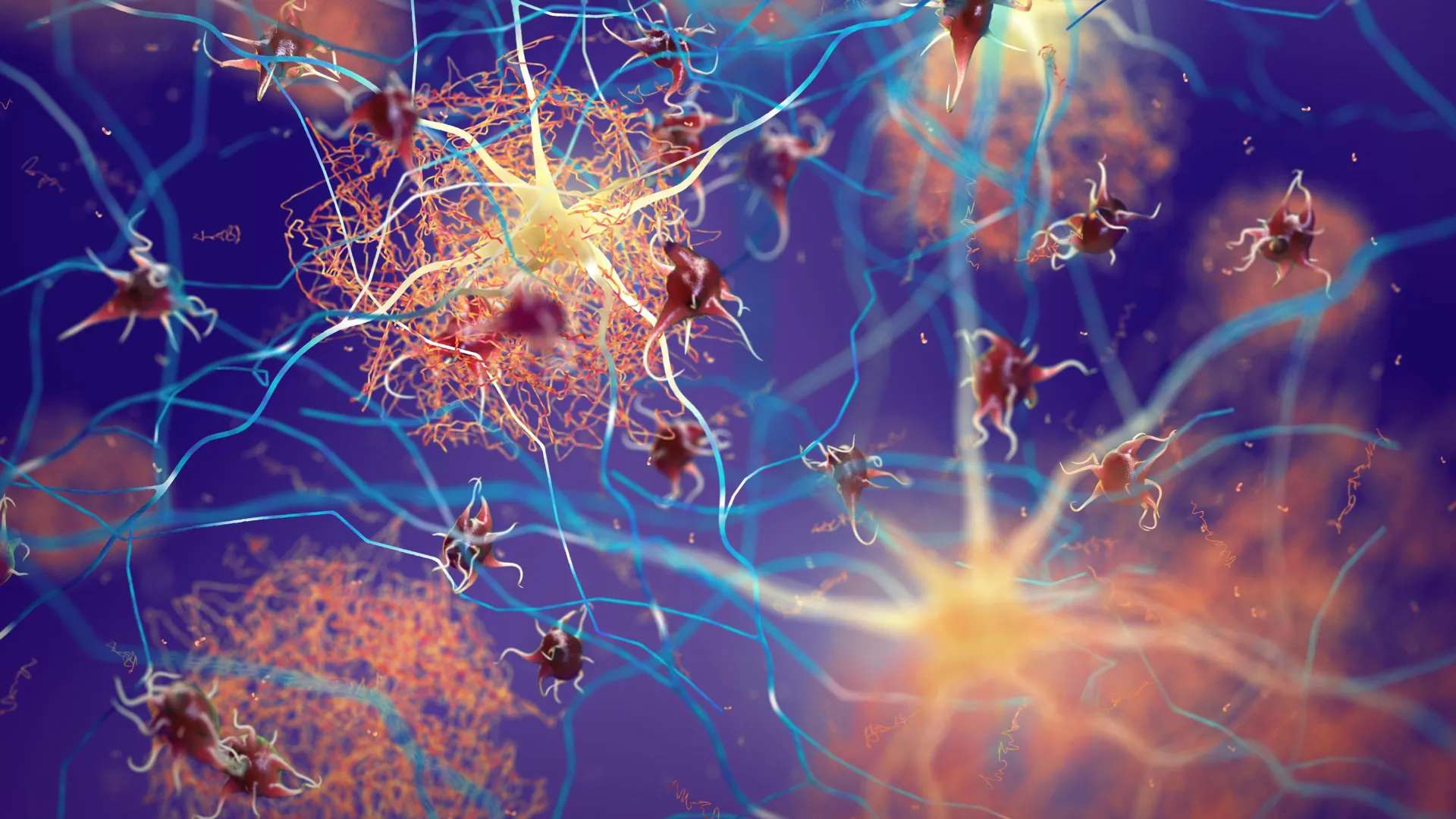
Researchers at Baylor College of Medicine have identified a natural process in the brain that can remove existing amyloid plaques in mouse models of Alzheimer’s disease while also helping preserve memory and thinking ability. This process relies on astrocytes, star shaped support cells, which can be guided to clear out the toxic plaque buildup commonly seen in Alzheimer’s. When the team increased the amount of Sox9, a protein that influences many astrocyte functions during aging, the cells became more effective at removing amyloid deposits. The findings, reported in Nature Neuroscience, suggest that strengthening astrocyte activity could one day help slow cognitive decline linked to neurodegenerative disorders.

“Astrocytes perform diverse tasks that are essential for normal brain function, including facilitating brain communications and memory storage. As the brain ages, astrocytes show profound functional alterations; however, the role these alterations play in aging and neurodegeneration is not yet understood,” said first author Dr. Dong-Joo Choi, who conducted this work while at the Center for Cell and Gene Therapy and the Department of Neurosurgery at Baylor. Choi is now an assistant professor at the Center for Neuroimmunology and Glial Biology, Institute of Molecular Medicine at the University of Texas Health Science Center at Houston.

What RSV Is and Why Immunization Matters

Respiratory syncytial virus (RSV) is a common virus that affects the breathing system and causes symptoms like runny nose, cough, and sore throat.

This JAMA Pediatrics Patient Page describes RSV in children and how to prevent its spread.


This JAMA Pediatrics Patient Page describes respiratory syncytial virus (RSV) in children and how to prevent its spread.

Rejuvenating the blood: New pharmacological strategy targets RhoA in hematopoietic stem cells

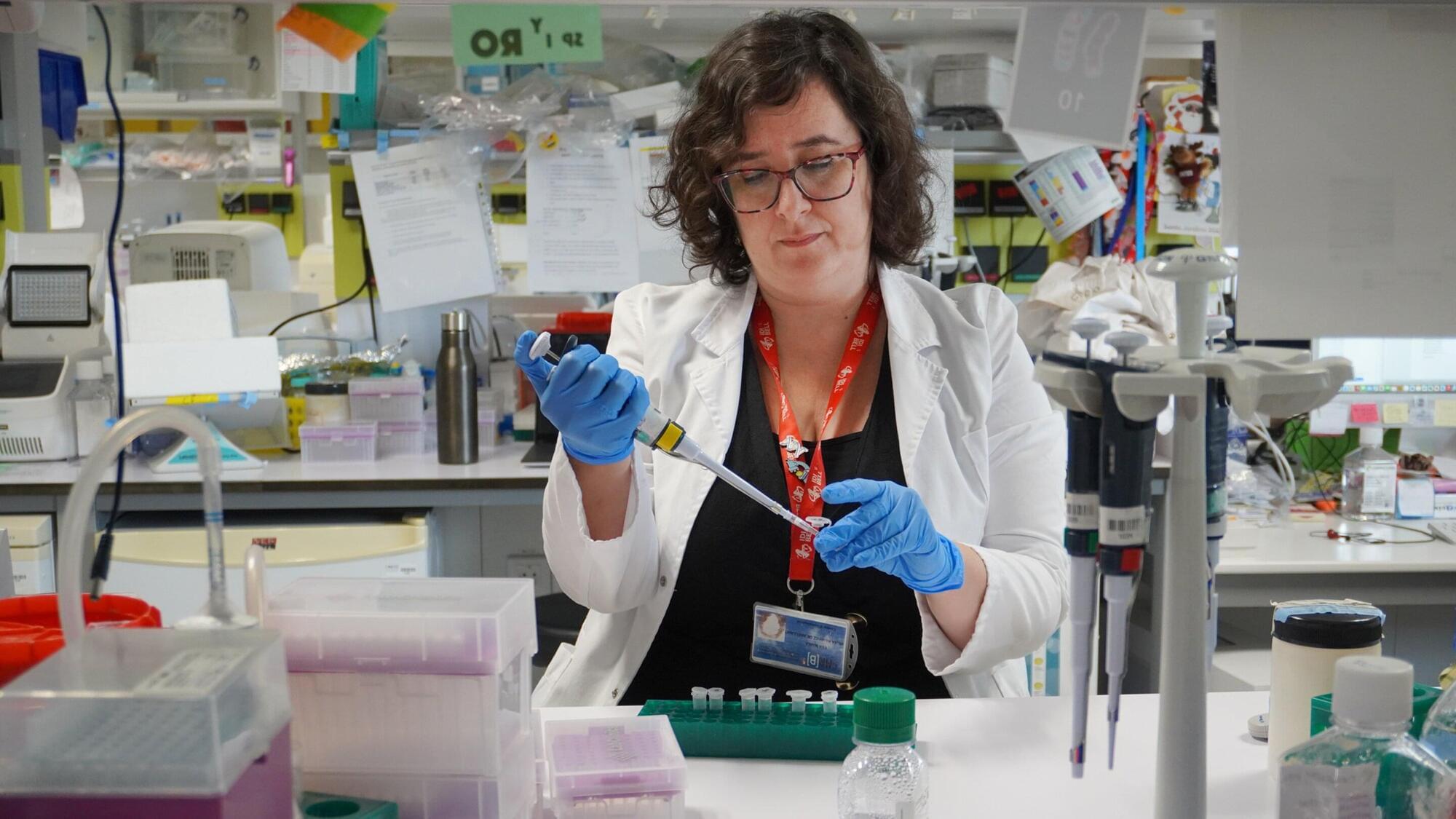
Aging is defined as the deterioration of function over time, and it is one of the main risk factors for numerous chronic diseases. Although aging is a complex phenomenon affecting the whole organism, it is proved that the solely manifestation of aging in the hematopoietic system affects the whole organism. Last September, Dr. M. Carolina Florian and her team revealed the significance of using blood stem cells to pharmacologically target aging of the whole body, thereby suggesting rejuvenating strategies that could extend healthspan and lifespan.

Now, in a Nature Aging, they propose rejuvenating aged blood stem cells by treating them with the drug Rhosin, a small molecule that inhibits RhoA, a protein that is highly activated in aged hematopoietic stem cells. This study combined in vivo and in vitro assays at IDIBELL together with innovative machine learning techniques by the Barcelona Institute for Global Health (ISGlobal), a center supported by the “la Caixa” Foundation, and the Barcelona Supercomputing Center.

AI learns from the tree of life to support rare disease diagnosis

Researchers have created an artificial intelligence model that can identify which mutations in human proteins are most likely to cause disease, even when those mutations have never been seen before in any person.

The model, called popEVE, was created using data from hundreds of thousands of different species and of genetic variation across the human population. The vast evolutionary record allows the tool to see which parts of every one of the roughly 20,000 human proteins are essential for life and which can tolerate change.

That allows popEVE to not only identify disease-causing mutations but also rank how severe they are across the body. The findings, published today in Nature Genetics by researchers at Harvard Medical School and the Center for Genomic Regulation (CRG) in Barcelona, could transform how doctors diagnose genetic disease.

Control of cell cycle transcription during G1 and S phases

The accurate transition from G1 phase of the cell cycle to S phase is crucial for the control of eukaryotic cell proliferation, and its misregulation promotes oncogenesis. During G1 phase, growth-dependent cyclin-dependent kinase (CDK) activity promotes DNA replication and initiates G1-to-S phase transition. CDK activation initiates a positive feedback loop that further increases CDK activity, and this commits the cell to division by inducing genome-wide transcriptional changes. G1–S transcripts encode proteins that regulate downstream cell cycle events. Recent work is beginning to reveal the complex molecular mechanisms that control the temporal order of transcriptional activation and inactivation, determine distinct functional subgroups of genes and link cell cycle-dependent transcription to DNA replication stress in yeast and mammals.

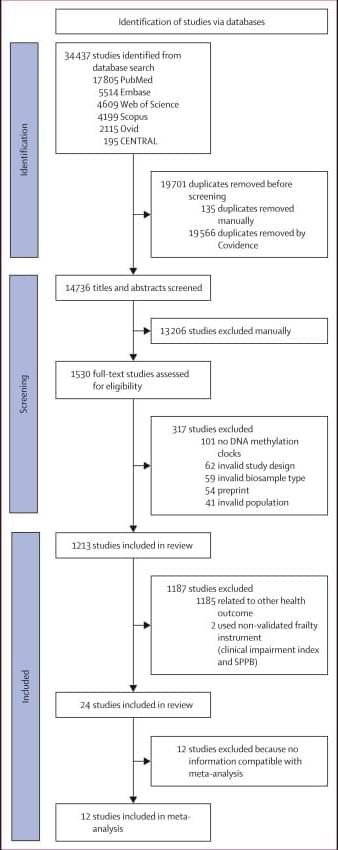
Biological age measured by DNA methylation clocks and frailty: a systematic review and meta-analysis

Higher GrimAge EAA is consistently associated with higher frailty. Future research should focus on developing and validating DNA methylation clocks that integrate molecular surrogates of health risk and are specifically trained to predict frailty in large, harmonised, longitudinal cohorts, enabling their translation into clinical practice.

Neuroscientist finds her brain shrinks while taking birth control

A researcher who completed numerous brain scans found that her cerebral cortex volume was 1% smaller while using hormonal contraceptives.

Read this article at.


A researcher who underwent dozens of brain scans discovered that the volume of her cerebral cortex was 1 per cent lower when she took hormonal contraceptives.

By Grace Wade

/* */