Toggle light / dark theme

Scientists Reprogram Immune Cells to Stop Autoimmune Attacks

When the immune system becomes unbalanced, it can lead to serious problems, such as type 1 diabetes, other autoimmune diseases, or organ rejection after a transplant. Current treatments often involve suppressing the entire immune system, which can cause severe side effects, including a higher risk of infections and other complications. A better approach would be to regulate the immune response in a precise and targeted way. That’s exactly what researchers have now achieved by engineering specialized immune cells designed to restore balance without compromising overall immunity.

Engineering Immune Cells to Protect Rather Than Attack

The immune system defends the body against viruses, bacteria, and other threats by identifying harmful invaders and mounting a response. It also distinguishes between the body’s own cells and foreign ones, adjusting its reaction as needed. However, when the immune system becomes dysregulated, it can mistakenly attack the body’s own tissues. This happens in conditions like type 1 diabetes, where the immune system destroys insulin-producing beta cells in the pancreas. It can also reject transplanted organs, treating them as foreign threats. While immunosuppressant drugs can prevent these harmful reactions, they come with serious risks, including increased vulnerability to infections and cancer.


Stanford engineers build a water-droplet based computer that runs like clockwork

Manu Prakash, an assistant professor of bioengineering at Stanford, and his students have developed a synchronous computer that operates using the unique physics of moving water droplets. Their goal is to design a new class of computers that can precisely control and manipulate physical matter. For more info: http://news.stanford.edu/news/2015/ju

Music: “Union Hall Melody” by Blue Dot Sessions.

MIT method enables ultrafast protein labeling of tens of millions of densely packed cells

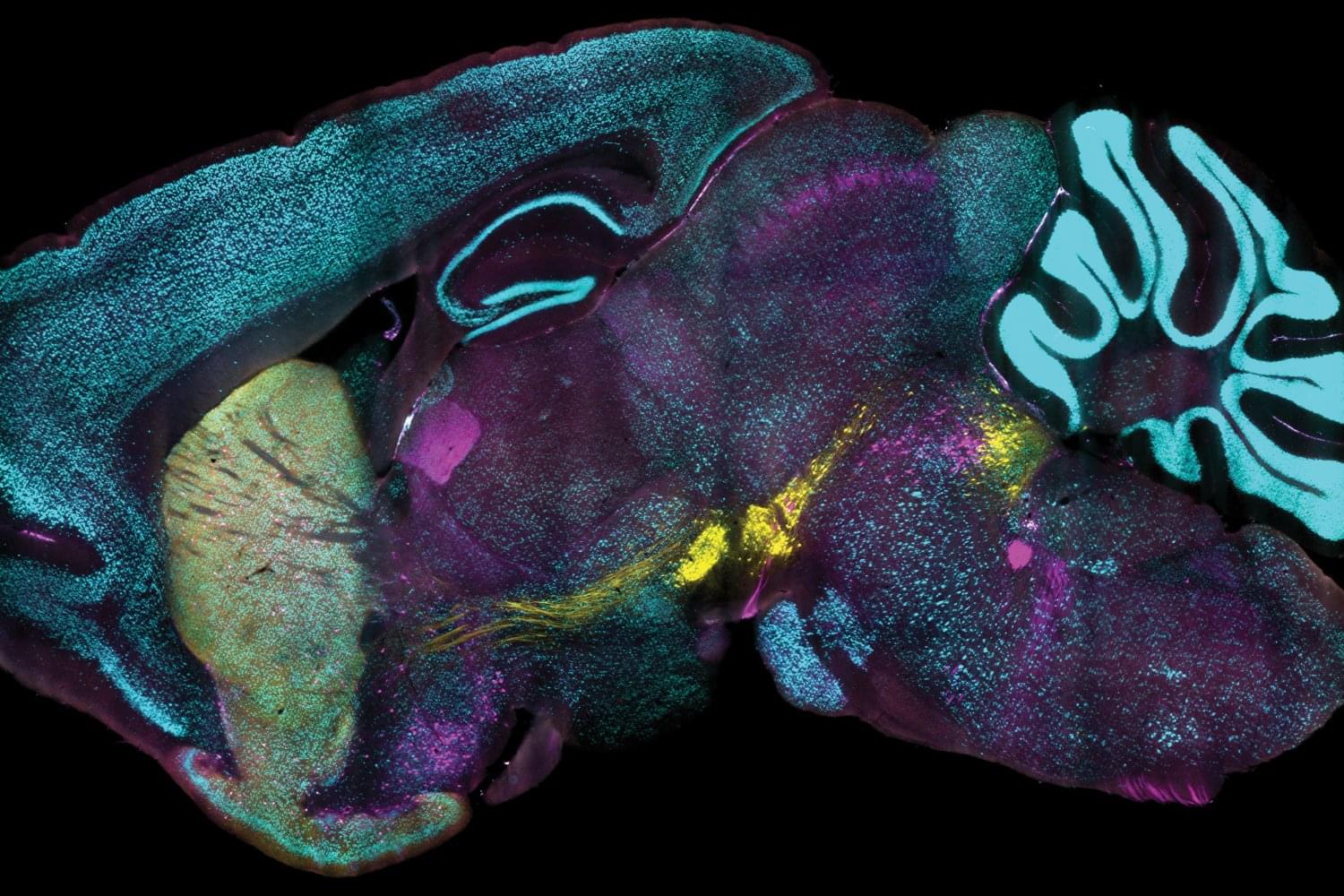
A new technology developed at MIT enables scientists to label proteins across millions of individual cells in fully intact 3D tissues with unprecedented speed, uniformity, and versatility. Using the technology, the team was able to richly label large tissue samples in a single day. In their new study in Nature Biotechnology, they also demonstrate that the ability to label proteins with antibodies at the single-cell level across large tissue samples can reveal insights left hidden by other widely used labeling methods.

Profiling the proteins that cells are making is a staple of studies in biology, neuroscience, and related fields because the proteins a cell is expressing at a given moment can reflect the functions the cell is trying to perform or its response to its circumstances, such as disease or treatment. As much as microscopy and labeling technologies have advanced, enabling innumerable discoveries, scientists have still lacked a reliable and practical way of tracking protein expression at the level of millions of densely packed individual cells in whole, 3D intact tissues. Often confined to thin tissue sections under slides, scientists therefore haven’t had tools to thoroughly appreciate cellular protein expression in the whole, connected systems in which it occurs.

“Conventionally, investigating the molecules within cells requires dissociating tissue into single cells or slicing it into thin sections, as light and chemicals required for analysis cannot penetrate deep into tissues. Our lab developed technologies such as CLARITY and SHIELD, which enable investigation of whole organs by rendering them transparent, but we now needed a way to chemically label whole organs to gain useful scientific insights,” says study senior author Kwanghun Chung, associate professor in The Picower Institute for Learning and Memory, the departments of Chemical Engineering and Brain and Cognitive Sciences, and the Institute for Medical Engineering and Science at MIT. “If cells within a tissue are not uniformly processed, they cannot be quantitatively compared. In conventional protein labeling, it can take weeks for these molecules to diffuse into intact organs, making uniform chemical processing of organ-scale tissues virtually impossible and extremely slow.”

Minecraft players can now explore whole cells and their contents

Scientists have translated nanoscale experimental and computational data into precise 3D representations of bacteria, yeast and human epithelial, breast and breast cancer cells in Minecraft, a video game that allows players to explore, build and manipulate structures in three dimensions.

The innovation will allow researchers and students of all ages to navigate biological cells, puncturing through the membranes of organelles to view their interiors or wandering across the cytoplasm to see how the various structures are distributed within the cell.

“CraftCells: A Window into Biological Cells” is the first broadly accessible tool allowing users to get an accurate picture of whole cells in 3D, said Zaida (Zan) Luthey-Schulten, a professor of chemistry and of physics at the University of Illinois Urbana-Champaign who led the work with Illinois bioengineering professors Stephen Boppart and Rohit Bhargava, graduate student Kevin Tan, postdoctoral researchers Zane Thornburg and Seth Kenkel, and study lead author Tianyu Wu, a biophysics graduate student at the U. of I.

Scientists recode the genome for programmable synthetic proteins

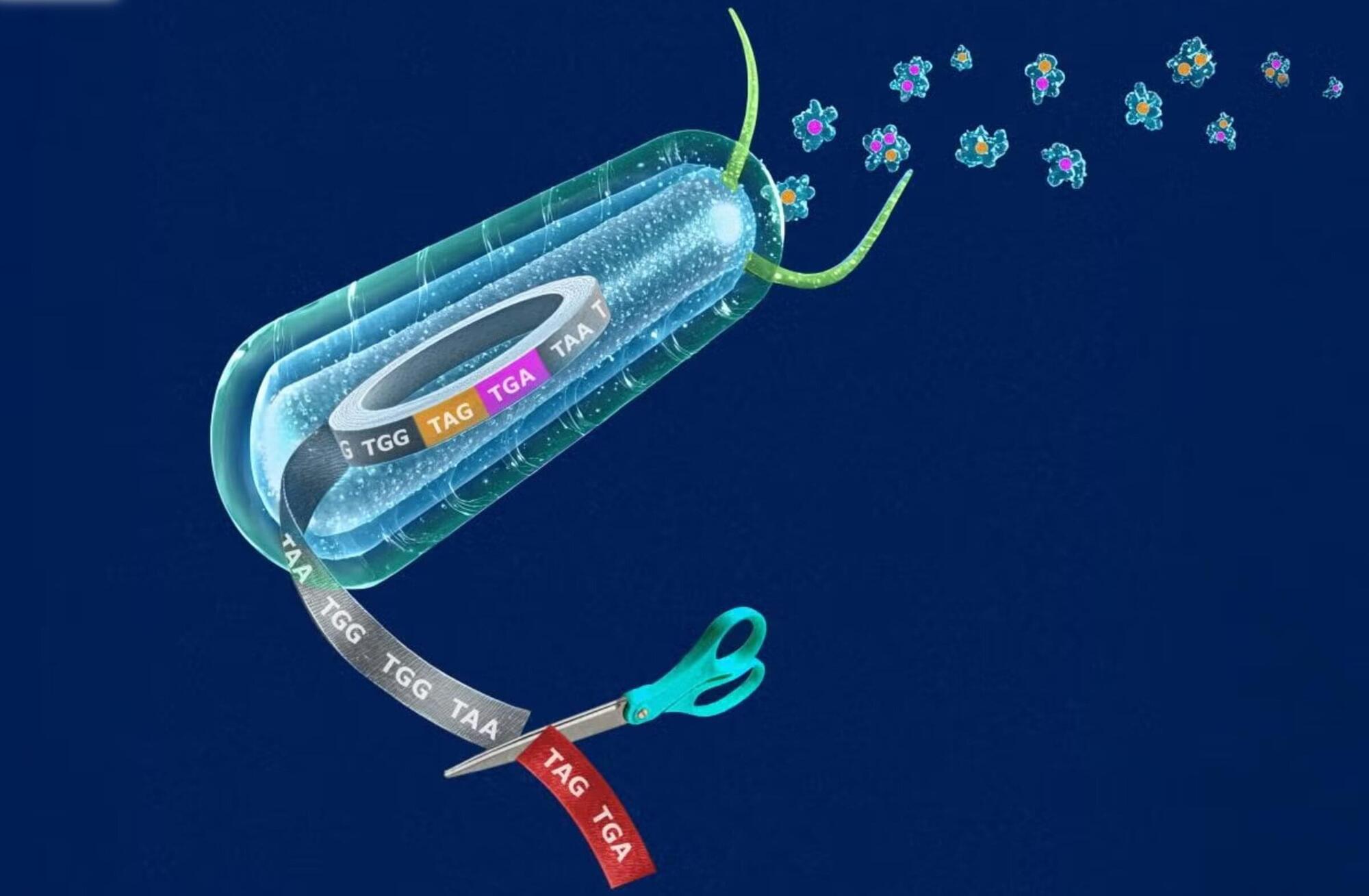
Synthetic biologists from Yale were able to re-write the genetic code of an organism—a novel genomically recoded organism (GRO) with one stop codon—using a cellular platform that they developed enabling the production of new classes of synthetic proteins. These synthetic proteins, researchers say, offer the promise of innumerable medical and industrial applications that can benefit society and human health.

The creation of the landmark GRO, known as “Ochre”—which fully compresses redundant, or “degenerate” codons, into a single codon—is described in a new study published in the journal Nature. A codon is a sequence of three nucleotides in DNA or RNA that codes for a specific amino acid, which serves as the biochemical building blocks for proteins.

“This research allows us to ask fundamental questions about the malleability of genetic codes,” said Farren Isaacs, professor of molecular, cellular and at Yale School of Medicine and of biomedical engineering at Yale’s Faculty of Arts and Sciences, who is co-senior author of the paper. “It also demonstrates the ability to engineer the genetic code to endow multi-functionality into proteins and usher in a new era of programmable biotherapeutics and biomaterials.”

/* */